SyriaVăn hóa · Tín ngưỡng · Lịch sử

Từ đau thương đến hy vọng

Syria: từ đau thương đến hy vọng

Câu chuyện về một dân tộc đã trải qua cách mạng, chiến tranh, tàn phá, đói khát, giá rét, giam cầm và ly tán – mà vẫn giữ vững hy vọng và sự sống.

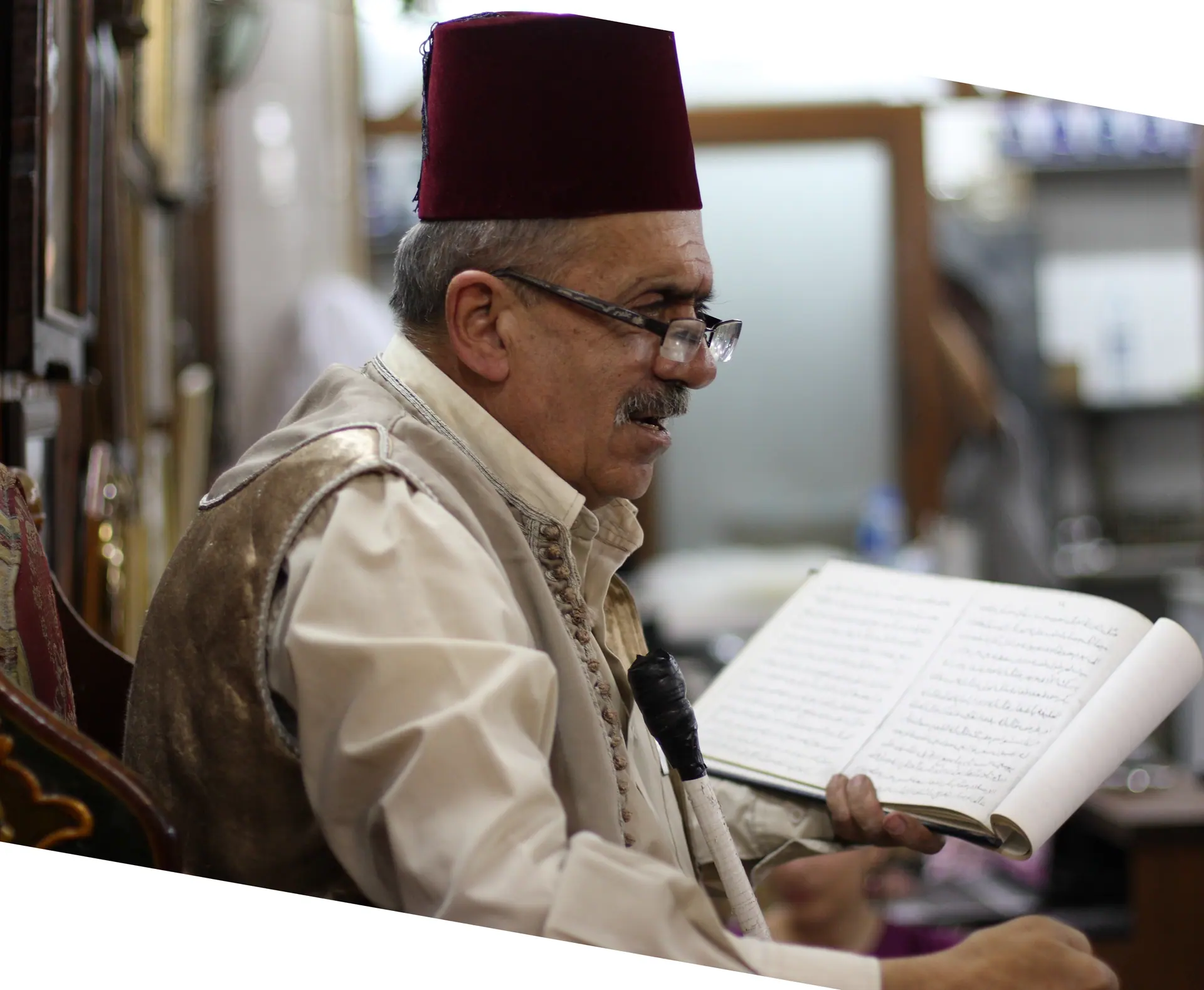
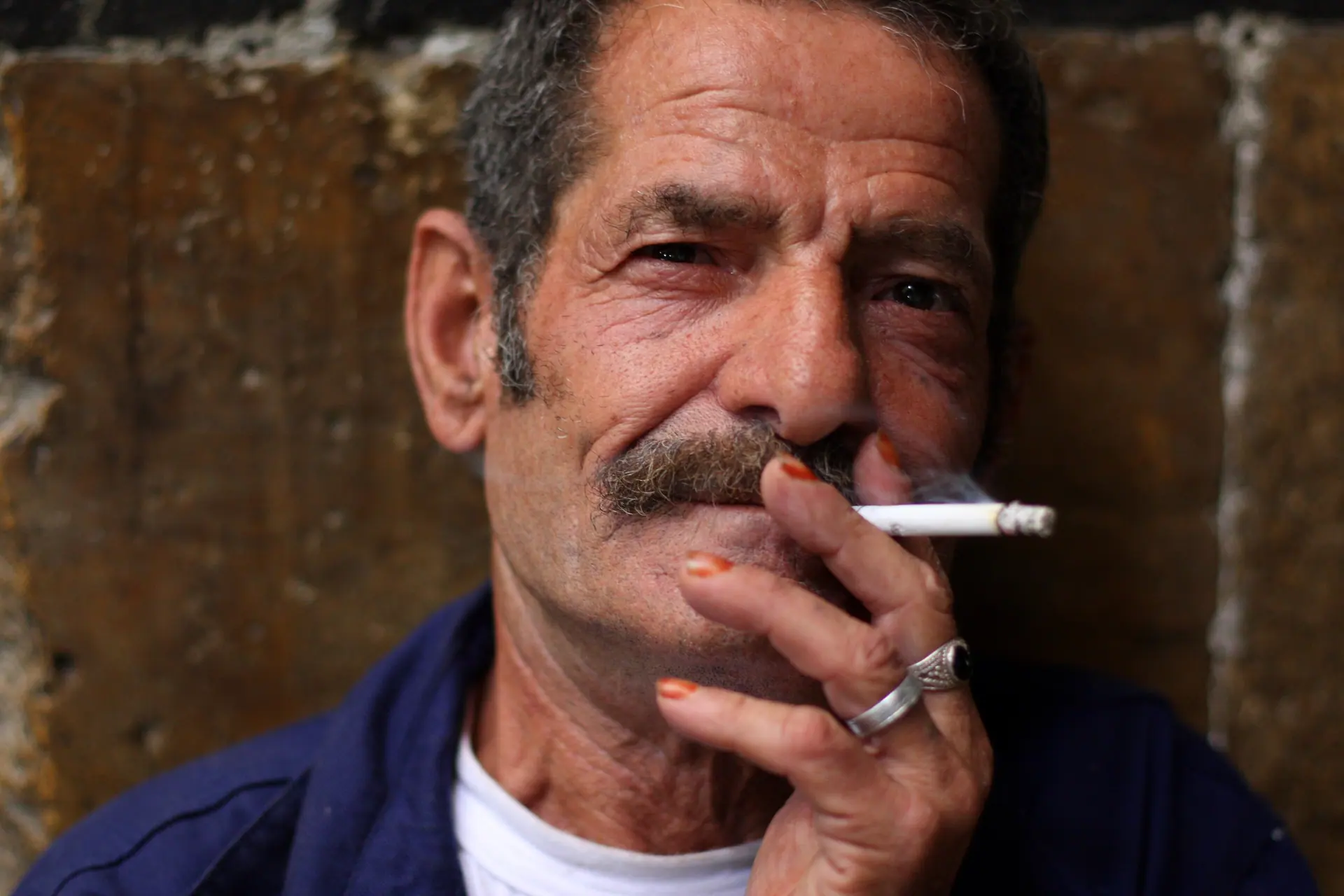
Damascus (an-Nawfara café), 2010-09-10 – Abu Shady, the last professional hakawati (storyteller) in Syria, at the an-Nawfara café, 2010
Damascus · 2010yeowatzup · CC BY 2.0 · Wikimedia Commons
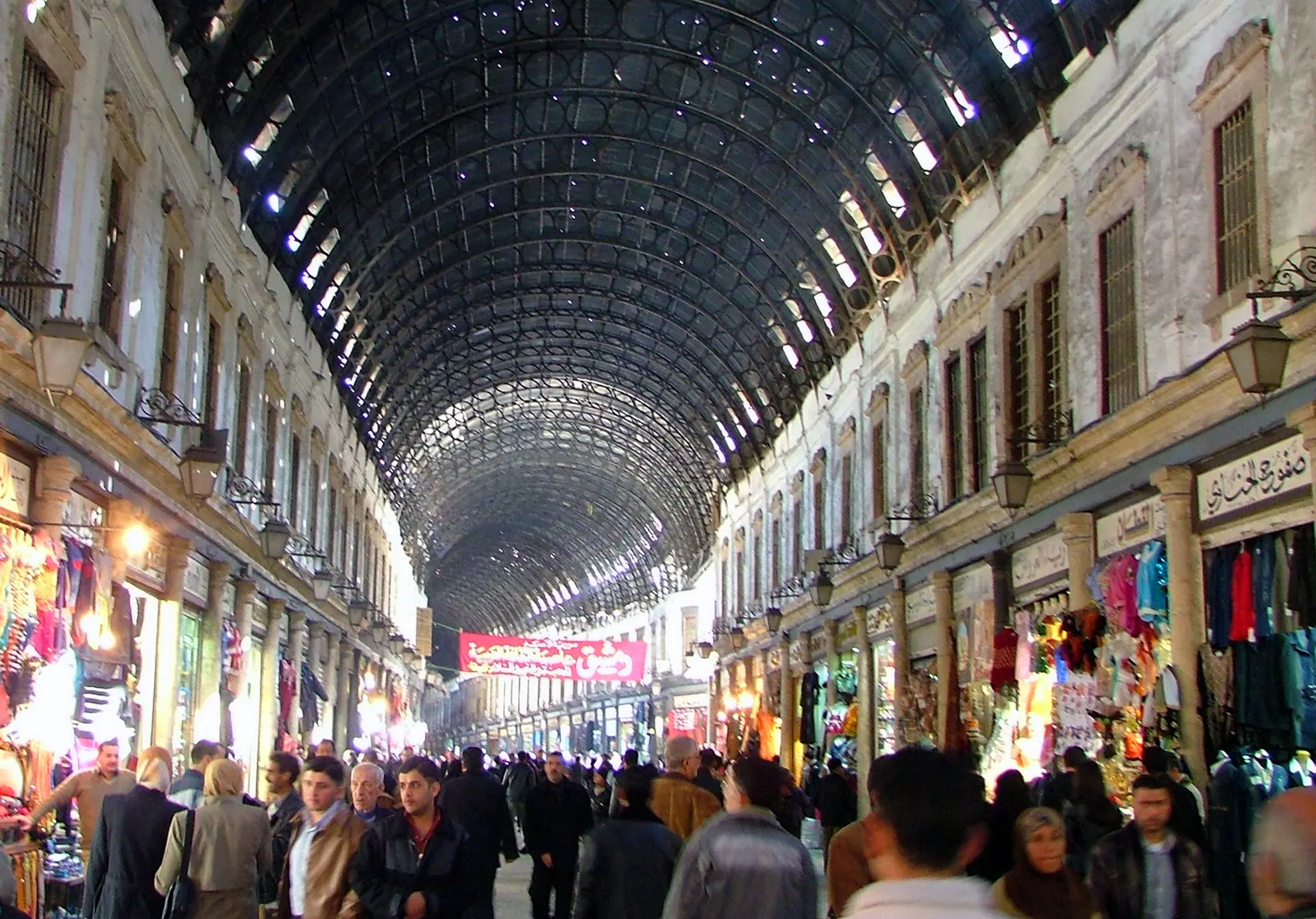
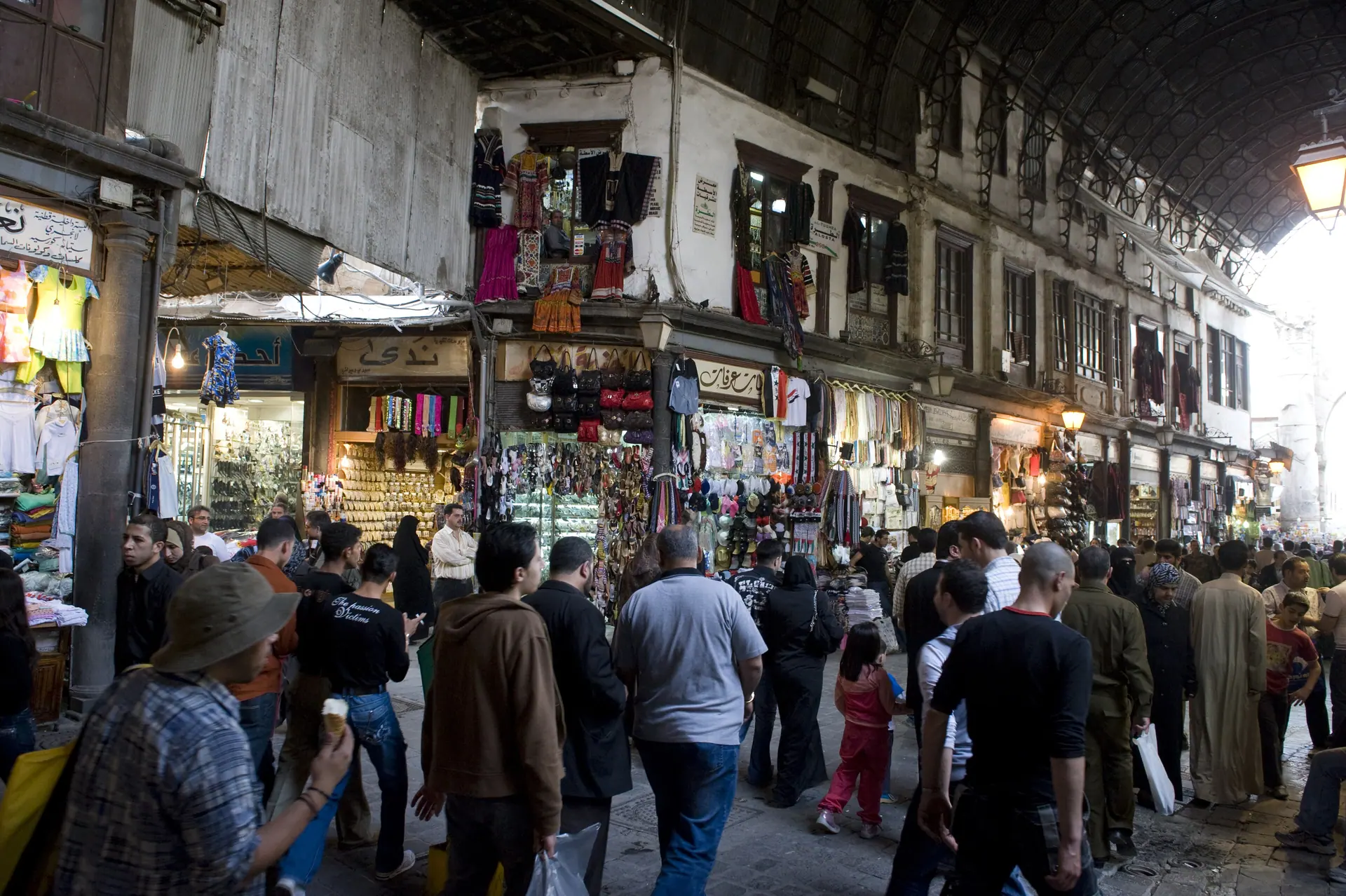
Damascus, 2008-02-07 – Al-Hamidiyah Souq is the largest and the most central souk in Damascus, Syria, located inside the old walled city next to the Citadel. The s
Damascus · 2008James Gordon from Los Angeles, California, USA · CC BY 2.0 · Wikimedia Commons
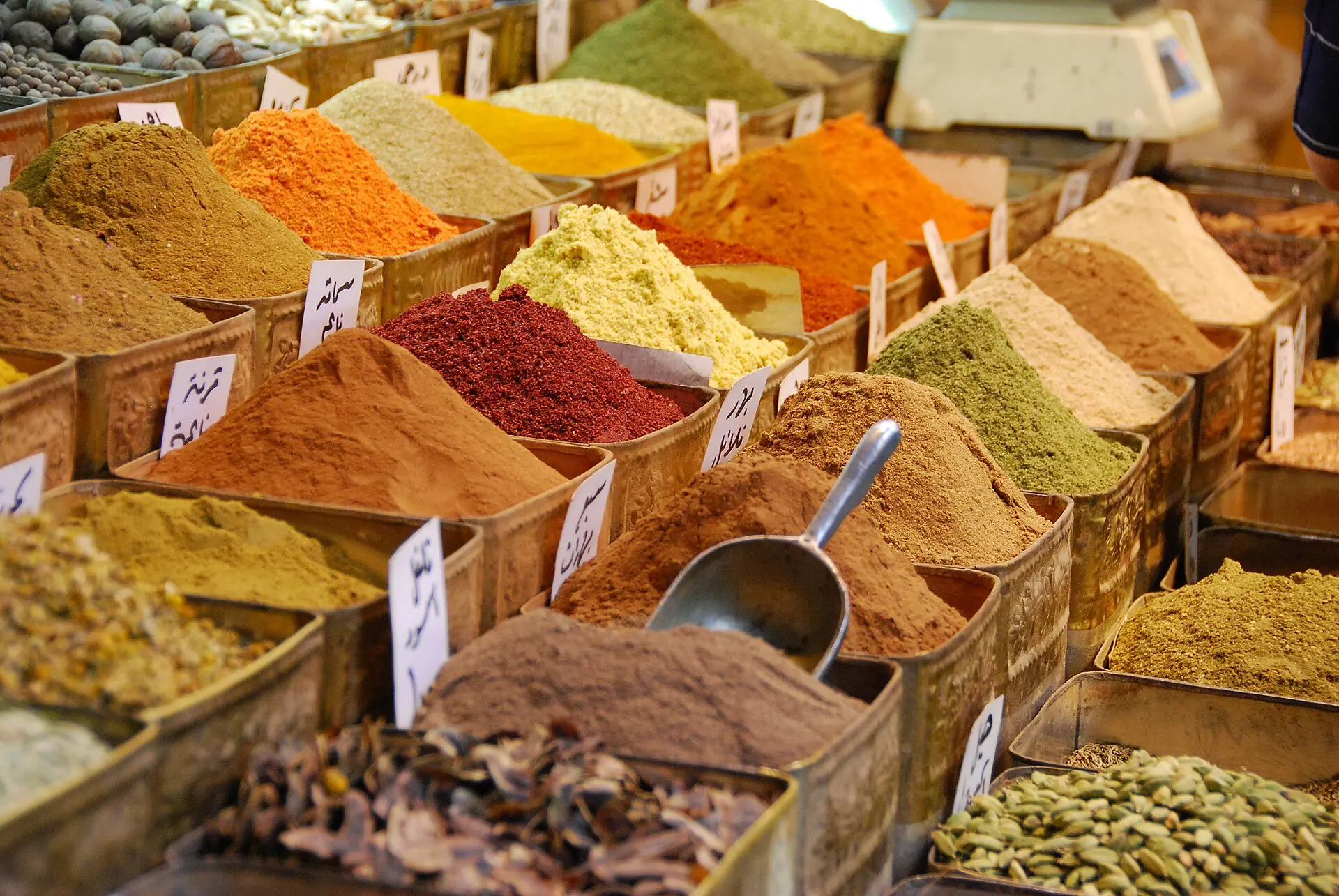
Damaskus, 2008-05-04 – Spice souq, Damascus, Syria
Damascus · 2008James Gordon from Los Angeles, California, USA · CC BY 2.0 · Wikimedia Commons
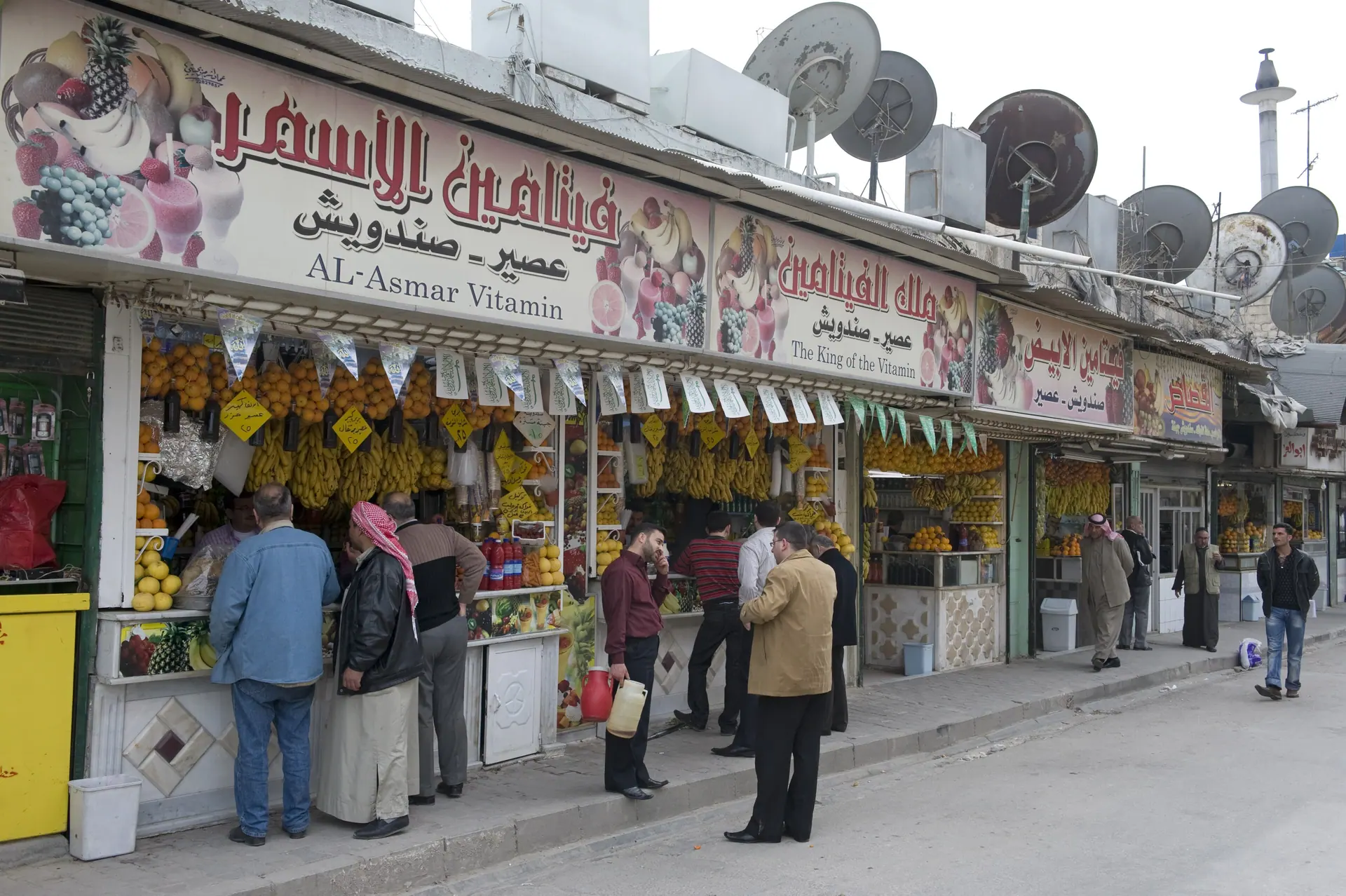
Aleppo, 2009-04-08 – Fresh fruit juice stall in Aleppo, 2009
Aleppo · 2009Dosseman · CC BY-SA 4.0 · Wikimedia Commons
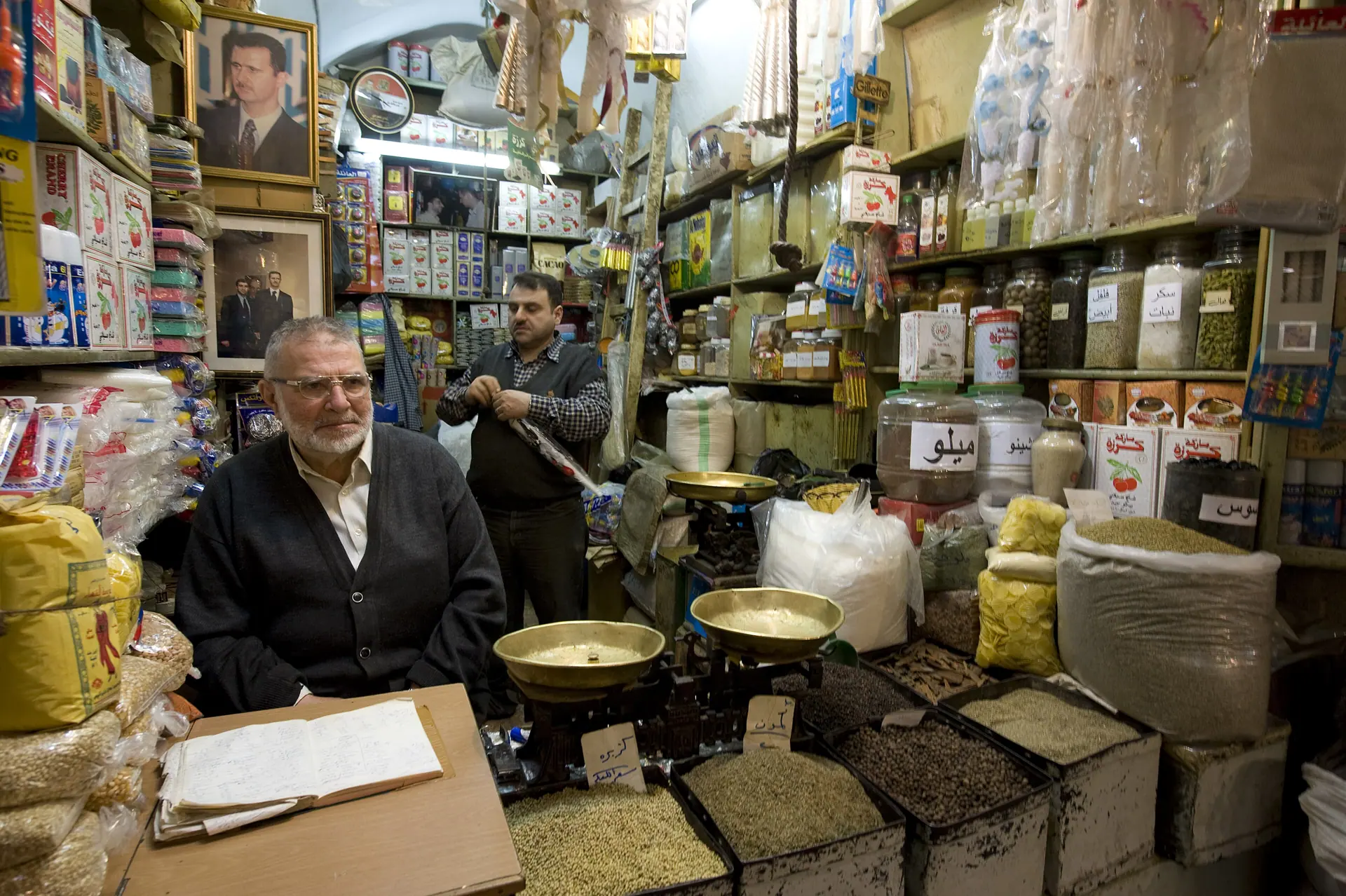
Aleppo, 2009-04-09 – Merchant in the souqs of Aleppo, 2009
Aleppo · 2009Dosseman · CC BY-SA 4.0 · Wikimedia Commons
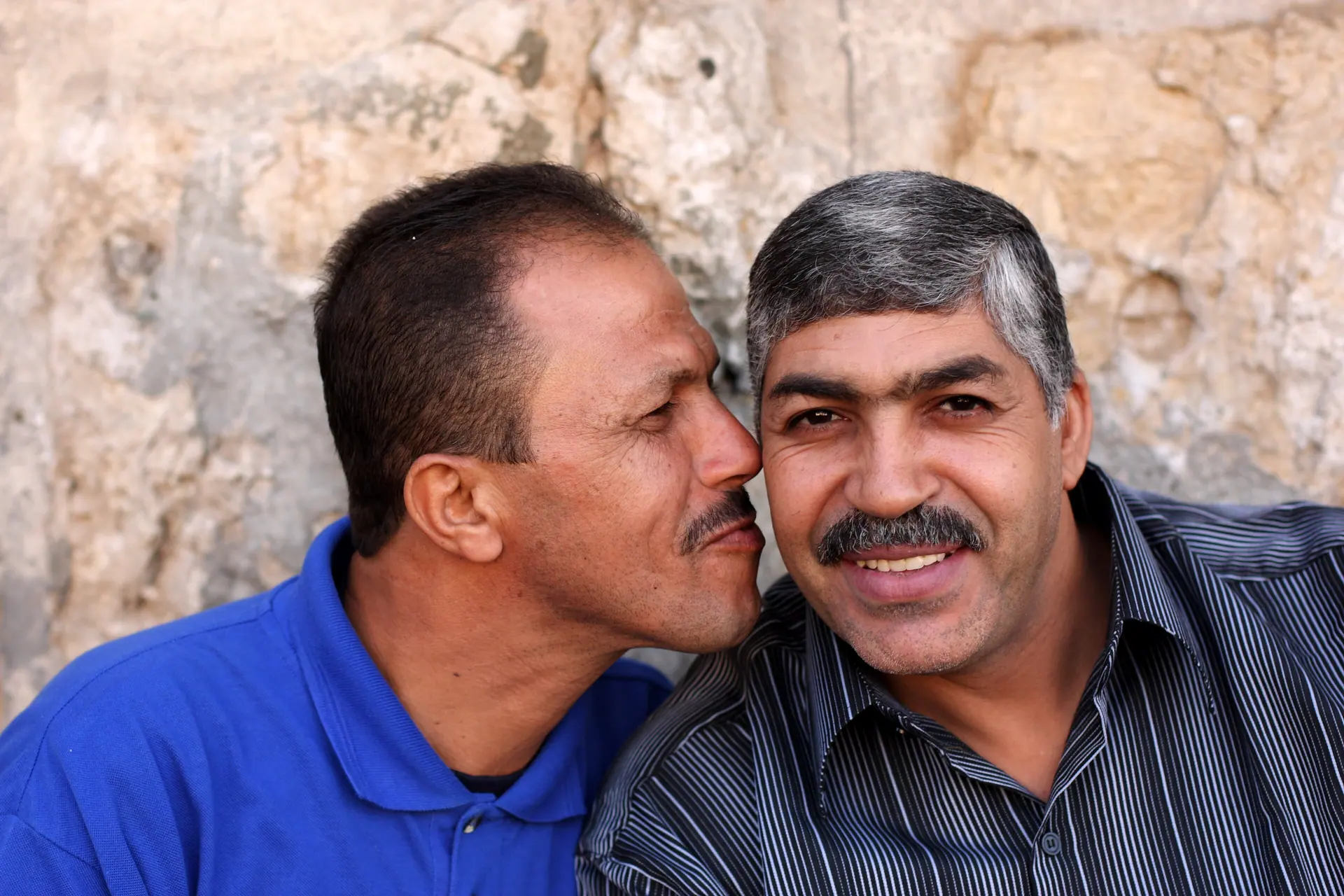
Damascus, 2010-09-11 – Friends in Damascus, 2010
Damascus · 2010yeowatzup · CC BY 2.0 · Wikimedia Commons
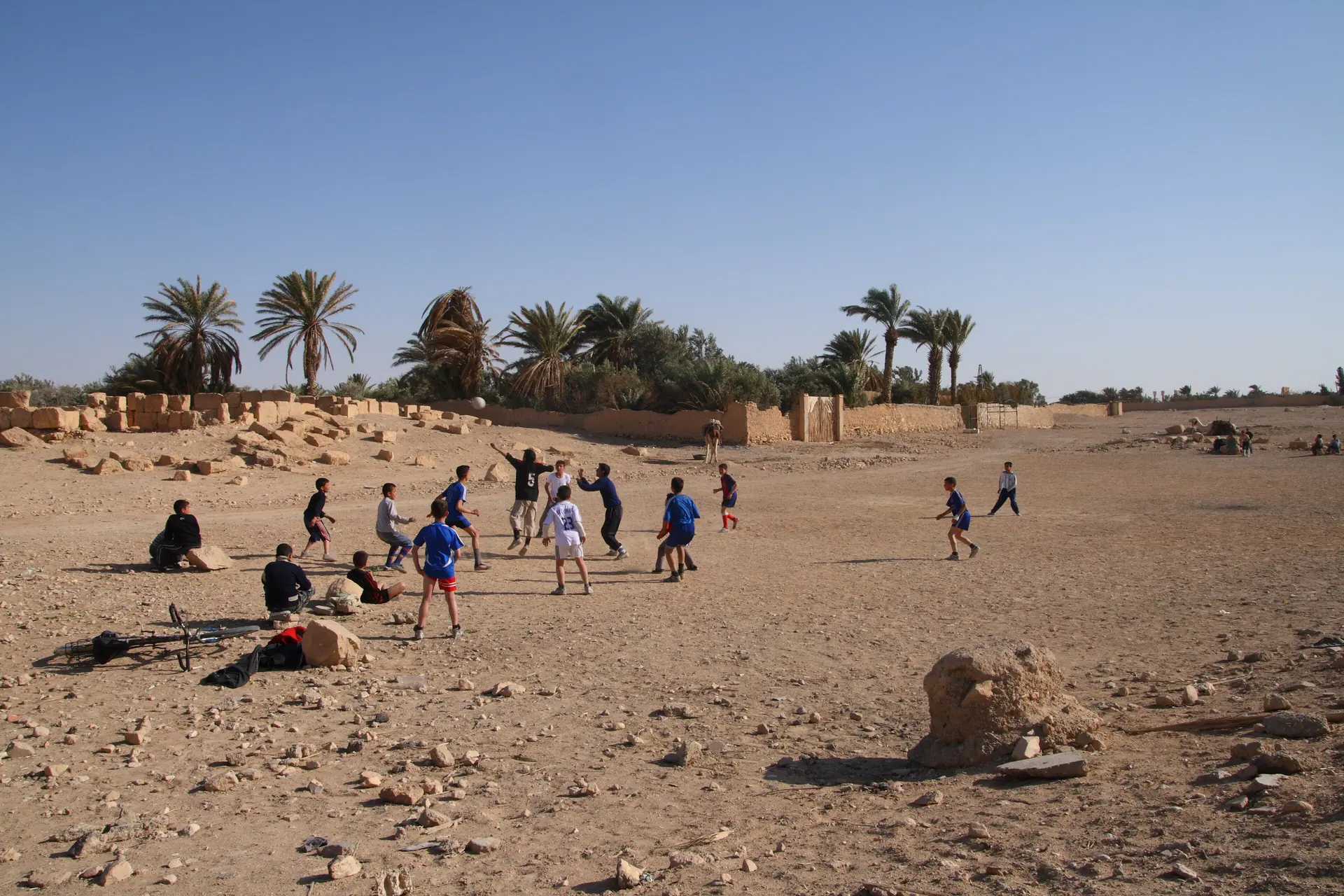
Palmyra, 2009-03-31 – Children playing football beside the ruins of Palmyra, 2009
Palmyra · Homs · 2009Ed Brambley from Cambridge, UK · CC BY-SA 2.0 · Wikimedia Commons
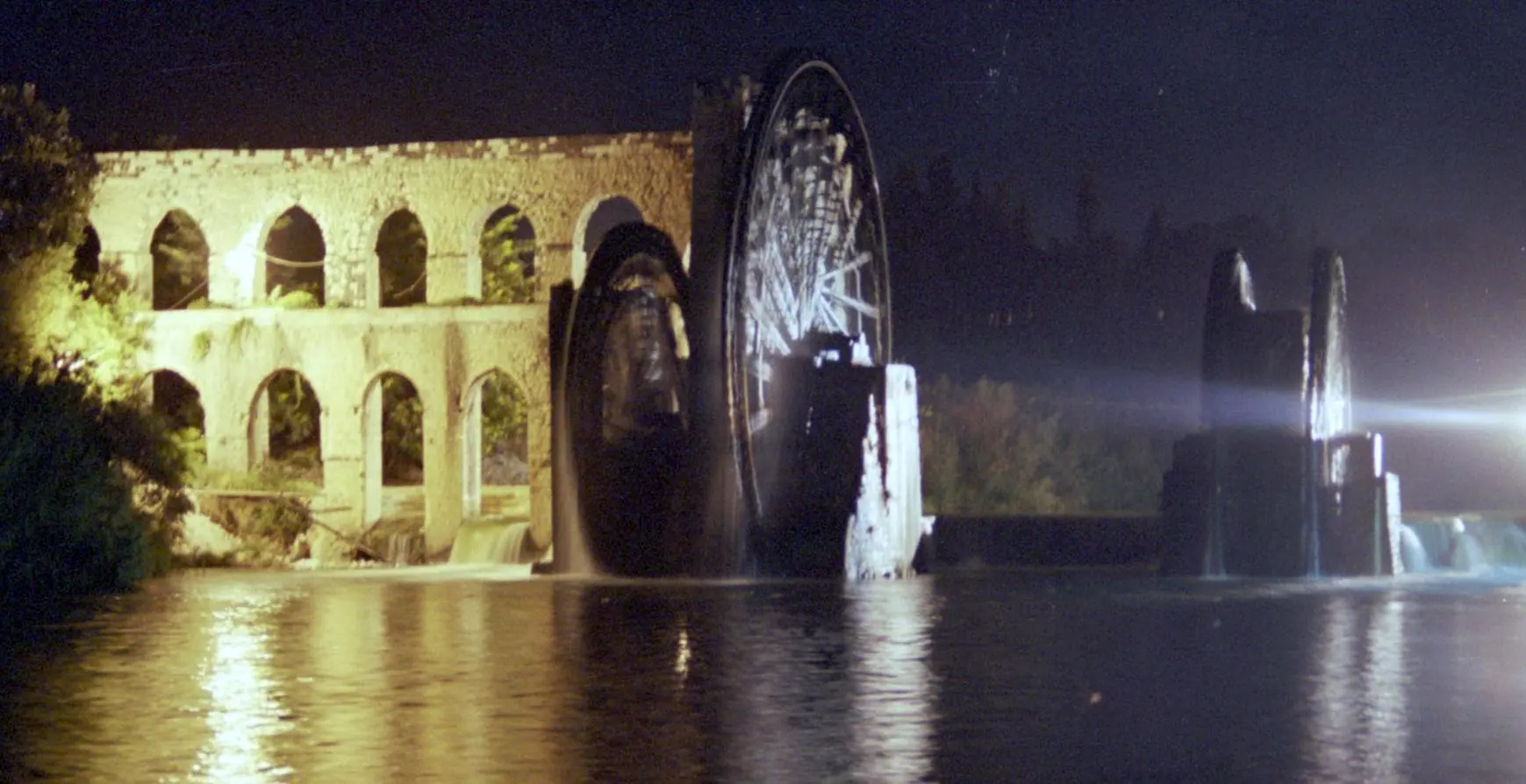
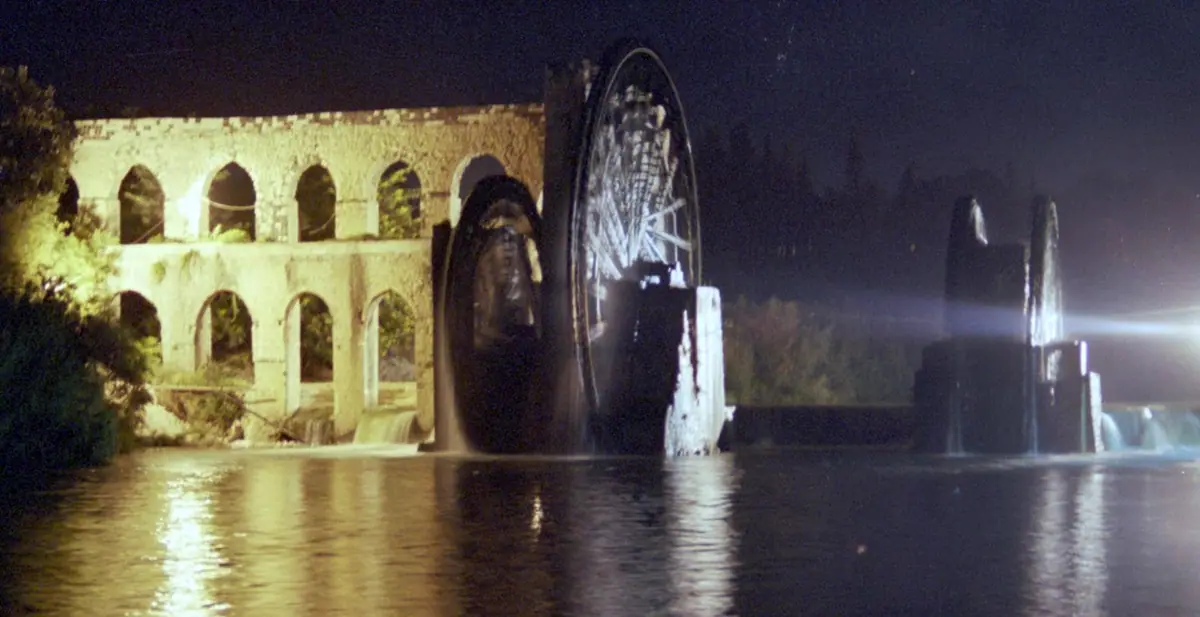
Hama, 2010-10-31 – The norias of Hama at night, 2010
Hama · 2010Fulvio's photos · CC BY-SA 2.0 · Wikimedia Commons
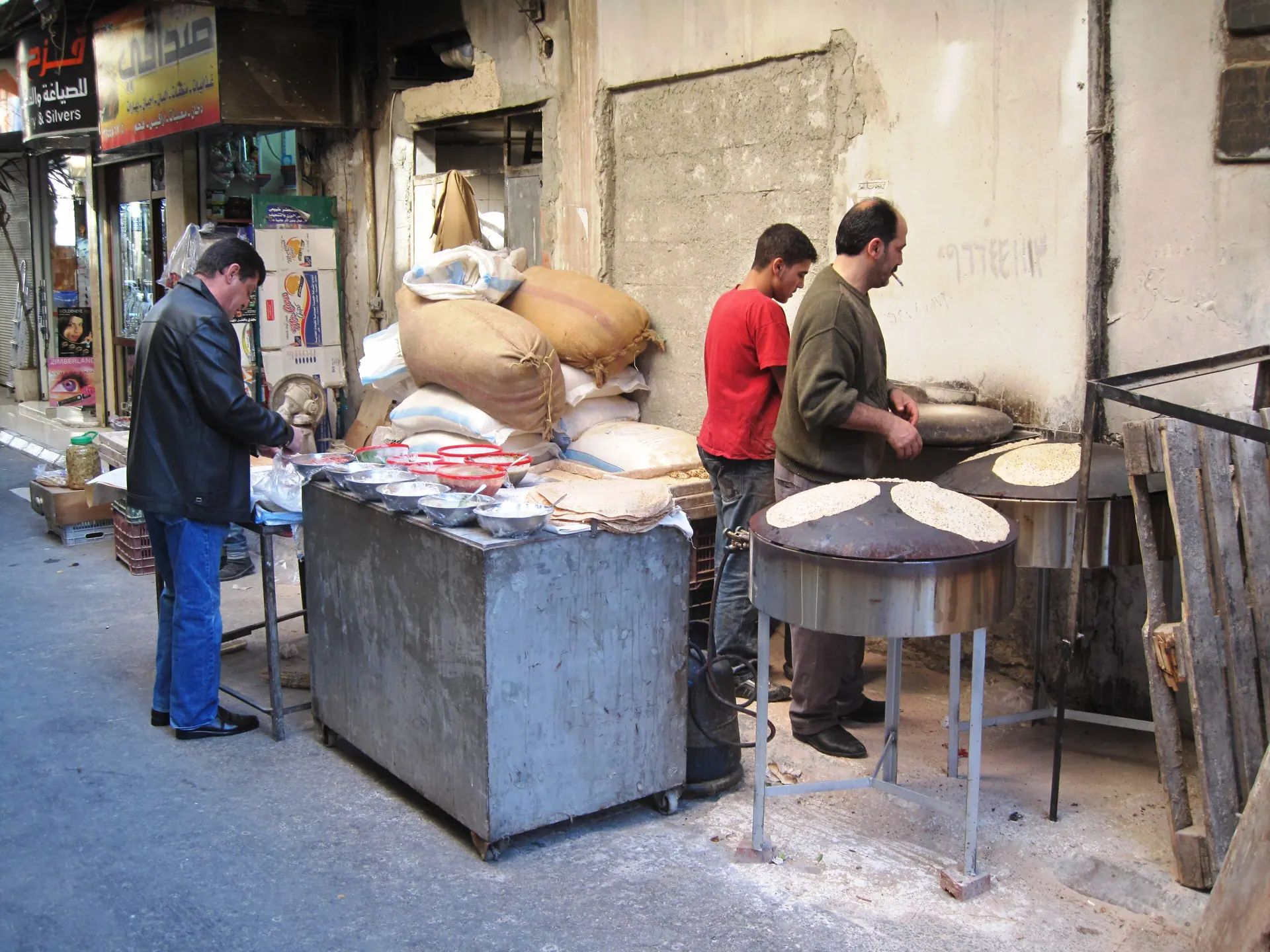
Damascus, 2010-01-01 – Bakers in Damascus, 2010
Damascus · 2010Dickelbers · CC BY-SA 3.0 · Wikimedia Commons
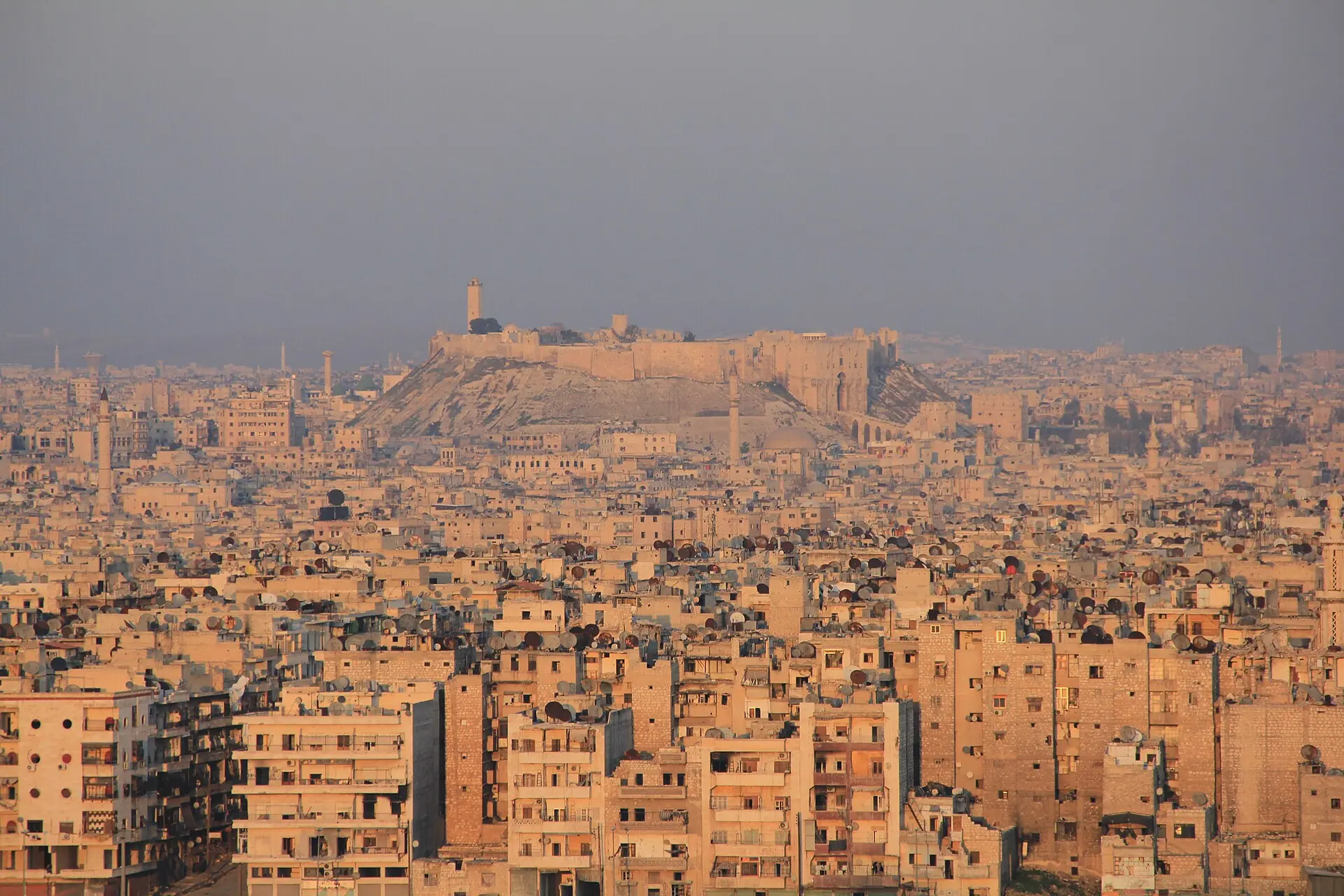
Aleppo, 2010-09-16 – Souq al-Attarine, Aleppo, 2010
Aleppo · 2010yeowatzup · CC BY 2.0 · Wikimedia Commons
Damascus, 2009-04-14 – Al-Hamidiyah Souq, Damascus, 2009
Damascus · 2009Dosseman · CC BY-SA 4.0 · Wikimedia Commons
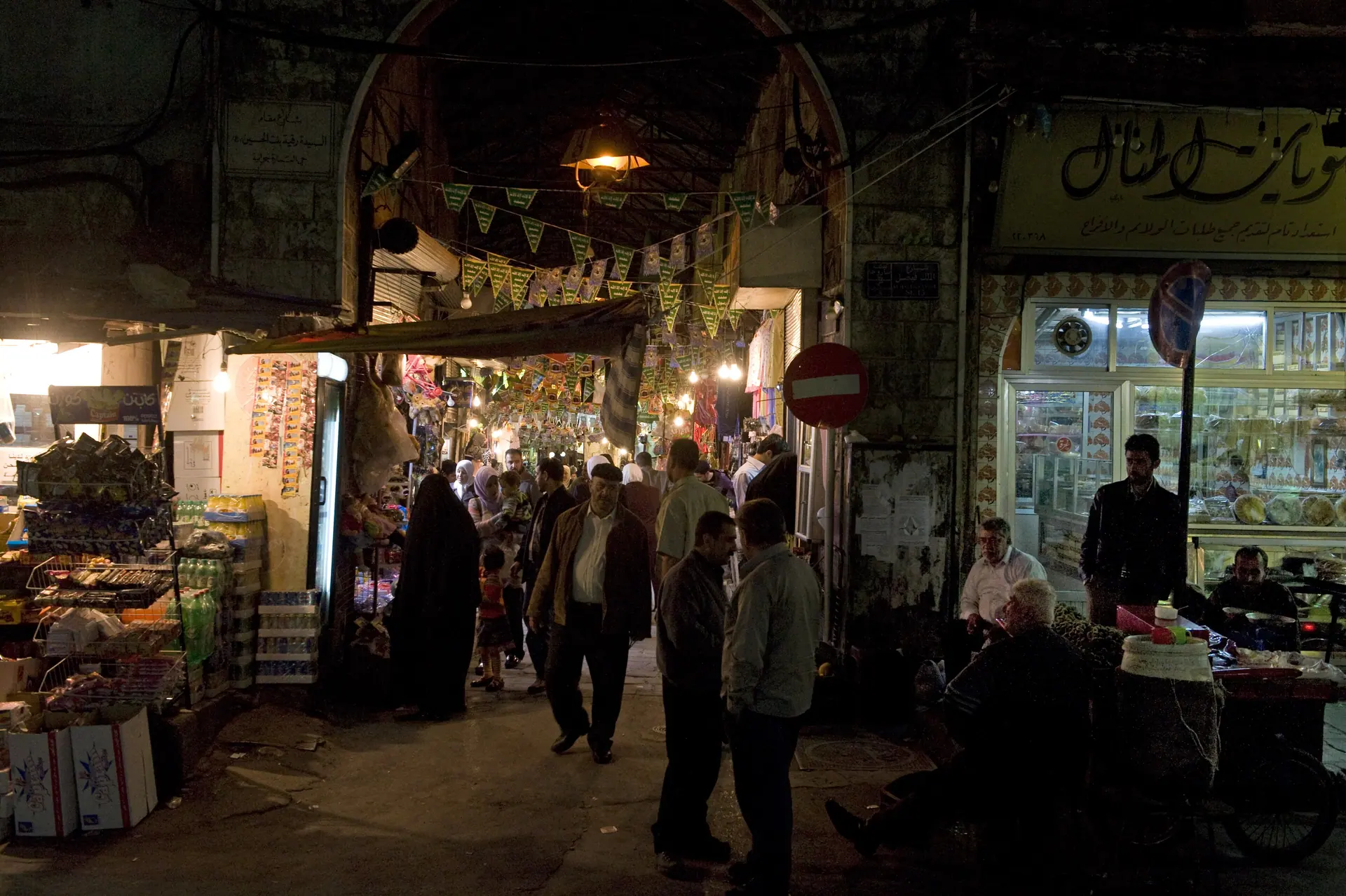
Damascus, 2009-04-15 – Evening in the old city of Damascus, 2009
Damascus · 2009Dosseman · CC BY-SA 4.0 · Wikimedia Commons
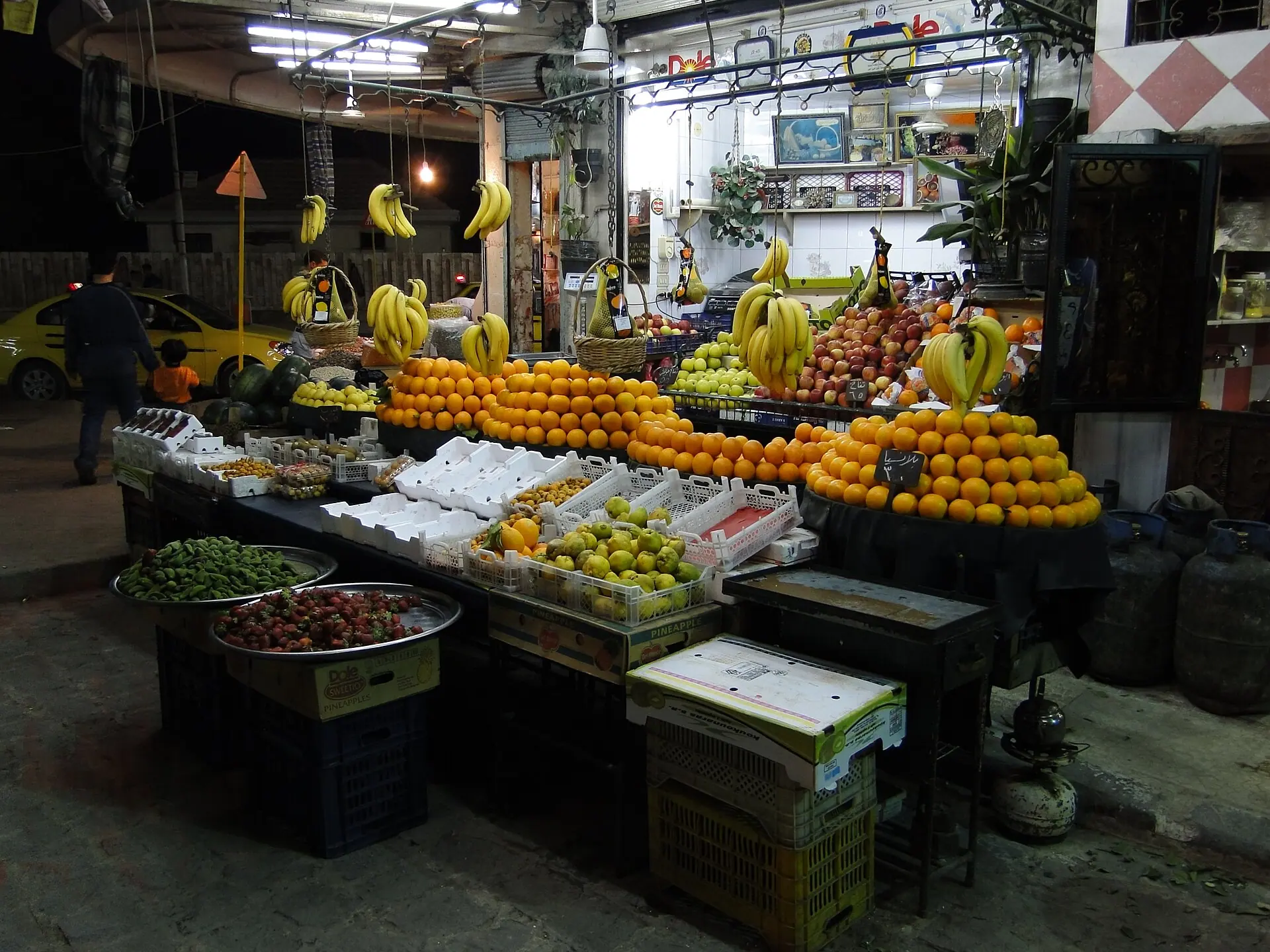
Hama, 2010-04-02 – Fruit market in Hama , Syria
Hama · 2010Bernard Gagnon · CC BY-SA 3.0 · Wikimedia Commons
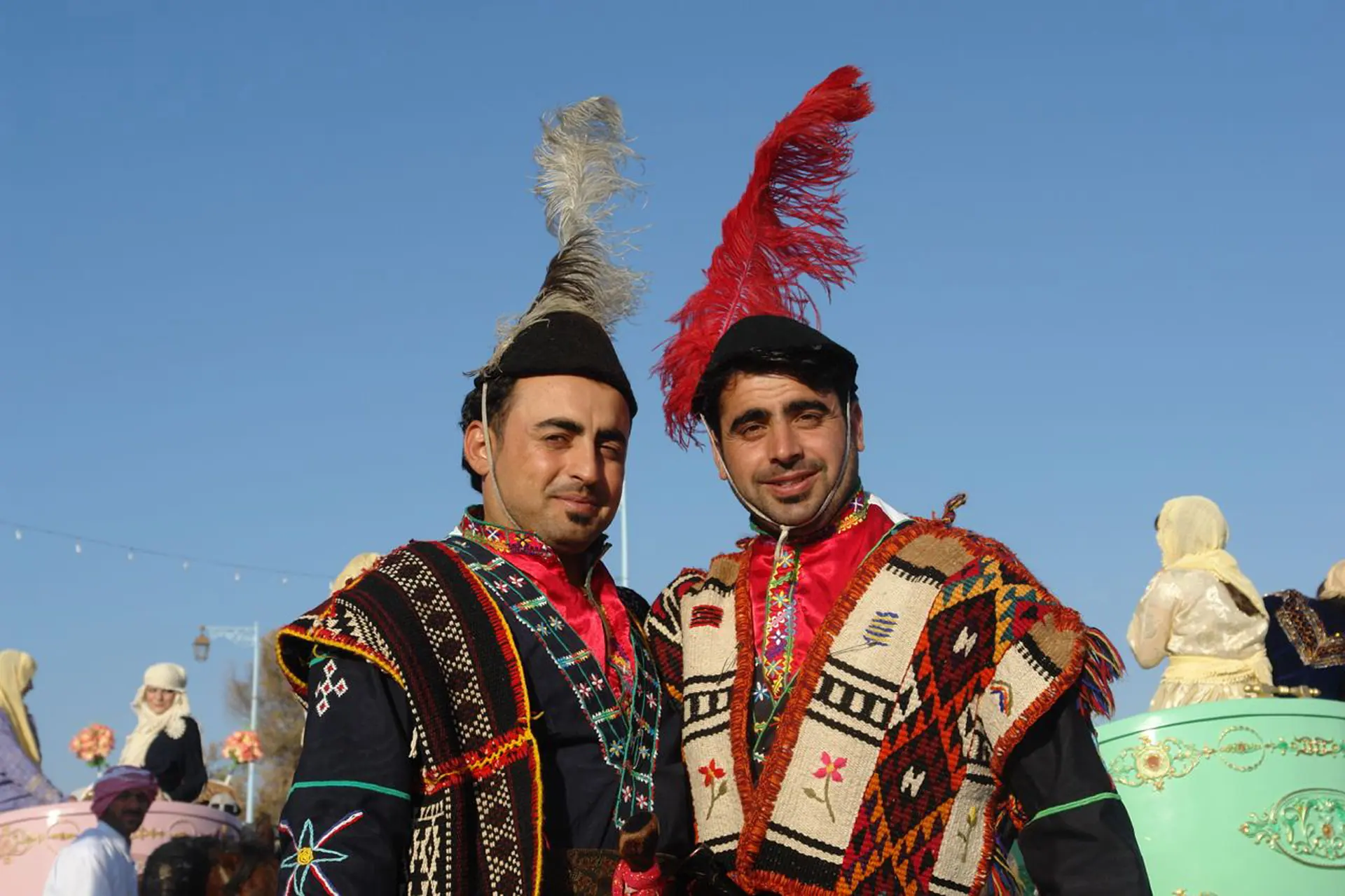
Aleppo, 2008-04-28 – Villagers in traditional dress at the Citadel of Aleppo, 2008
Aleppo · 2008James Gordon from Los Angeles, California, USA · CC BY 2.0 · Wikimedia Commons
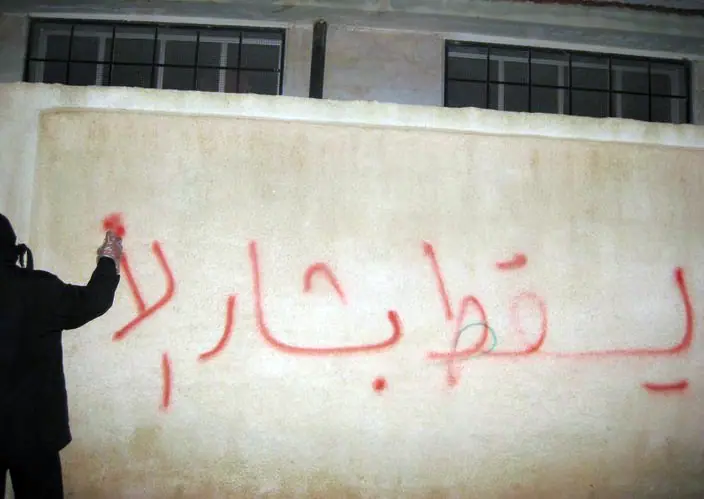
2011-04-12 – The phrase "Down with Bashar" ( yaskut Baššār ), during the Syrian Uprising 2011.
2011jan Sefti · CC BY-SA 2.0 · Wikimedia Commons
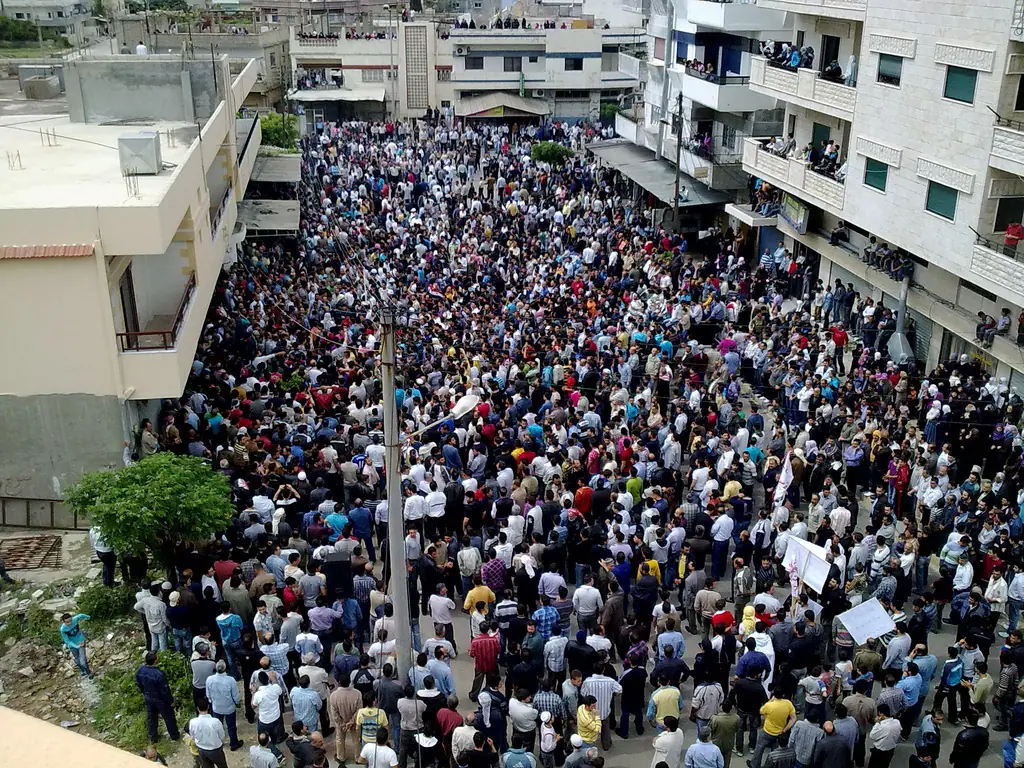
Banyas, 2011-04-29 – Said to be "A demonstration in the city of Banyas," Syria at the "Friday of rage" in 29 ِApril 2011.
Banyas · Tartus · 2011Syria-Frames-Of-Freedom (Pro-FSA information) · CC BY 2.0 · Wikimedia Commons
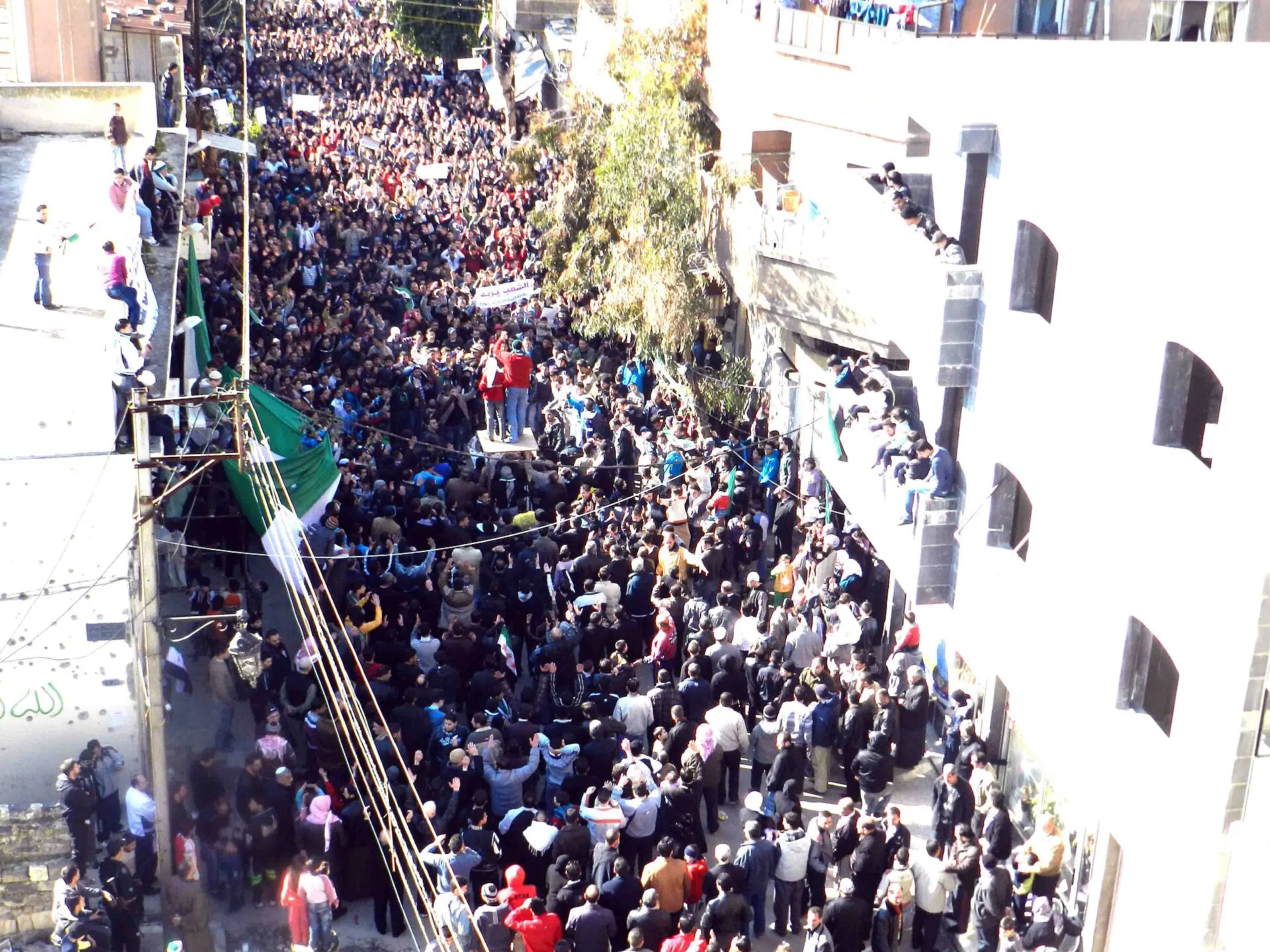
Homs, 2012-02-03 – صورة تظهر مظاهرة حاشدة في حي باب الدريب بمدينة حمص في سوريا ضمن الثورة المطالبة بإسقاط النظام هناك
Homs · 2012Bo yaser · CC BY-SA 3.0 · Wikimedia Commons
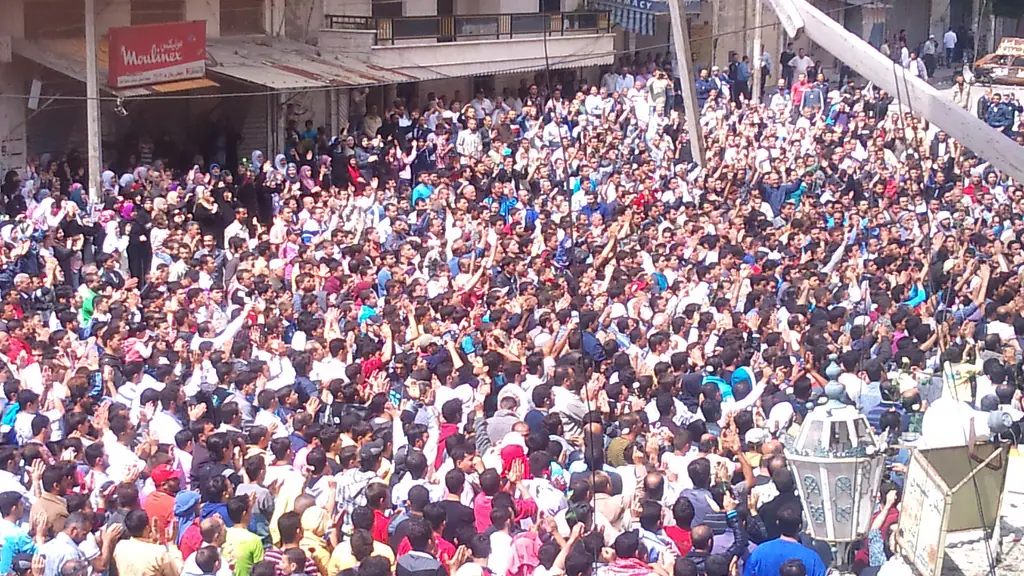
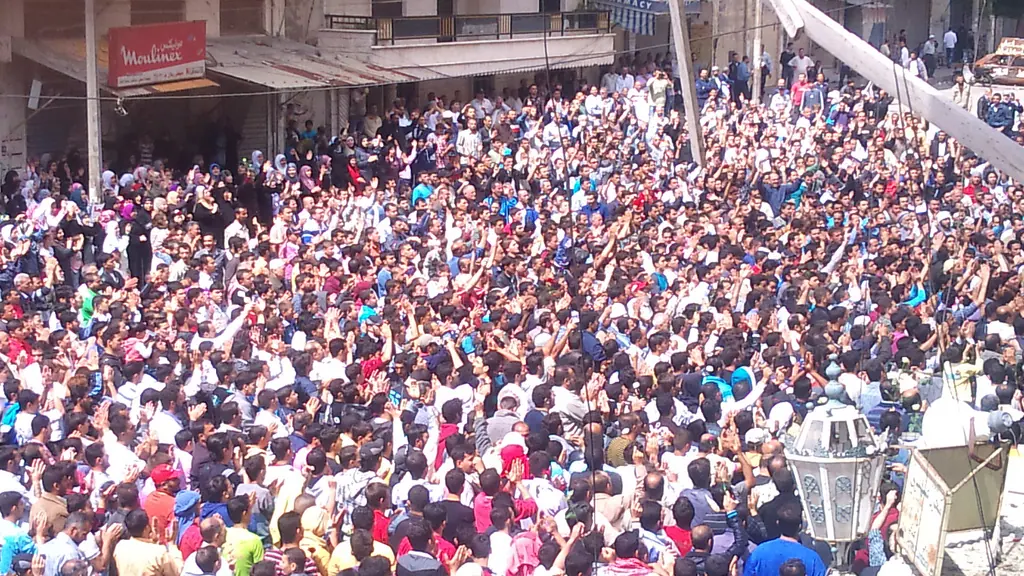
Banyas, 2011-09-16 – A demonstration in the city of Banyas, Syria at 6th may 2011.
Banyas · Tartus · 2011Syria-Frames-Of-Freedom · CC BY 2.0 · Wikimedia Commons
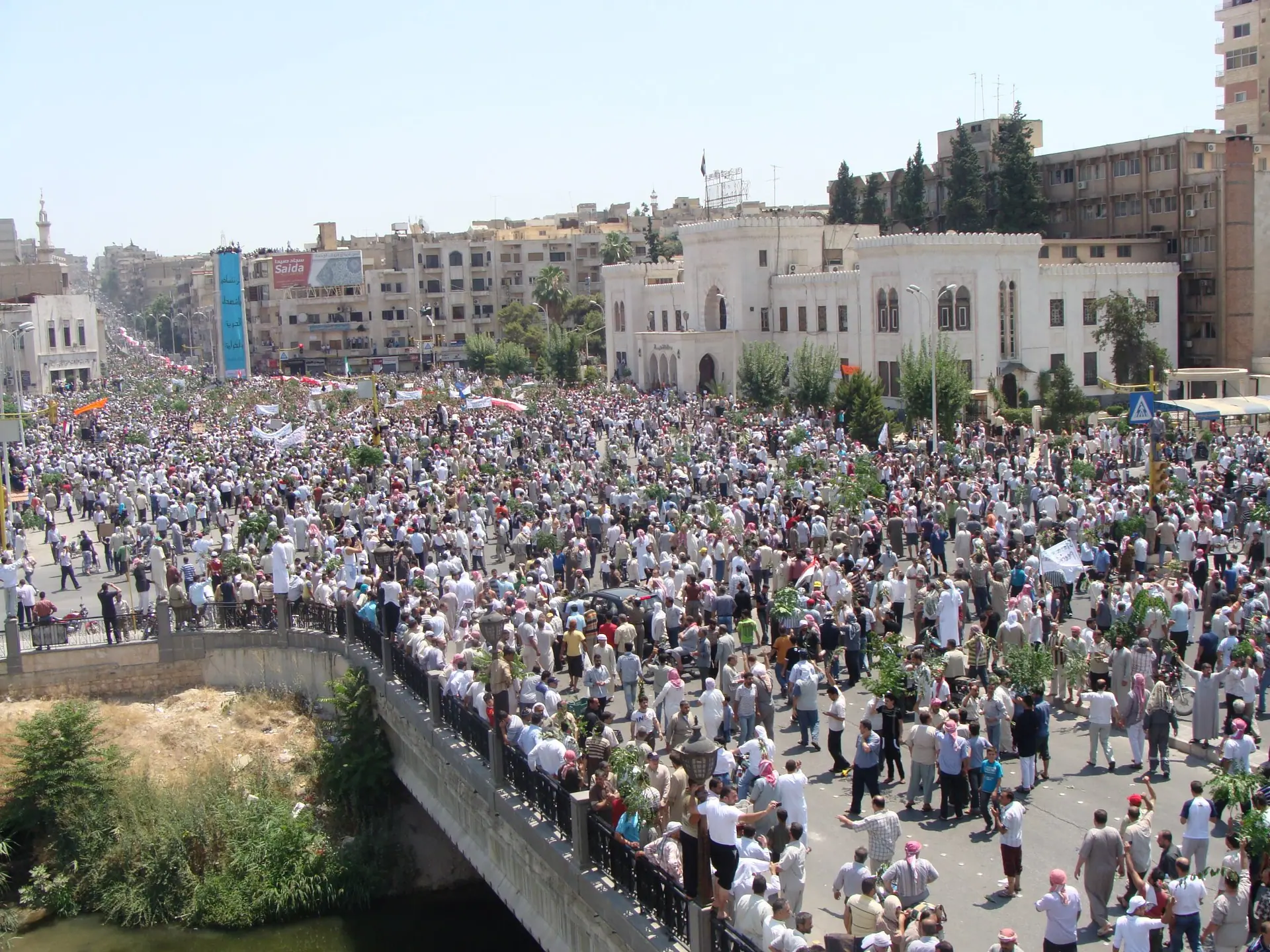
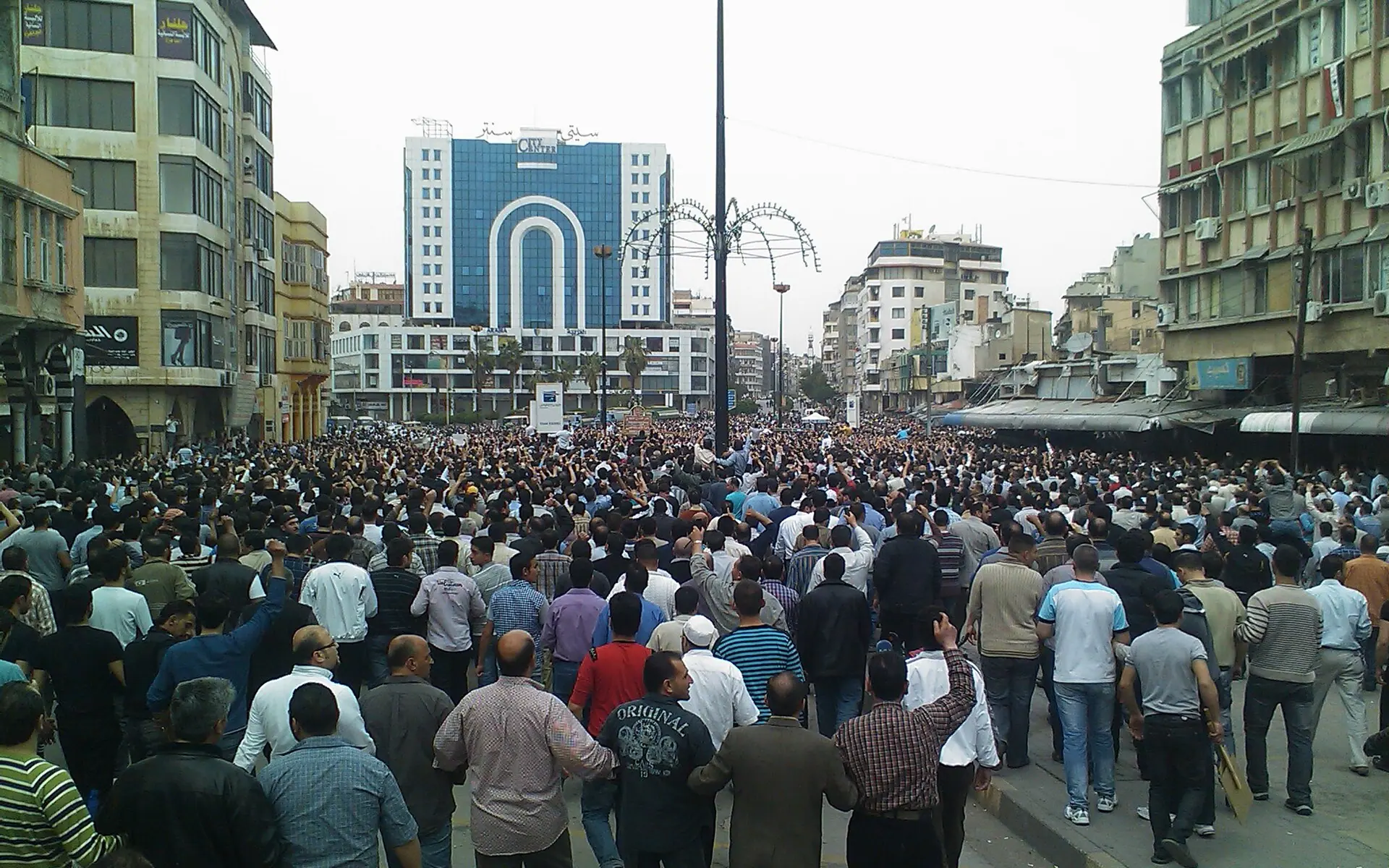
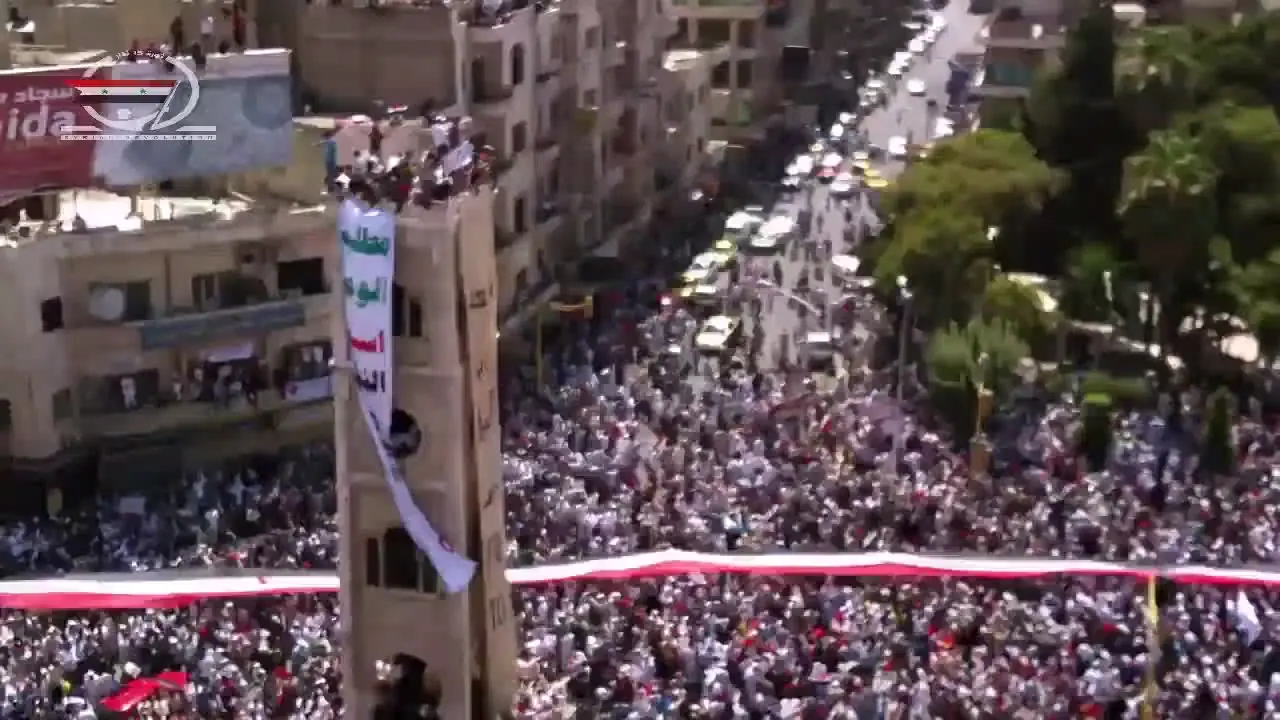
Hama, 2011-07-08 – Hundreds of thousands demonstrate in Hama, 8 July 2011
Hama · 2011The original uploader was Bo yaser at Arabic Wikipedia . · CC BY 2.5 · Wikimedia Commons
Homs, 2011-04-18 – Demonstration in Homs, Syria against Al Assad regime in the Syrian Uprising
Homs · 2011Bo yaser · CC BY-SA 3.0 · Wikimedia Commons
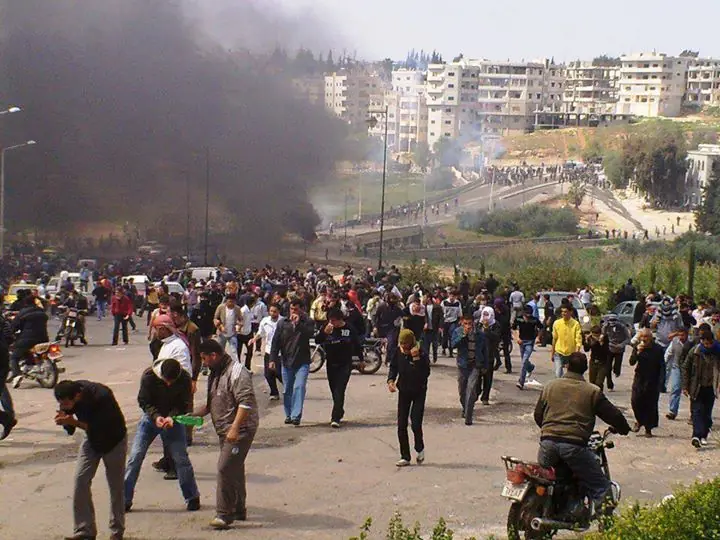
Daraa, 2013 – درعا البلد إحدى المظاهرات في بداية الإحتجاجات
Daraa · 2013User:Ibrahim moukdad · CC BY-SA 3.0 · Wikimedia Commons
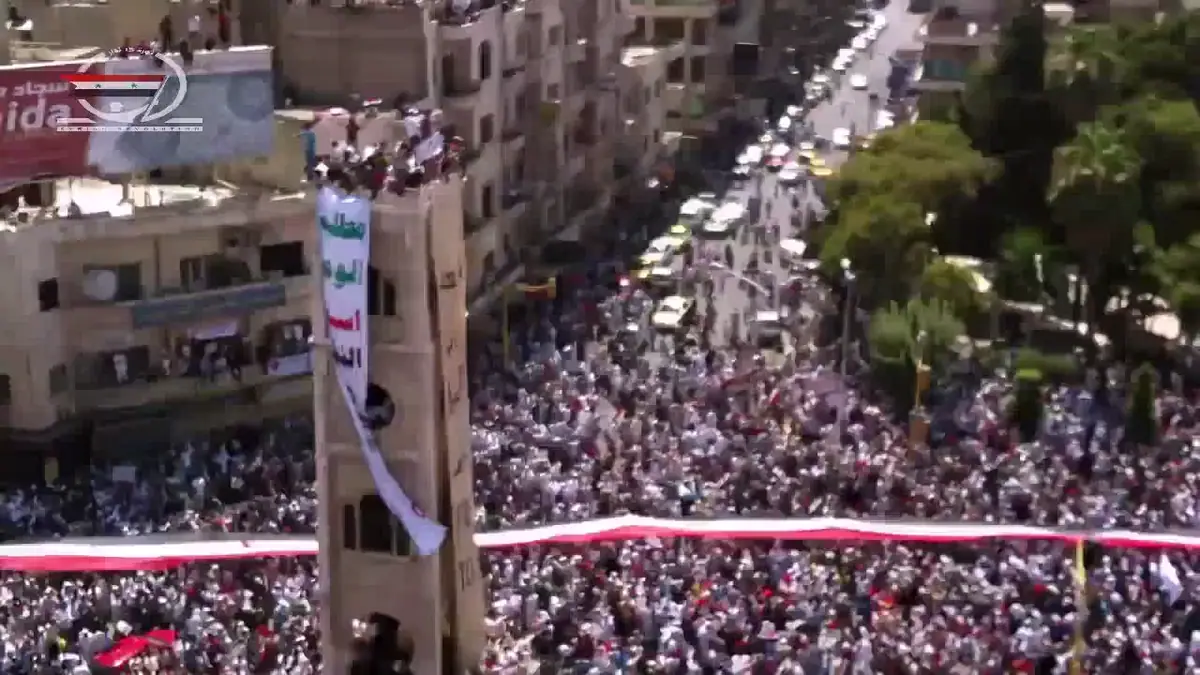
Hama, 2011-07-22 – Thousands of protesters parade the flag of Syria and shout " Ash-shab yurid isqat an-nizam " in the Assi square of Hama during the siege in
Hama · 2011Syrian Revolution Network · CC BY 3.0 · Wikimedia Commons
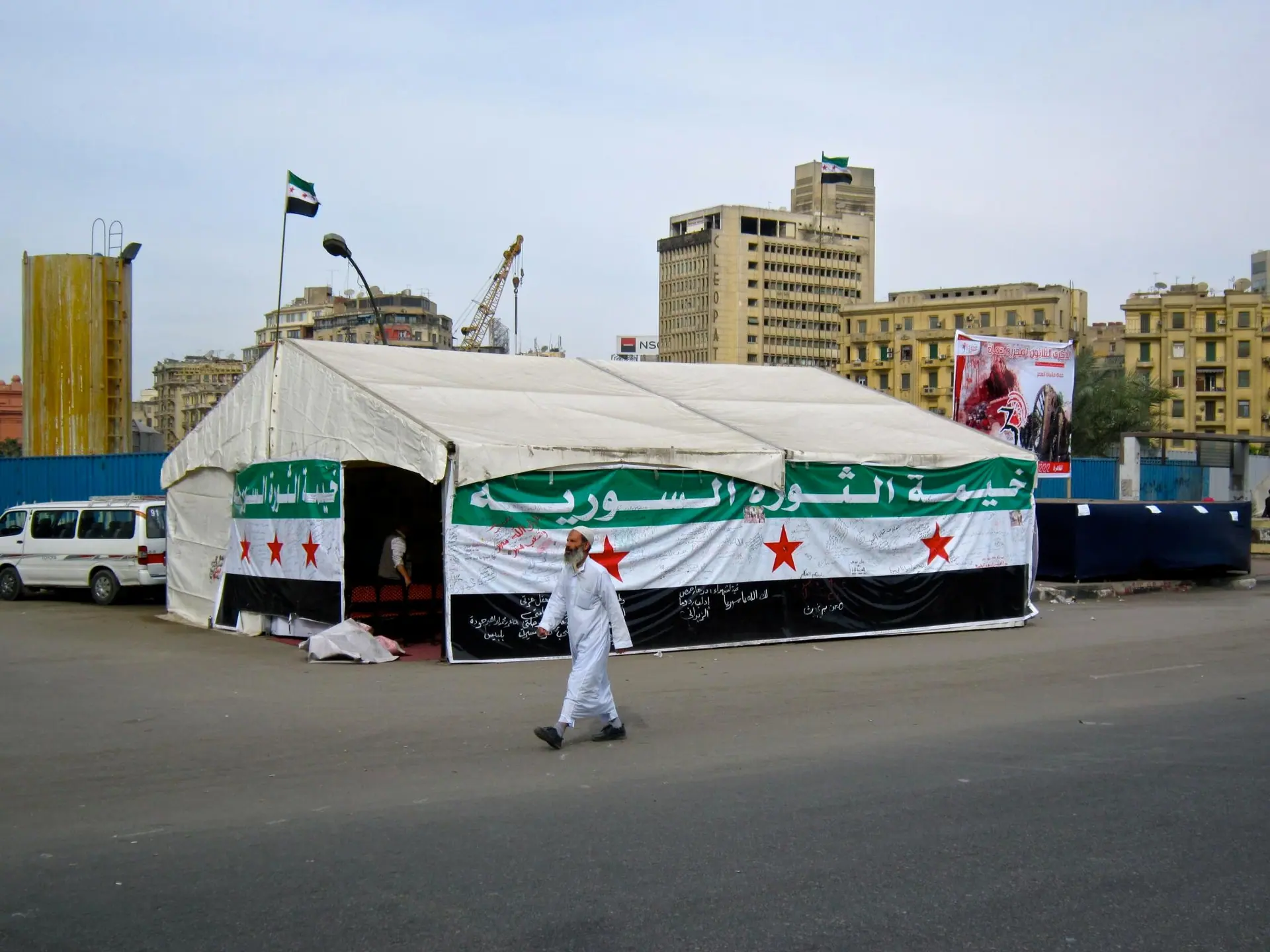
Tahrir Square, Cairo (Egypt), 2012-02-03 – The Syrian Revolution tent in Tahrir
Tahrir Square, Cairo · 2012Gigi Ibrahim from Cairo, Egypt · CC BY 2.0 · Wikimedia Commons
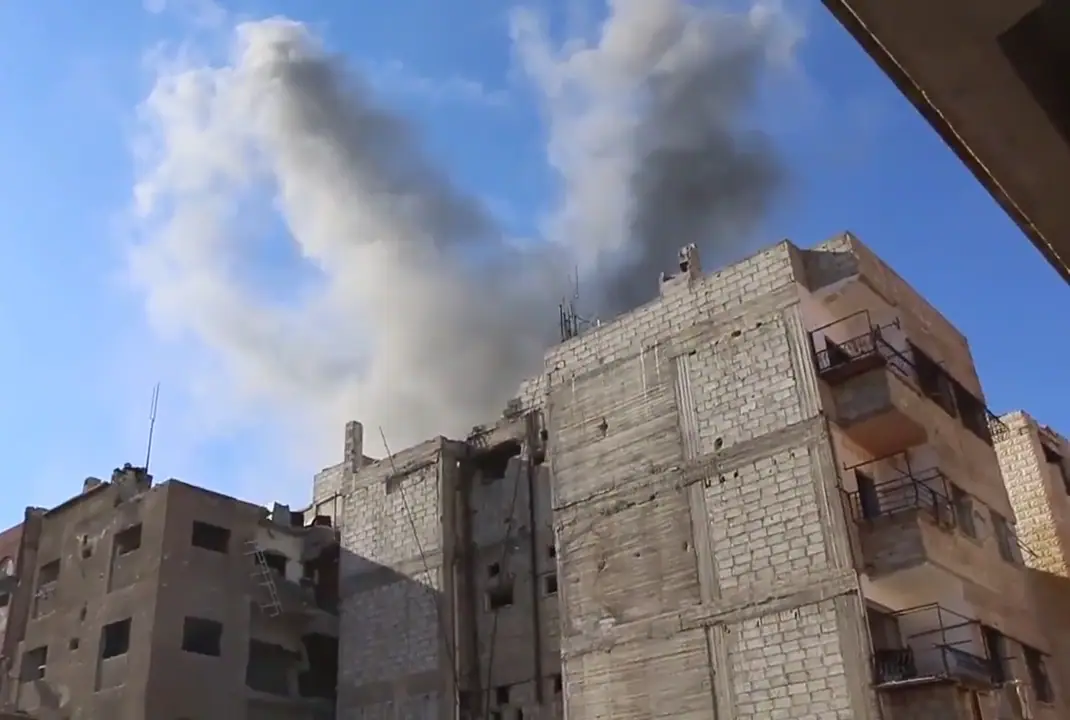
Jobar (Damaskus), 2017-03-20 – Smoke rises from a building in the Damascus suburb of Jobar after being hit by a hit by a bomb during the Qaboun offensive (February–March 2
Jobar · Damascus · 2017Qasioun News Agency · CC BY 3.0 · Wikimedia Commons
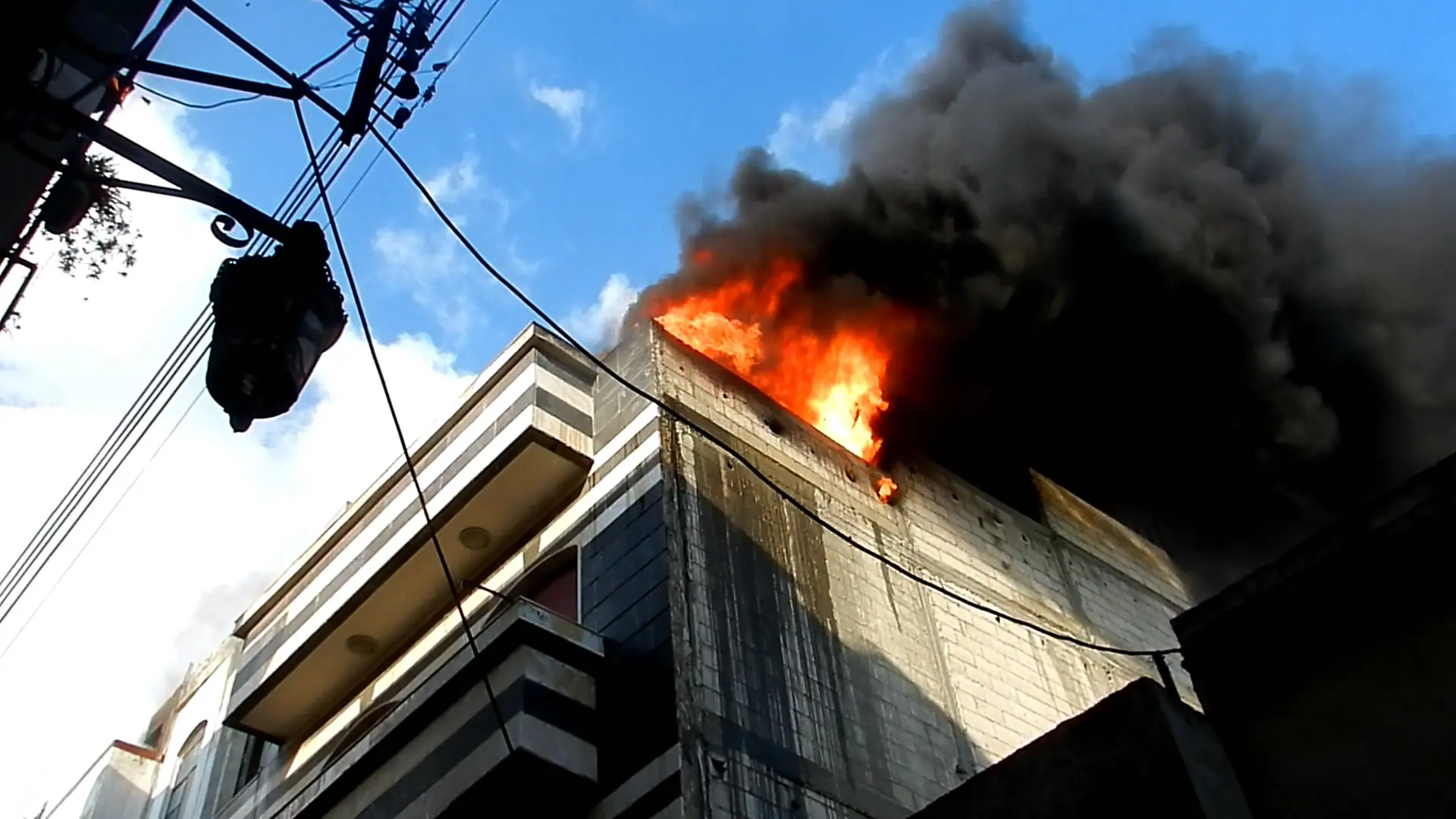
Homs, 2012-02-25 – A burning house in the neighborhood of Orchard Court in Homs Syria after bombing of the Syrian army who is trying to suppress the revolution
Homs · 2012Bo yaser · CC BY-SA 2.5 · Wikimedia Commons
Aleppo, 2016-02-28 – Aleppo in the war
Aleppo · 2016LOUAI BARAKAT · CC BY-SA 4.0 · Wikimedia Commons
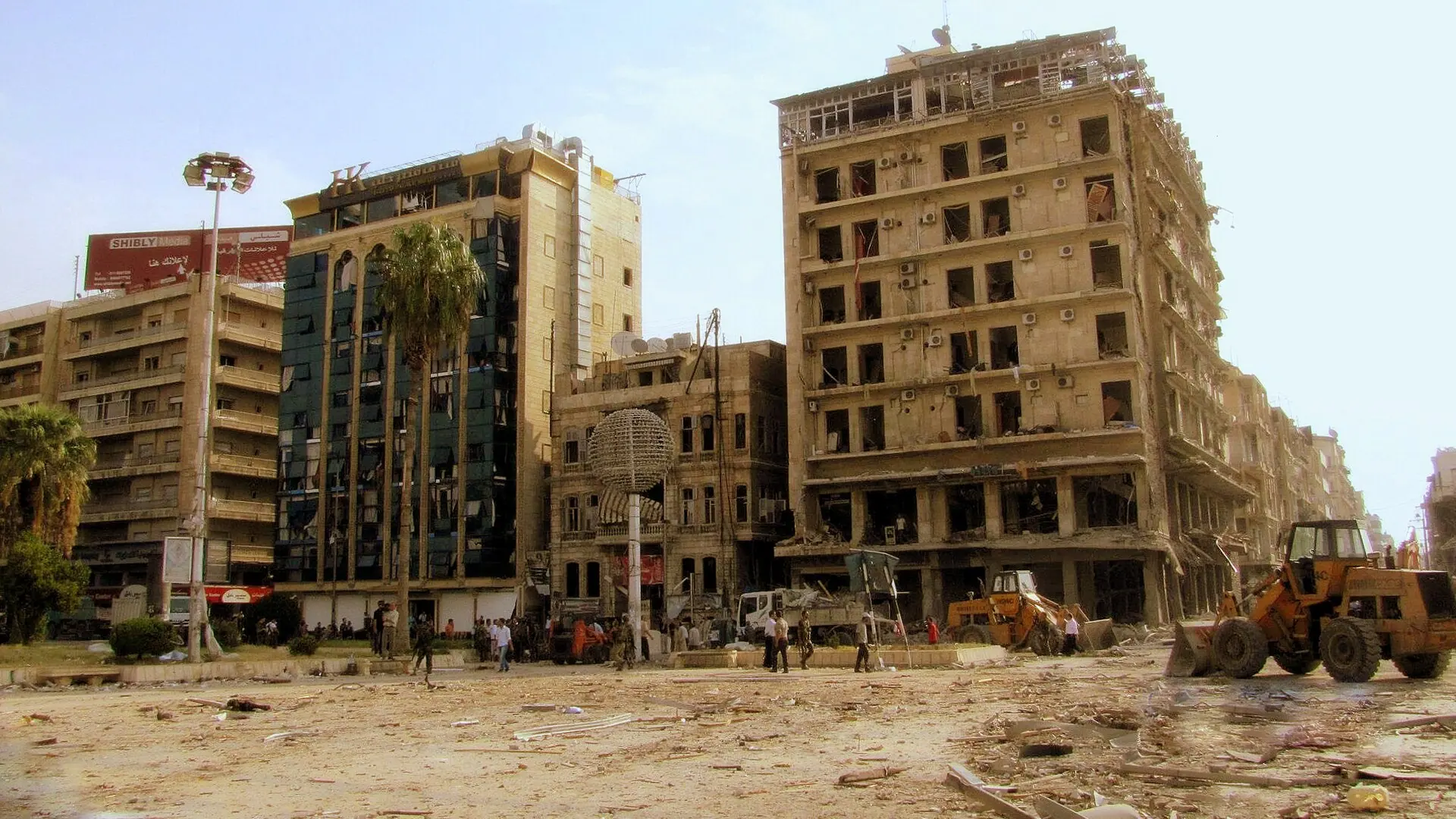
Aleppo, 2012-10-03 – 3 Car bombs hit the central Saadallah al-Jabiri square in Aleppo. [1]
Aleppo · 2012Zyzzzzzy · CC BY 2.0 · Wikimedia Commons
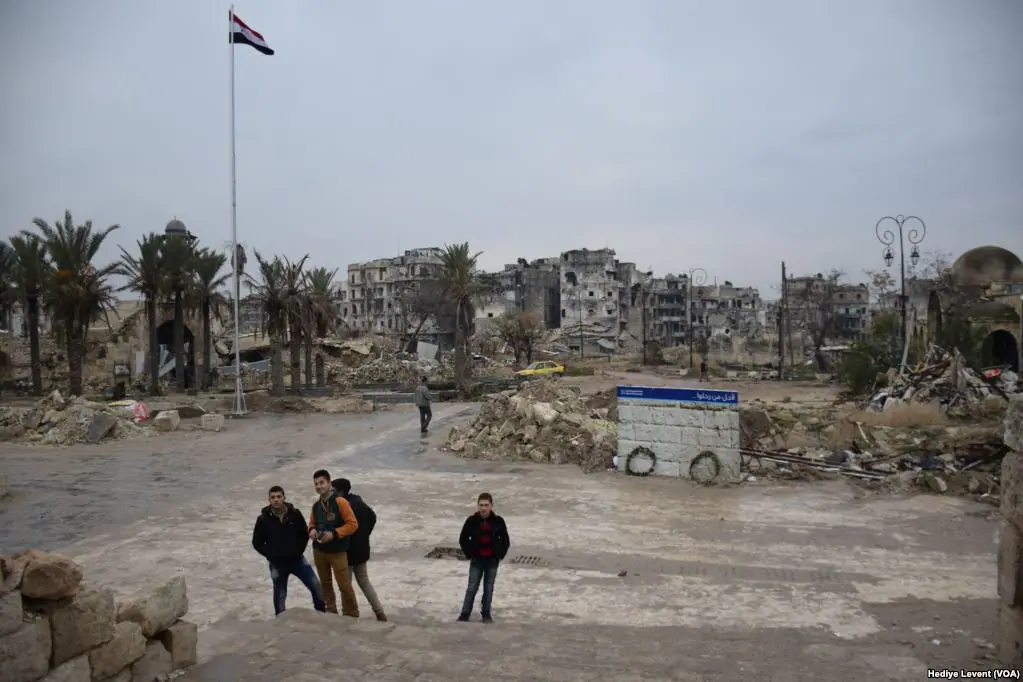
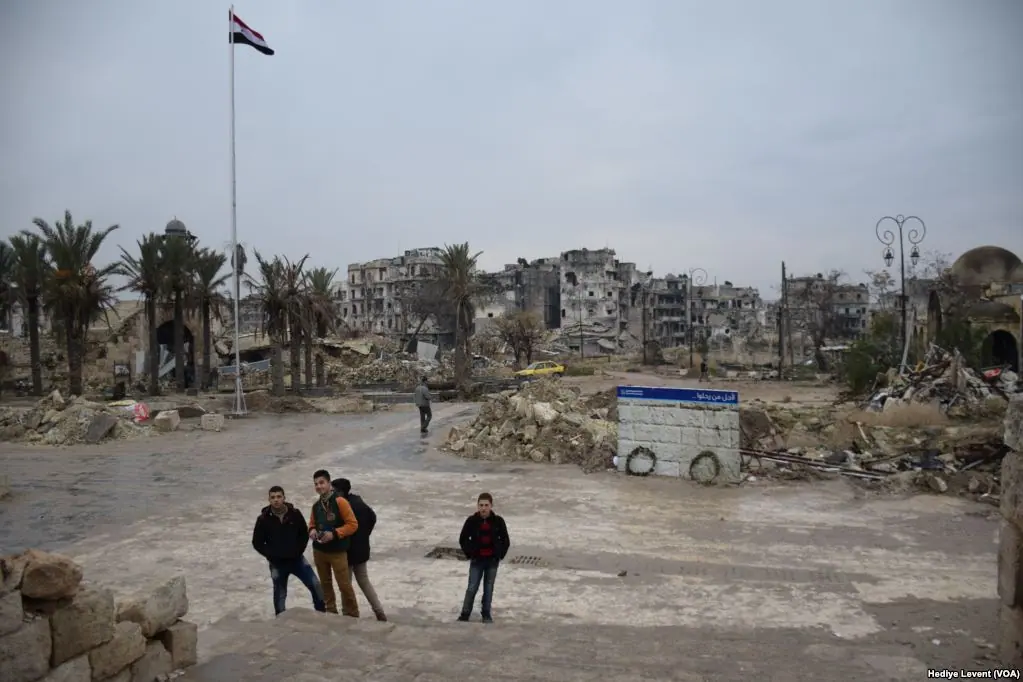
Aleppo, 2017-01-13 – Vieille ville d'Alep, le 13 janvier 2017.
Aleppo · 2017Hediye Levent (VOA) · Public domain · Wikimedia Commons
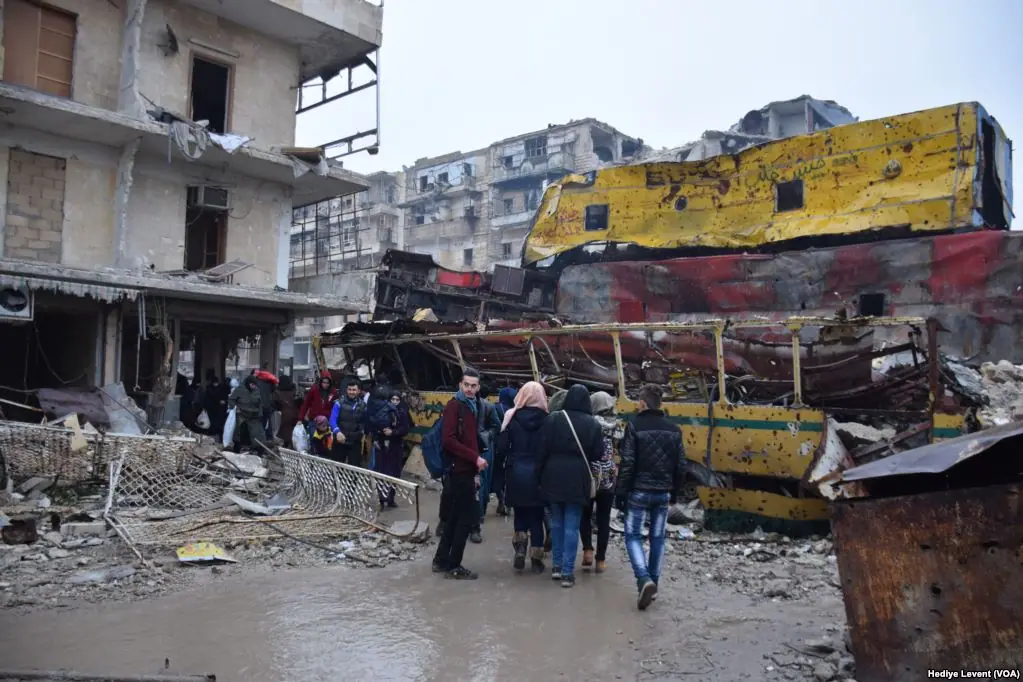
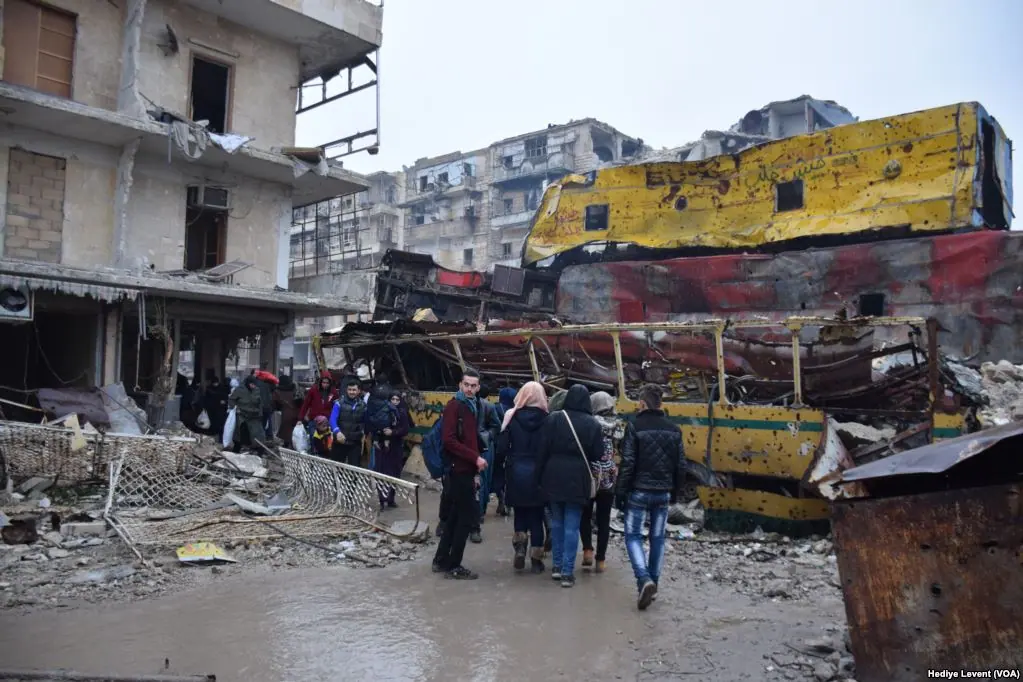
Aleppo, 2019-04-22 – Vieille ville d'Alep, le 13 janvier 2017.
Aleppo · 2019VOA · Public domain · Wikimedia Commons
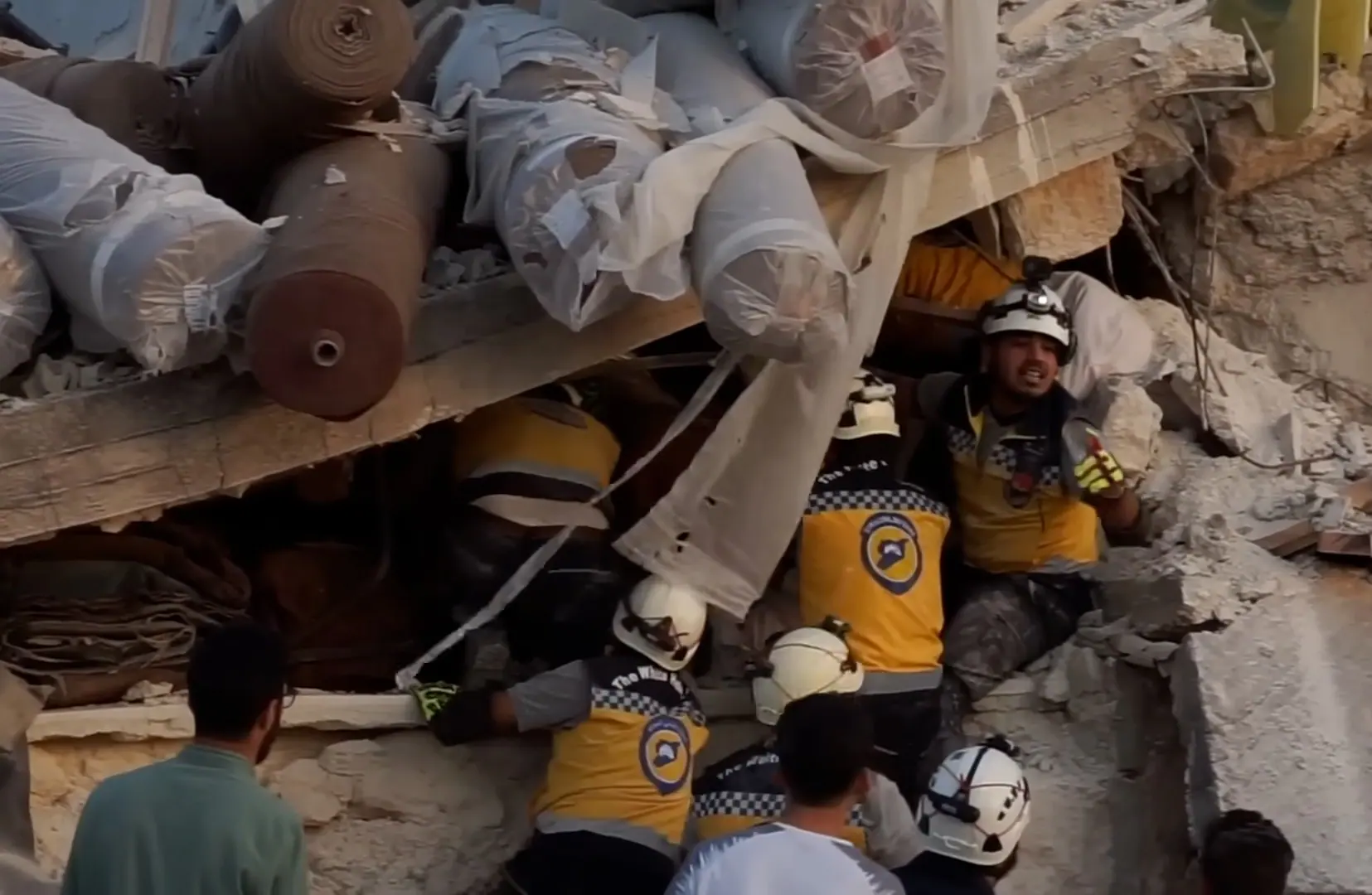
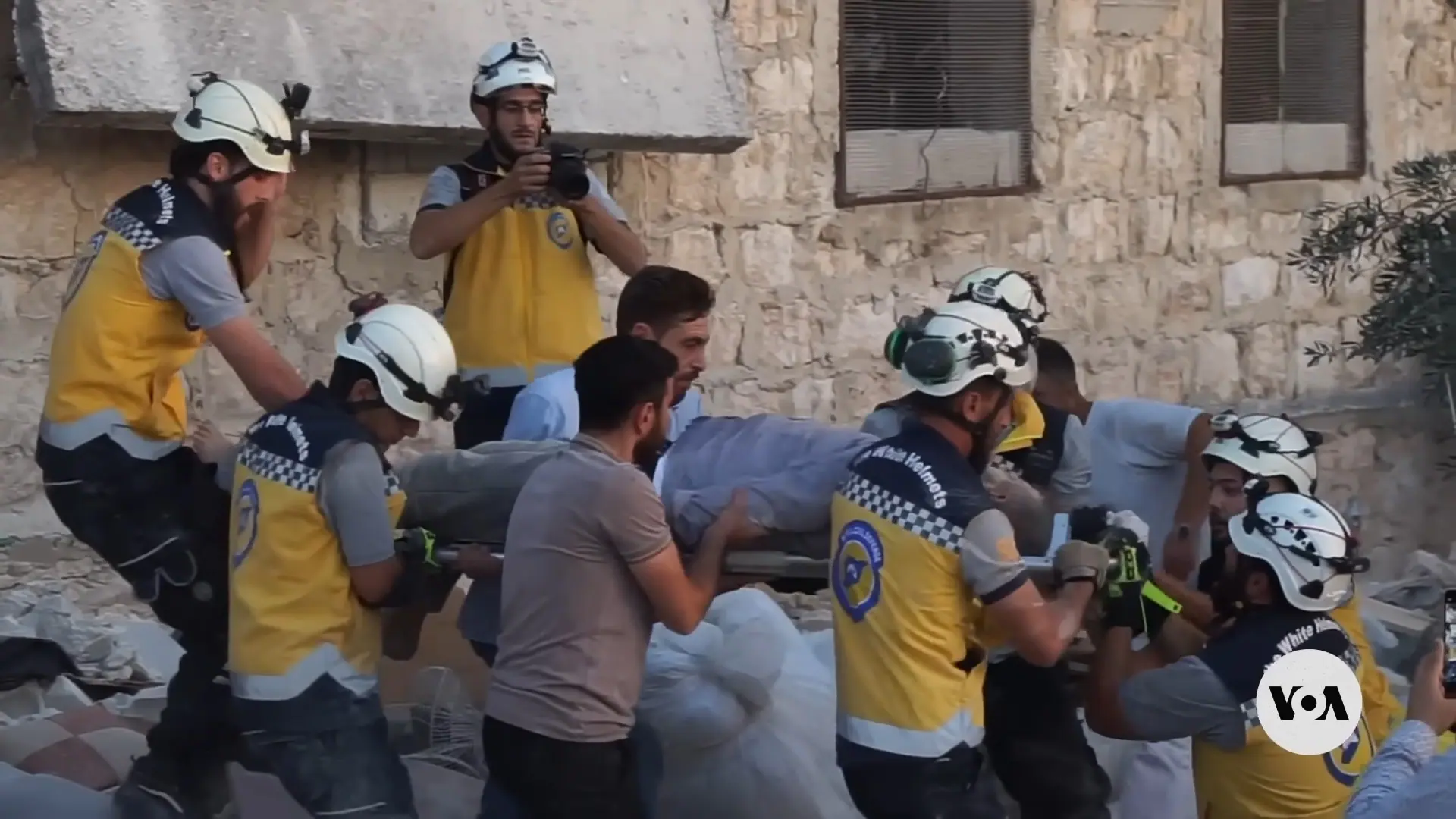
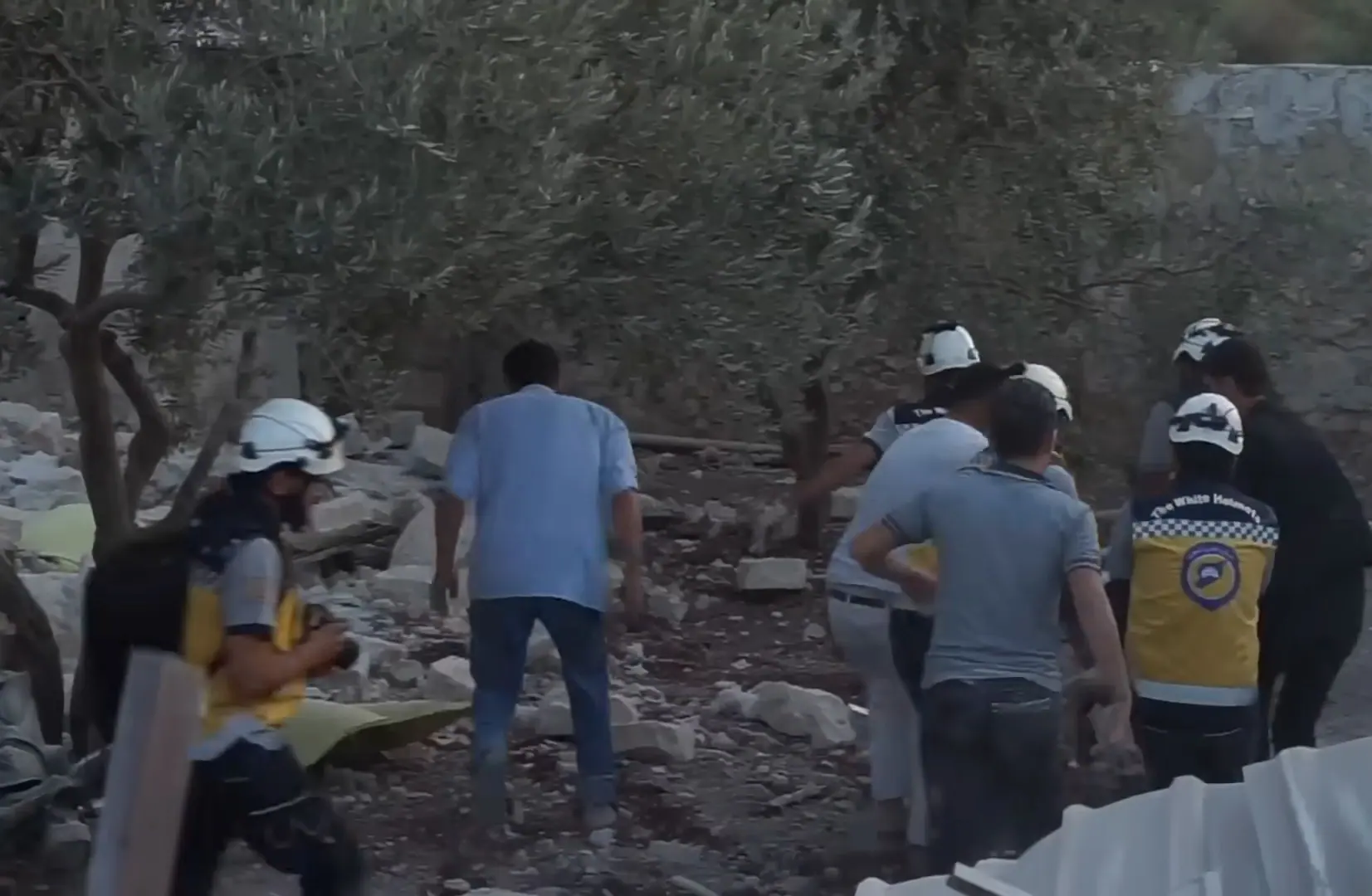
Syria, 2024-12-08 – Syrian White Helmets clears the rubble
Syria · 2024Voice of America · Public domain · Wikimedia Commons
Syria, 2024-12-08 – Syrian White Helmets Extraction
Syria · 2024Voice of America · Public domain · Wikimedia Commons
Syria, 2024-12-08 – Syrian White Helmet Extract
Syria · 2024Voice of America · Public domain · Wikimedia Commons
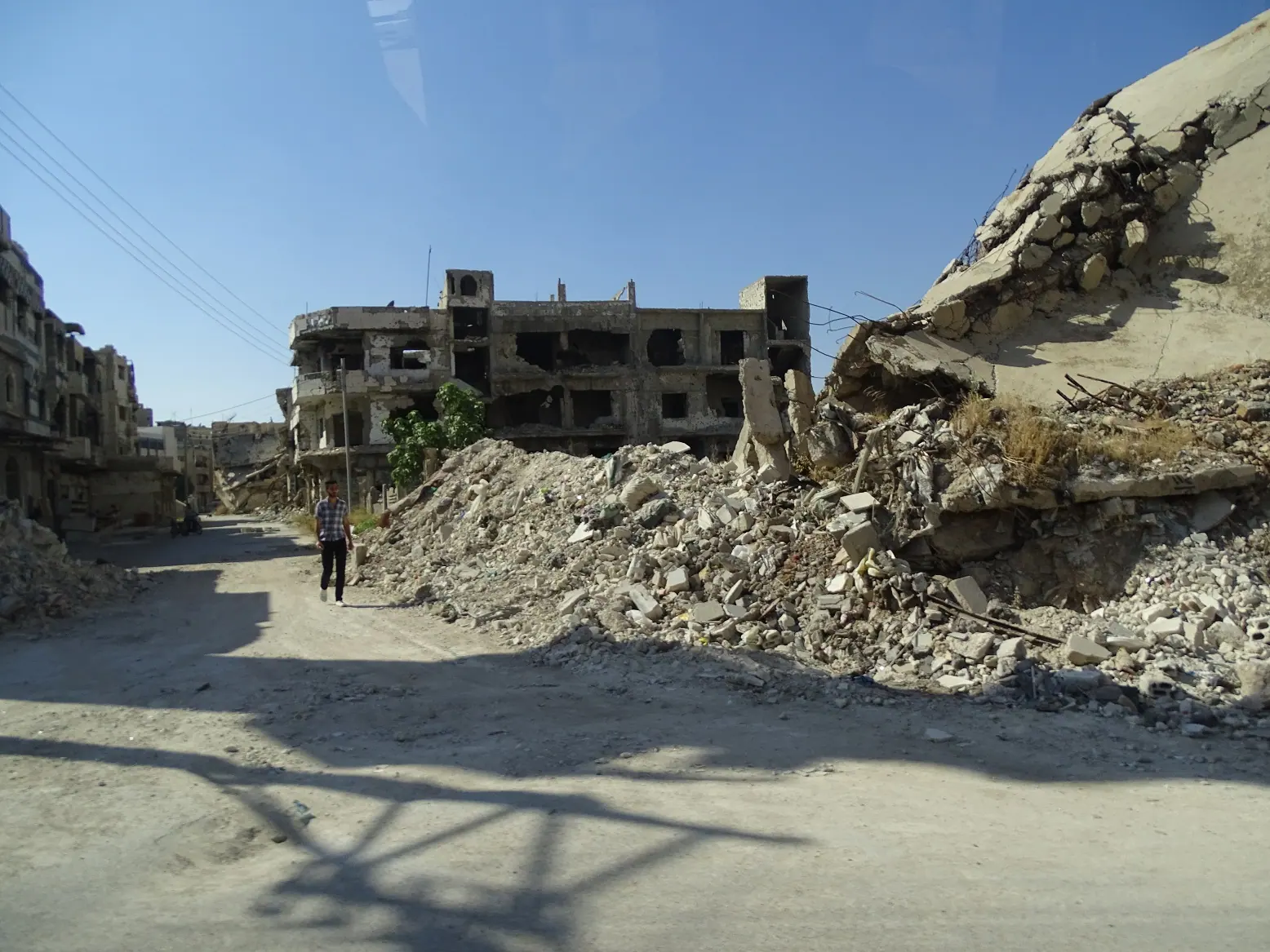
Homs, 2017-06-10 – Homsz háborús nyomai
Homs · 2017Kocsis Fülöp, Hajdúdorogi Főegyházmegye · CC BY-SA 4.0 · Wikimedia Commons
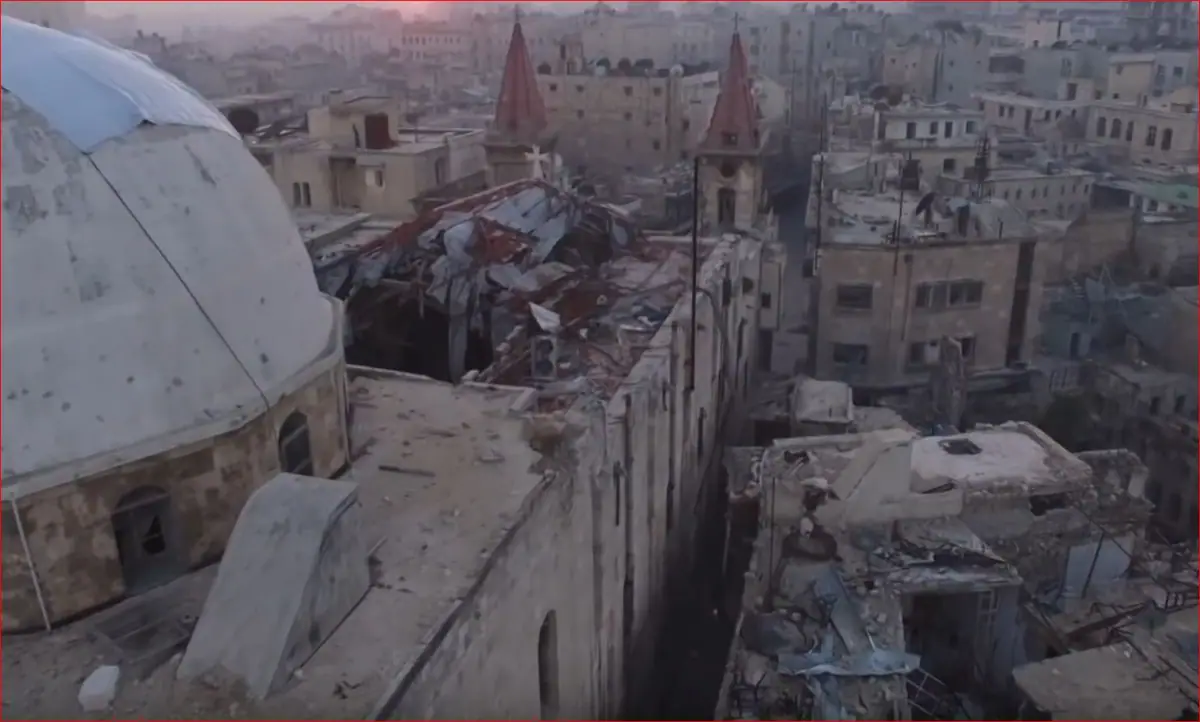
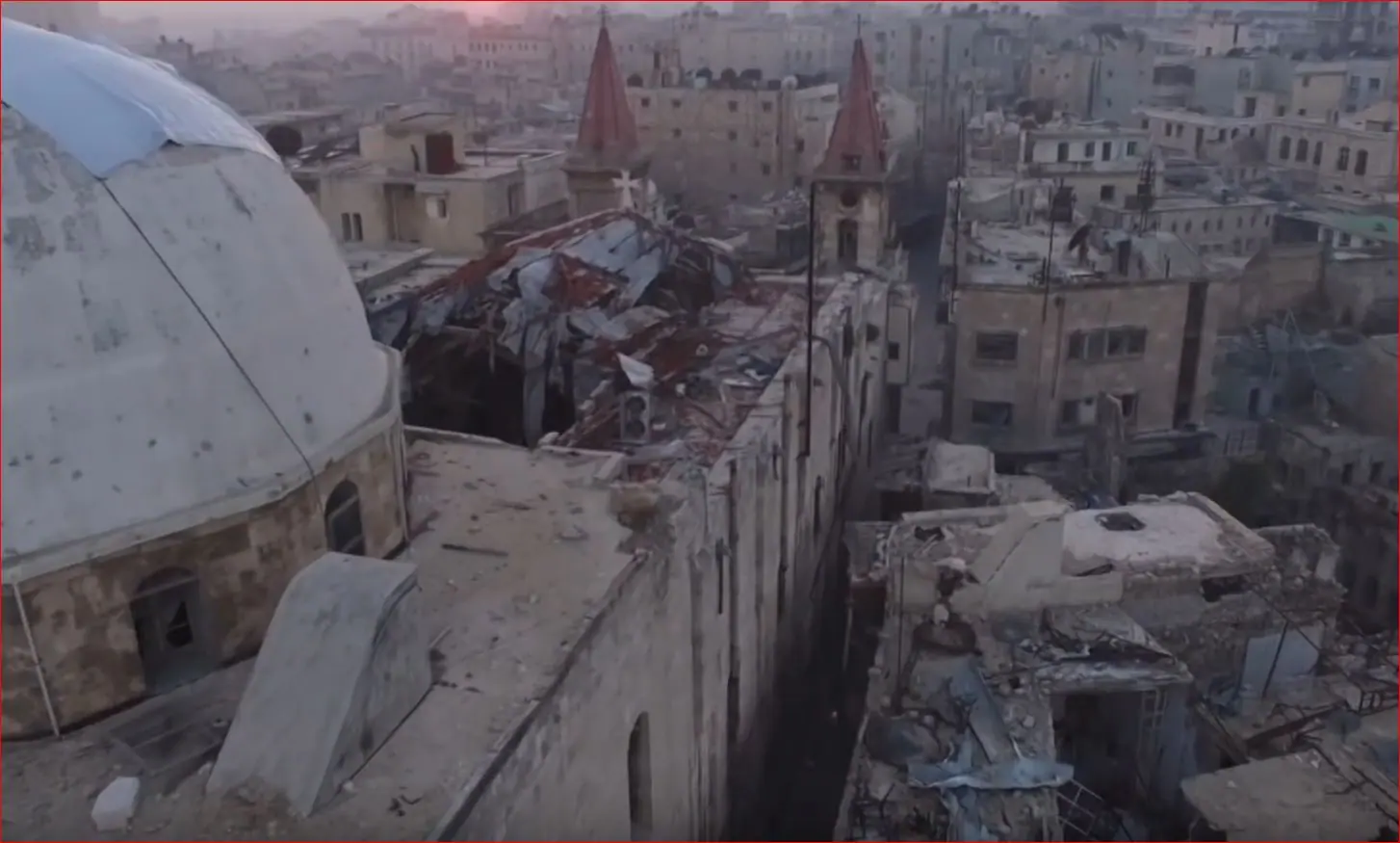
Aleppo, 2016-12-23 – The ruins of Saint Elijah Cathedral in east Aleppo, Old City, December 23st 2016.
Aleppo · 2016Ortho · CC BY-SA 4.0 · Wikimedia Commons
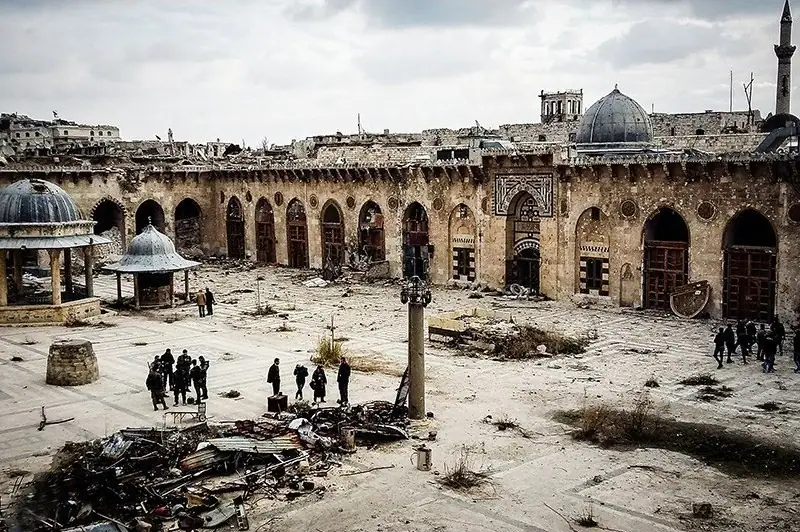
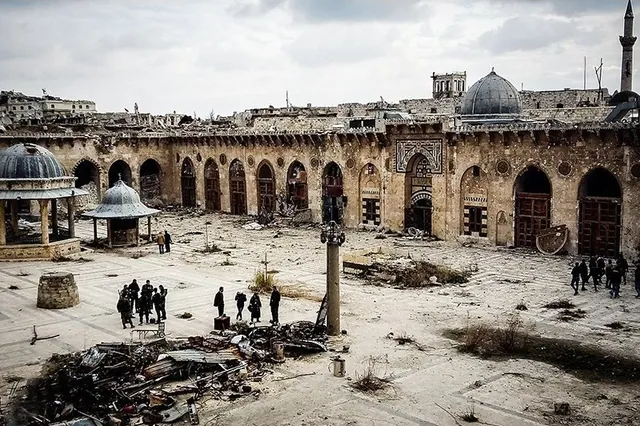
Aleppo, 2016-12-30 – Great Mosque of Aleppo in December 2016
Aleppo · 2016Fathi Nezam from Tasnim News Agency · CC BY 4.0 · Wikimedia Commons
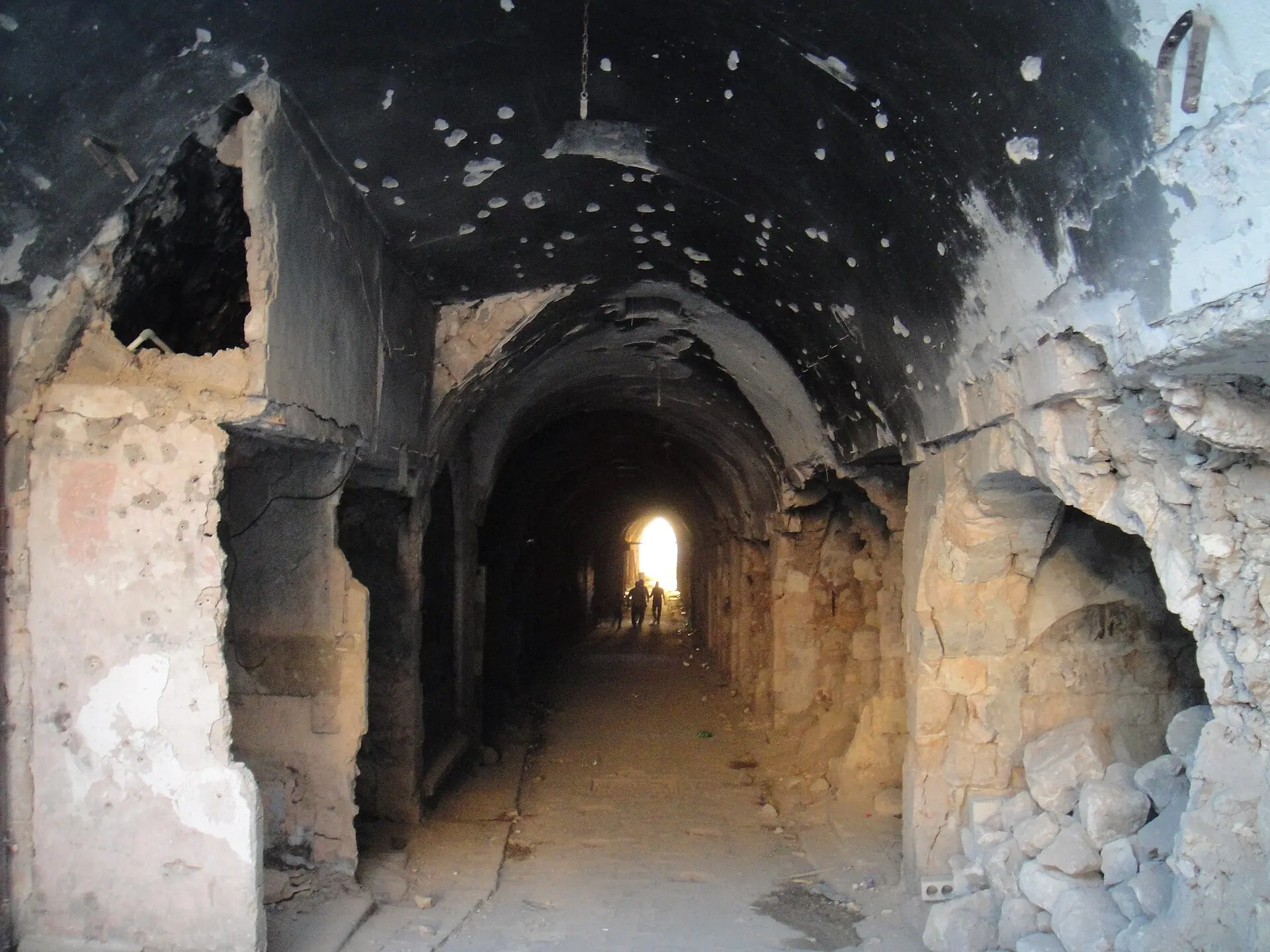
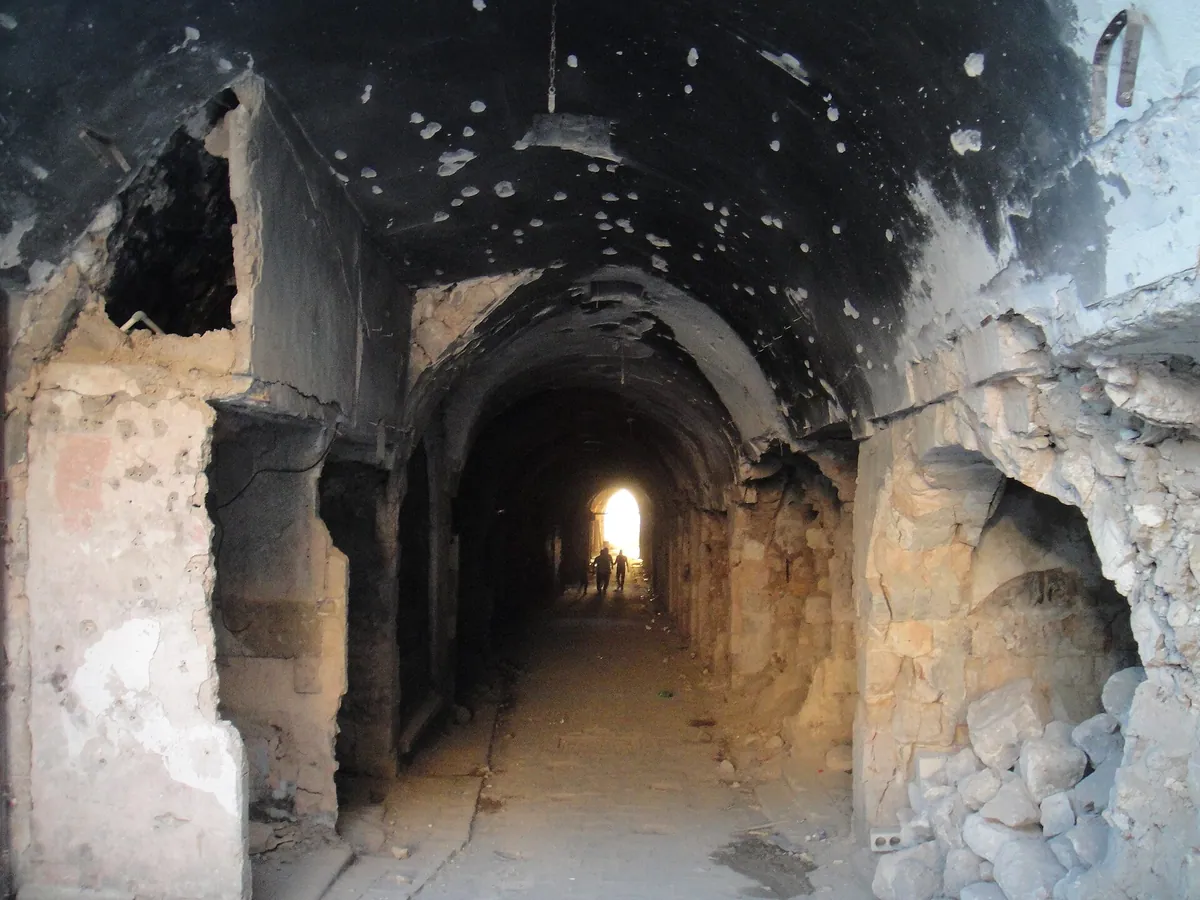
Aleppo, 2018-09-28 – أحد أسواق حلب القديمة وقد دُمر وأُحرق بالكامل جراء الحرب
Aleppo · 2018Hussam.shibli · CC BY-SA 4.0 · Wikimedia Commons
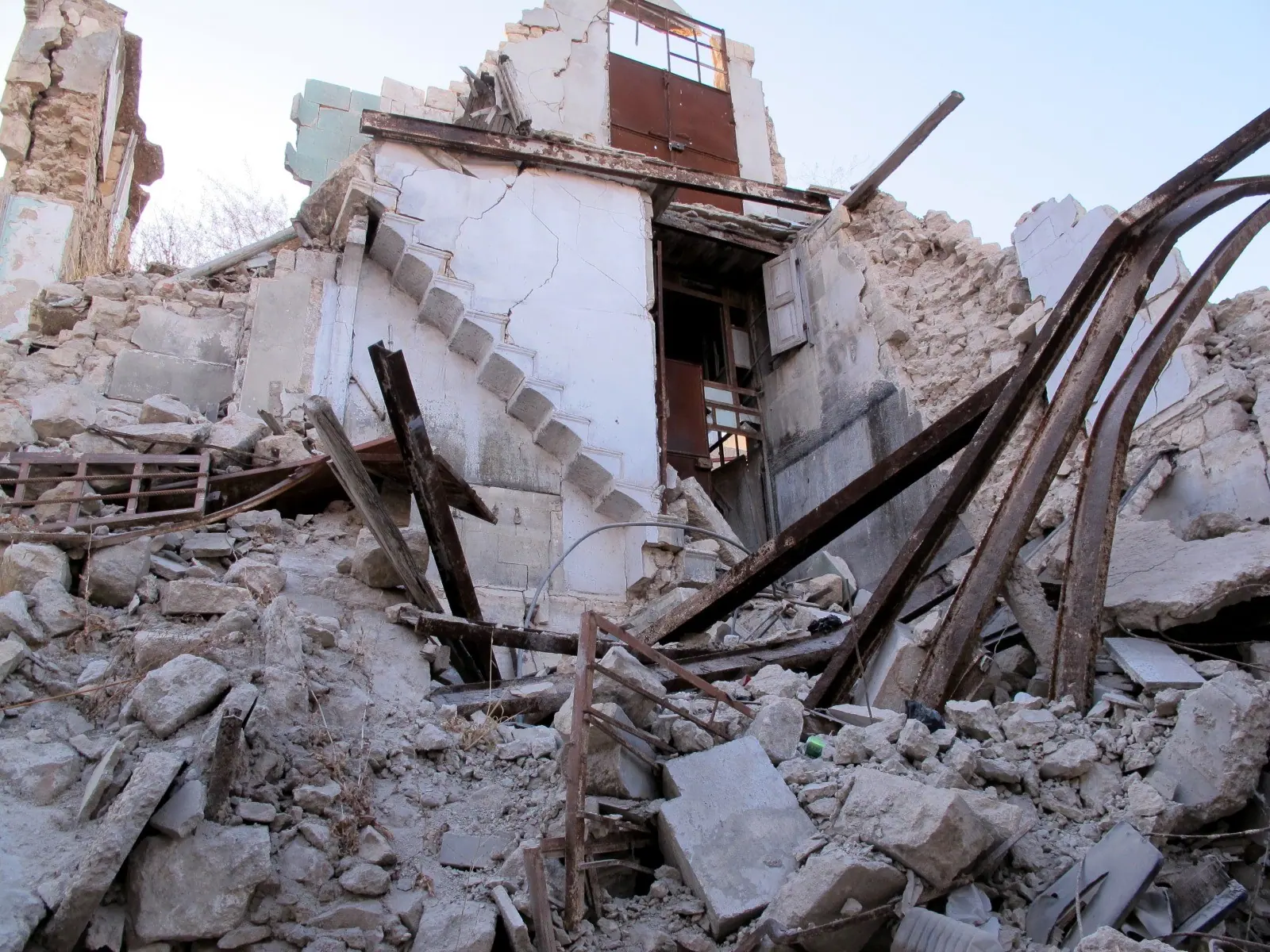
Aleppo, 2019-10-06 – Après les bombardements russes
Aleppo · 2019Cagibi54 · CC BY-SA 4.0 · Wikimedia Commons
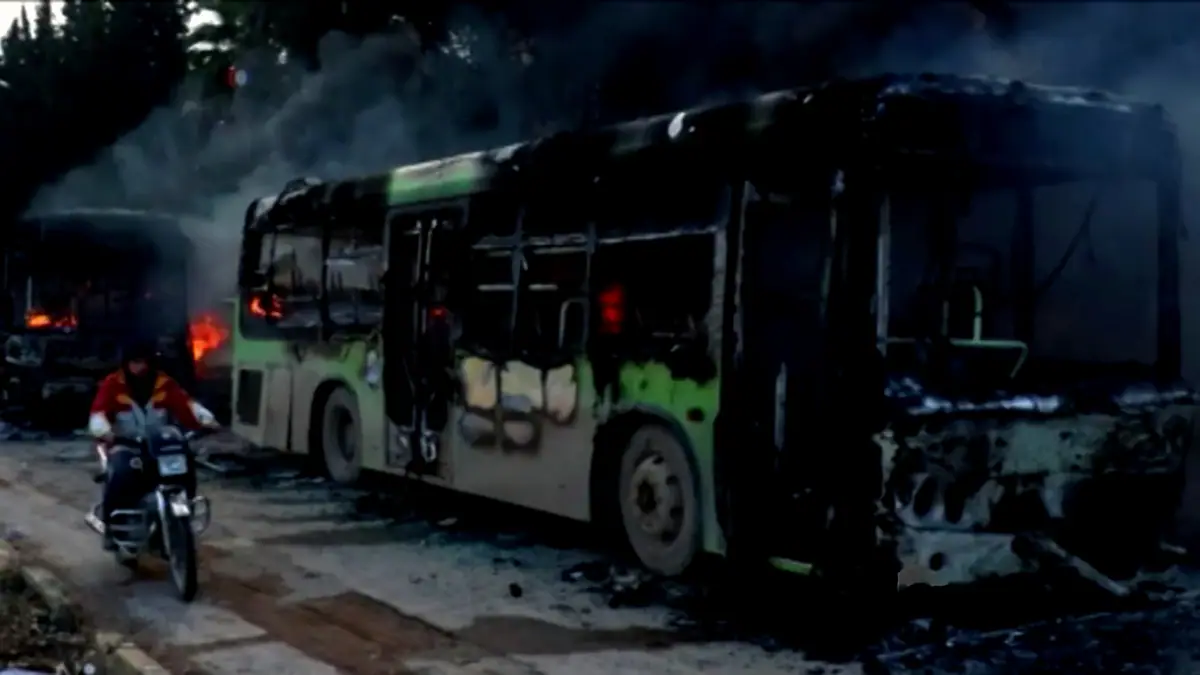
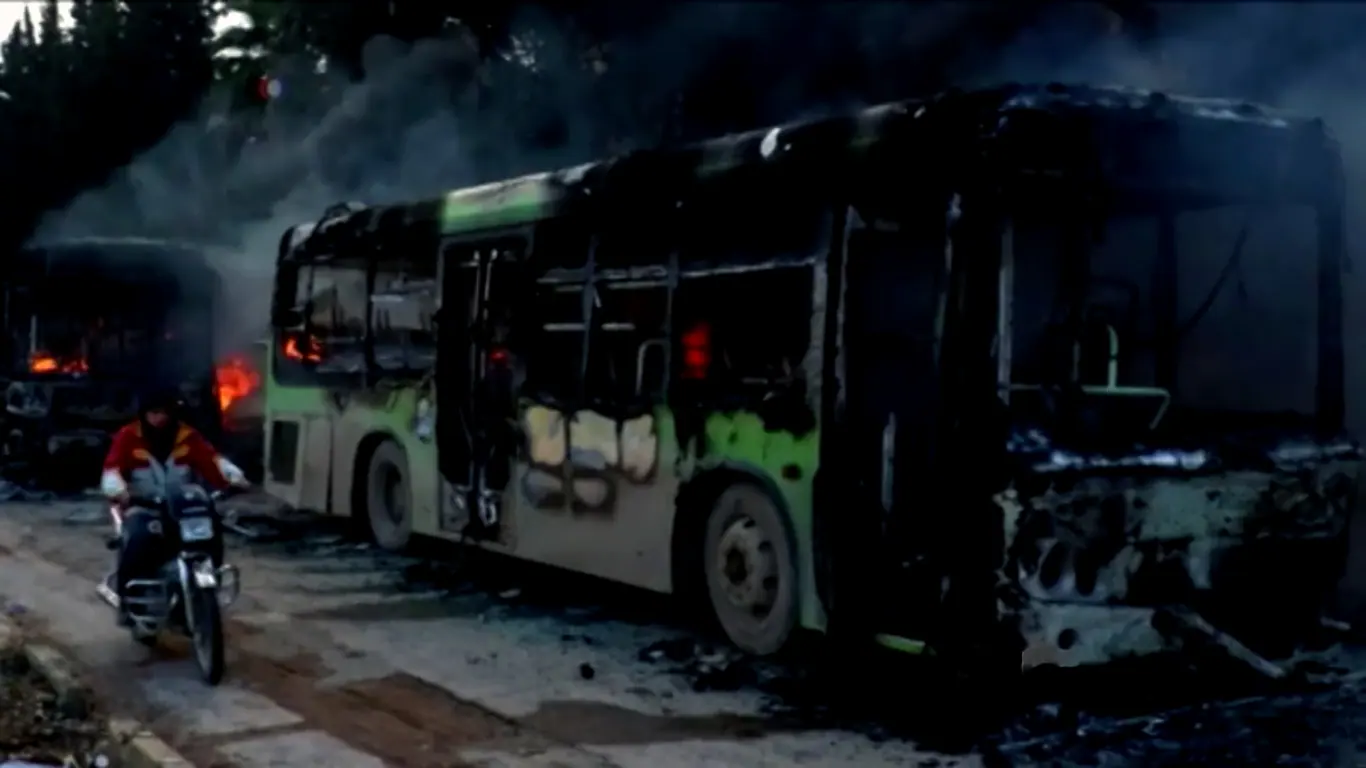
Aleppo, 2016-12-25 – During the evacuation, rebel factions burnt buses meant to evacuate sick and elderly civilians from Aleppo.
Aleppo · 2016VOA News · Public domain · Wikimedia Commons
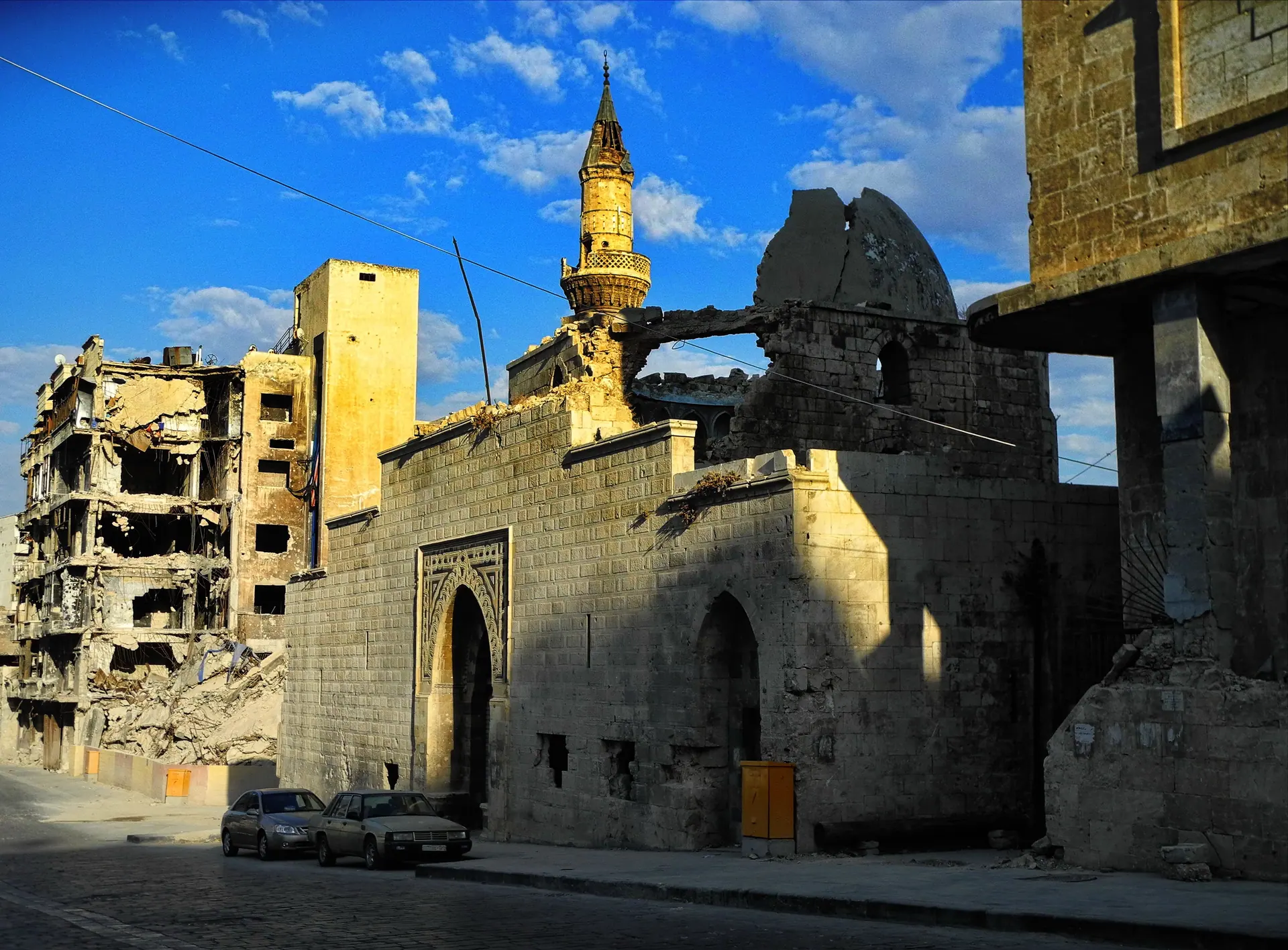
Old City of Aleppo, 2018-08-08
Old City of Aleppo · Aleppo · 2018Modar al mulla · CC BY-SA 4.0 · Wikimedia Commons
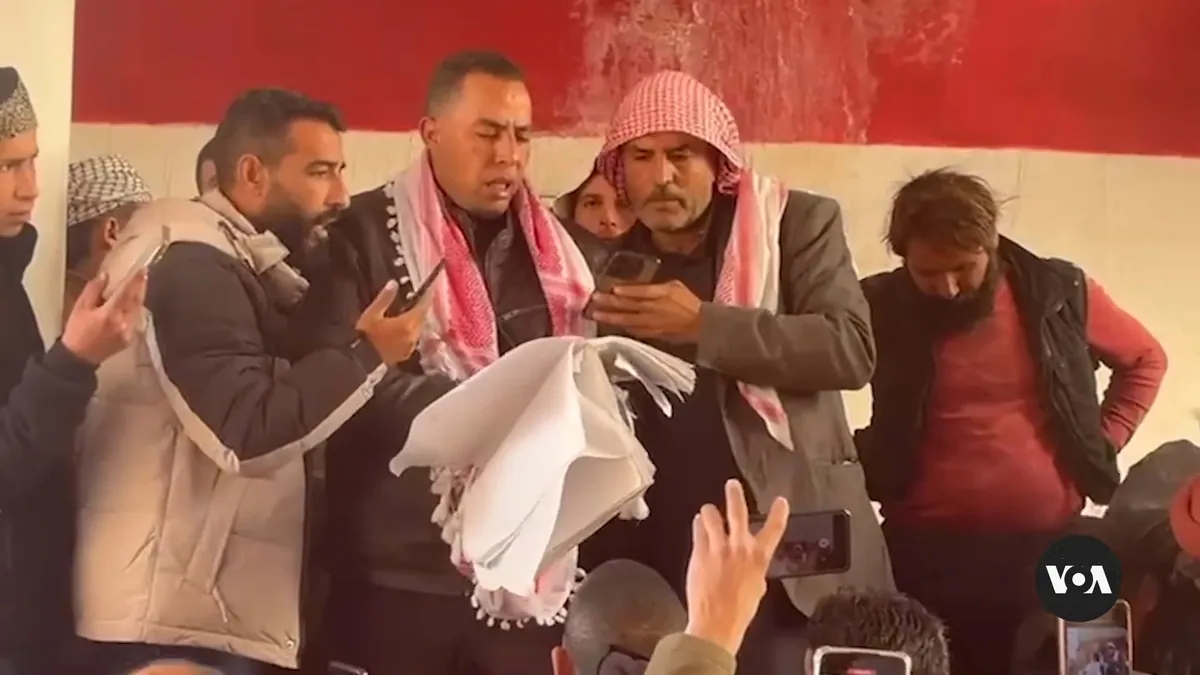
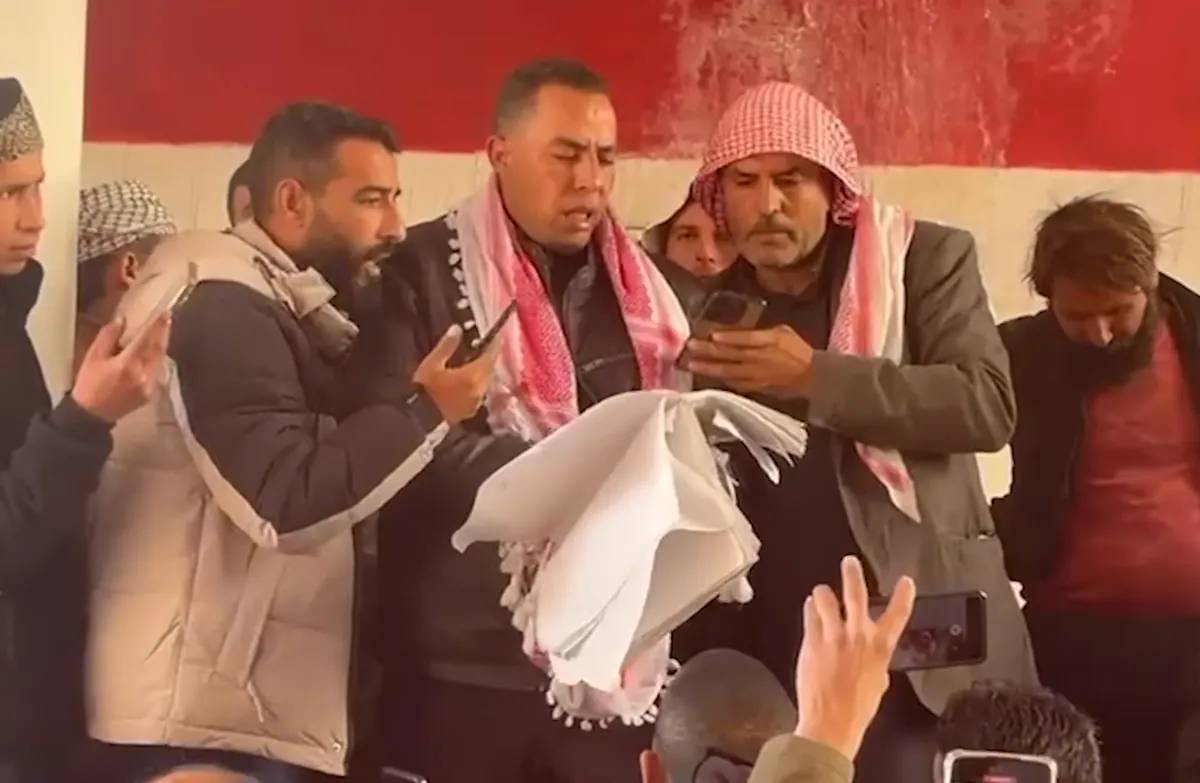
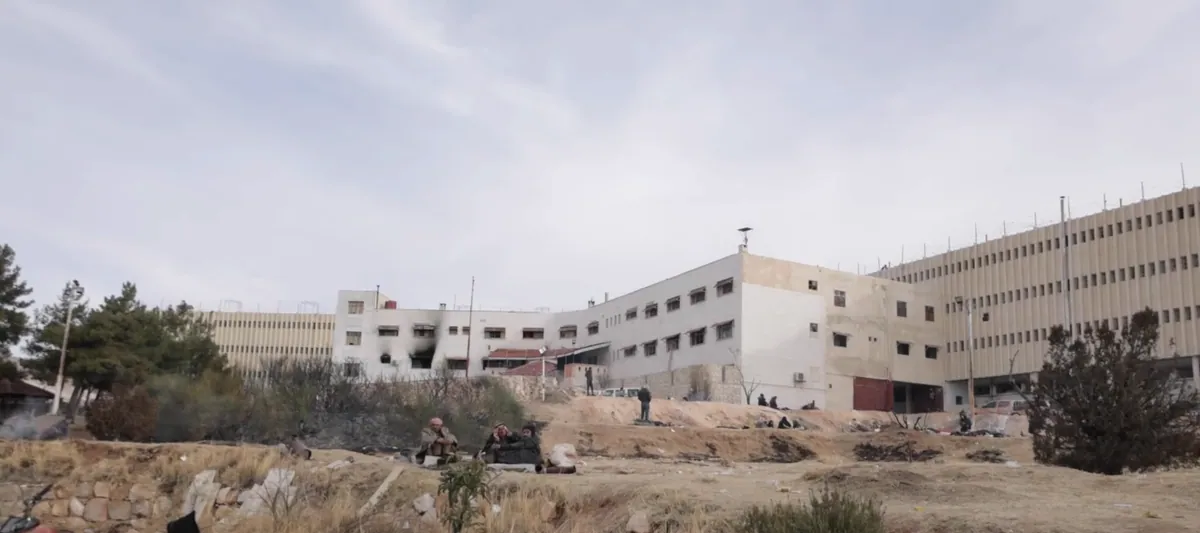
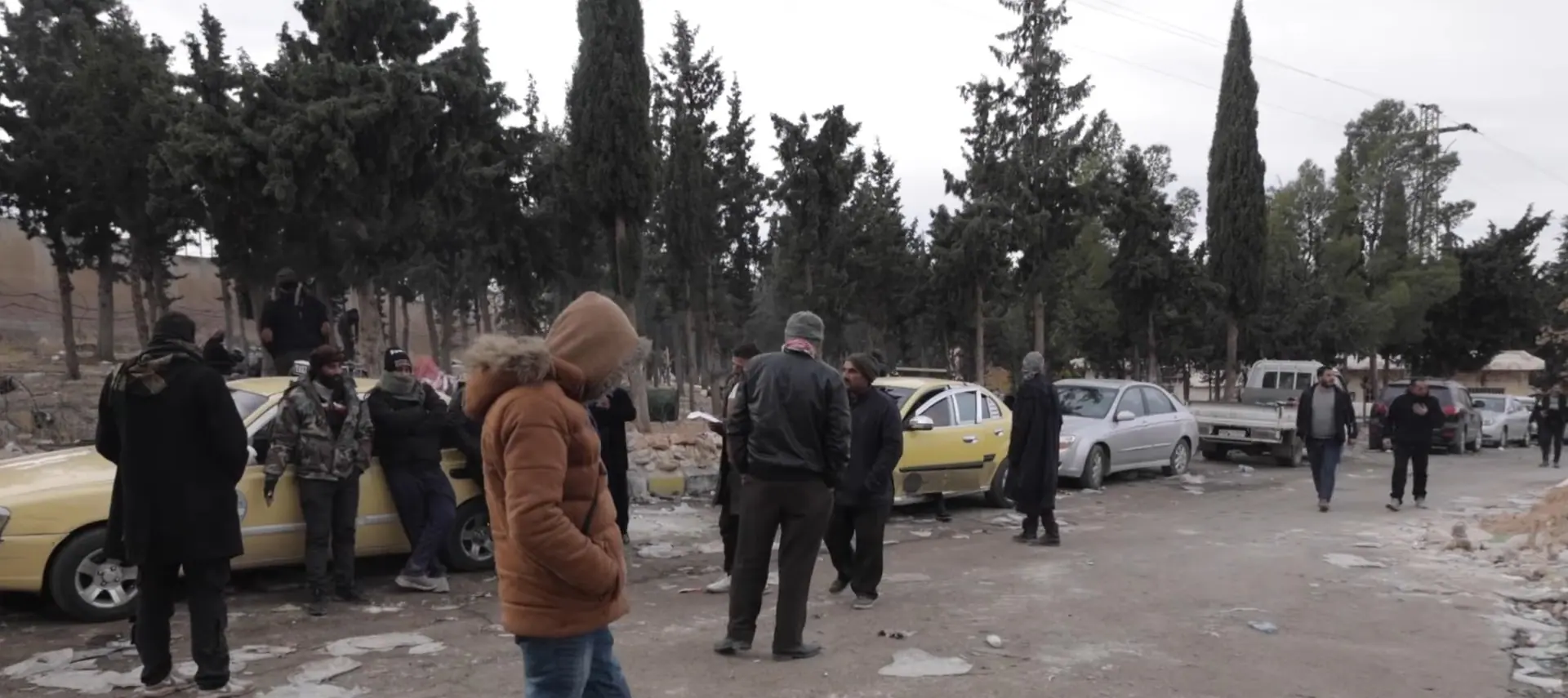
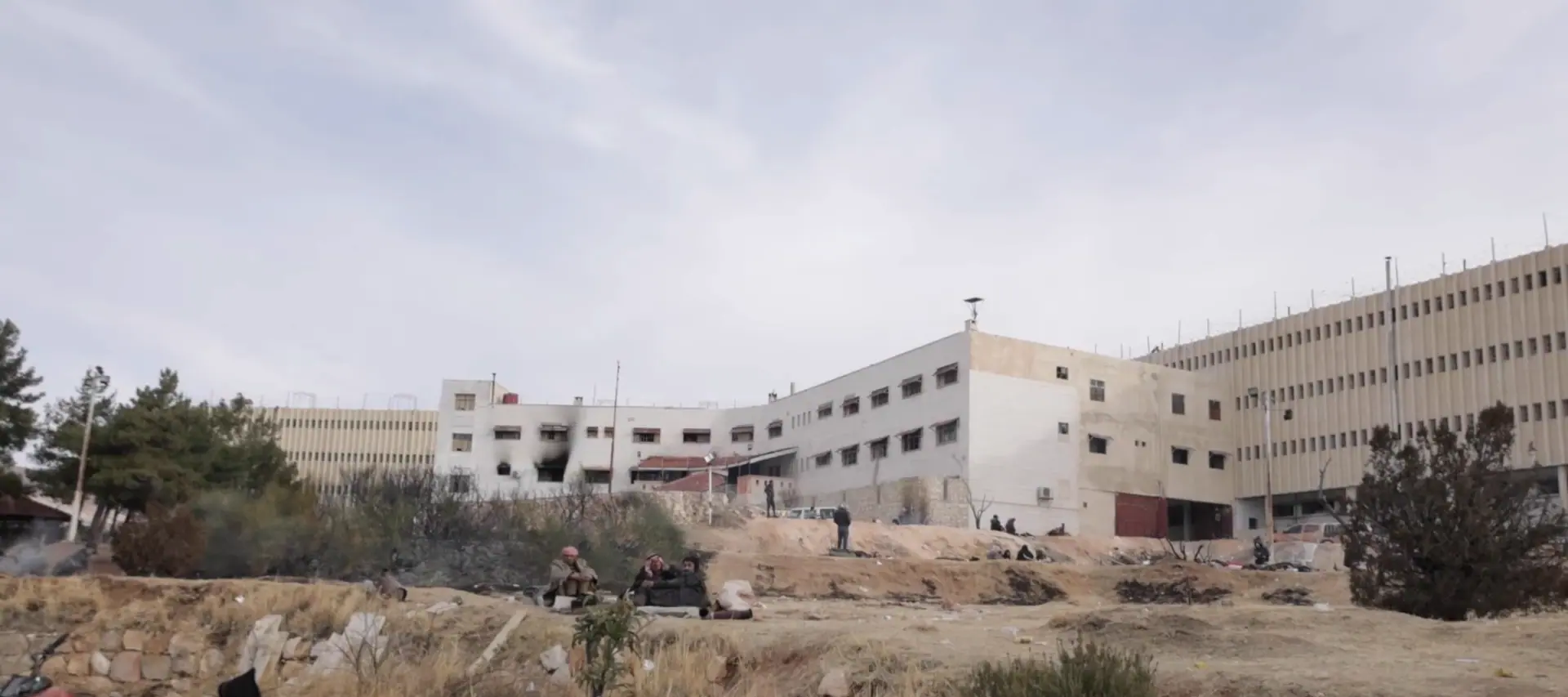
Sednaya, 18 December – Assad's Sednaya prison often last stop in Syrian families’ search
Sednaya · Rif DimashqVoice of America · Public domain · Wikimedia Commons
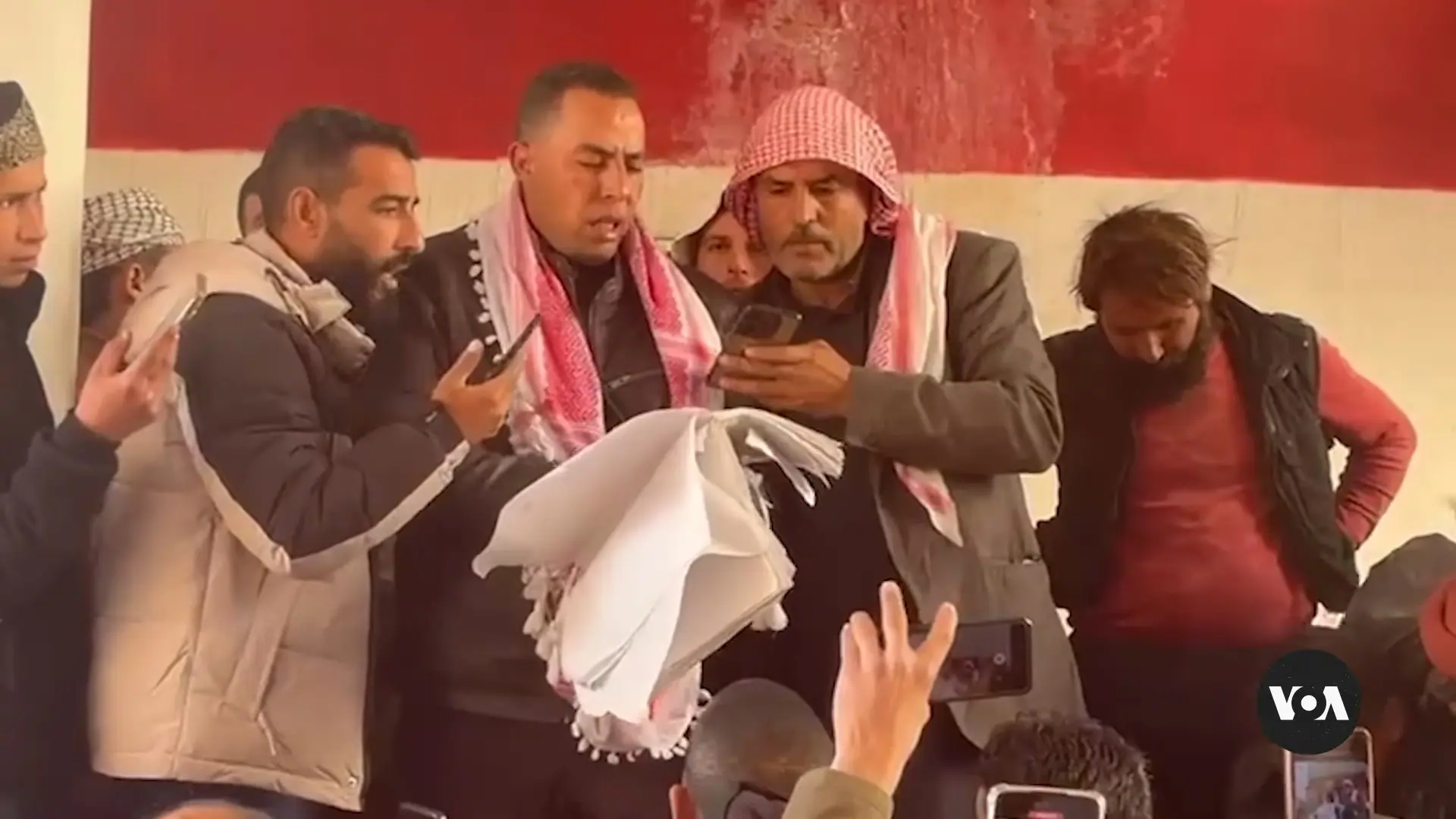
Sednaya, 2024-12-12 – A person reads Sednaya Prison records in search of missing persons, Damascus, Syria.
Sednaya · Rif Dimashq · 2024Voice of America · Public domain · Wikimedia Commons
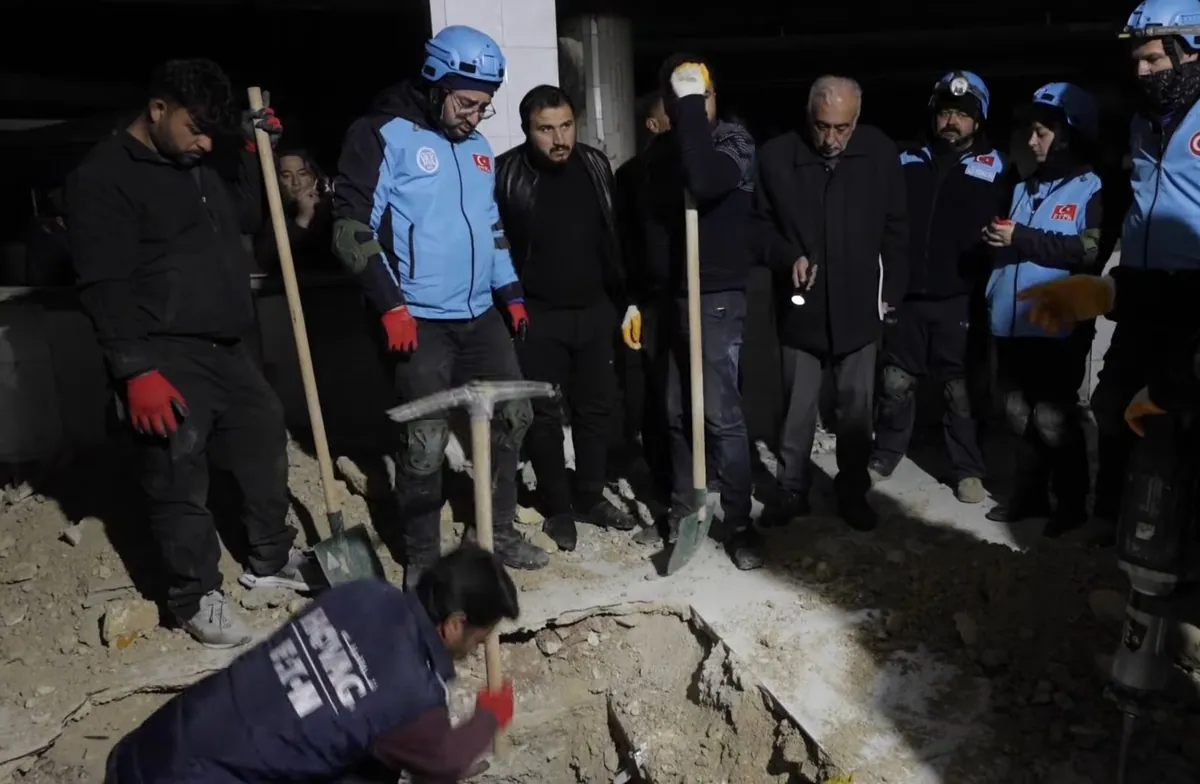
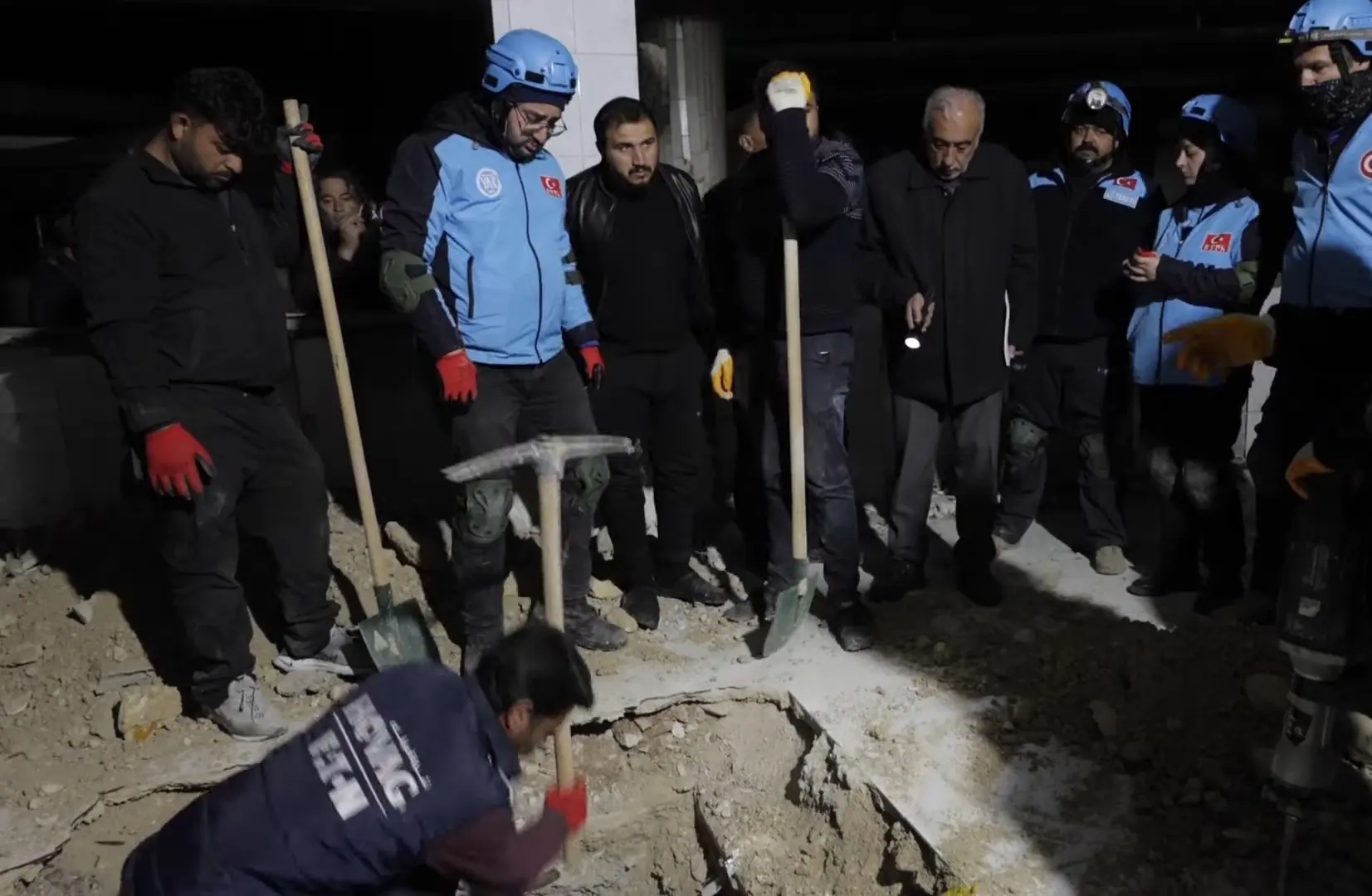
Sednaya, 2024-12-18 – Turkish rescue teams fight against time at Sednaya Prison. Digging through the concrete floors to go to the lower levels at Sednaya prison
Sednaya · Rif Dimashq · 2024Voice of America · Public domain · Wikimedia Commons
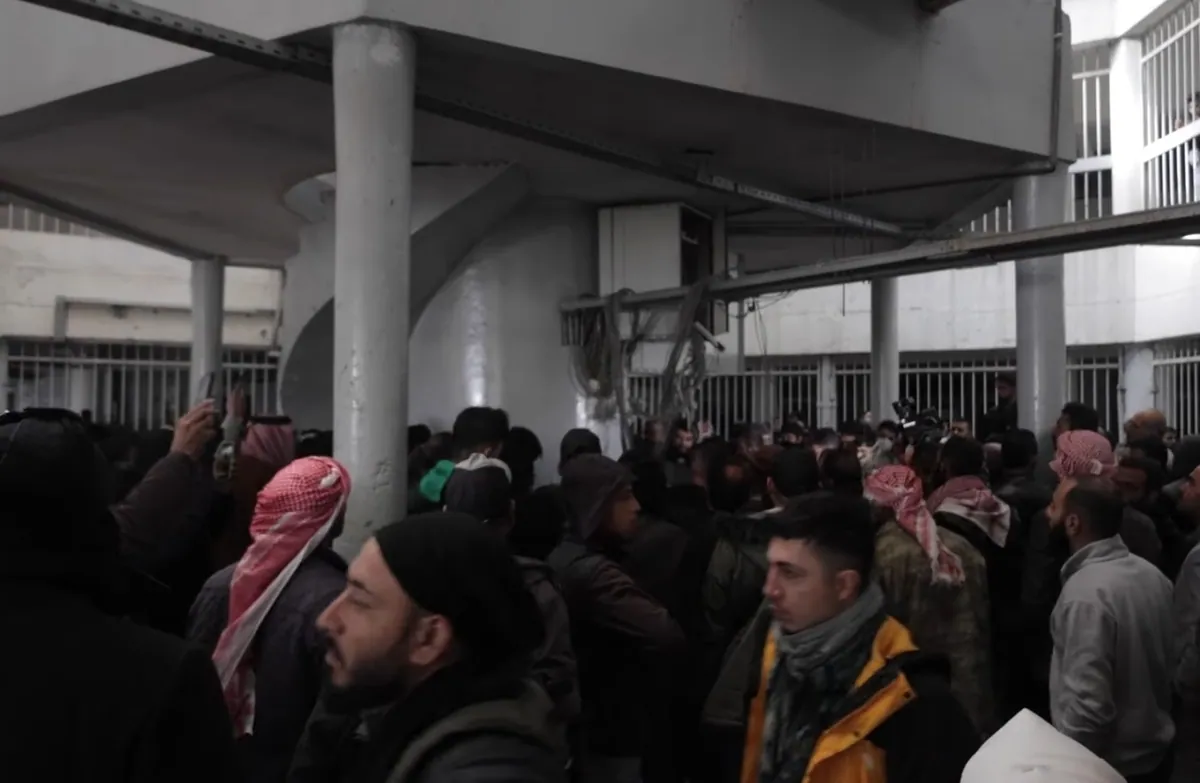
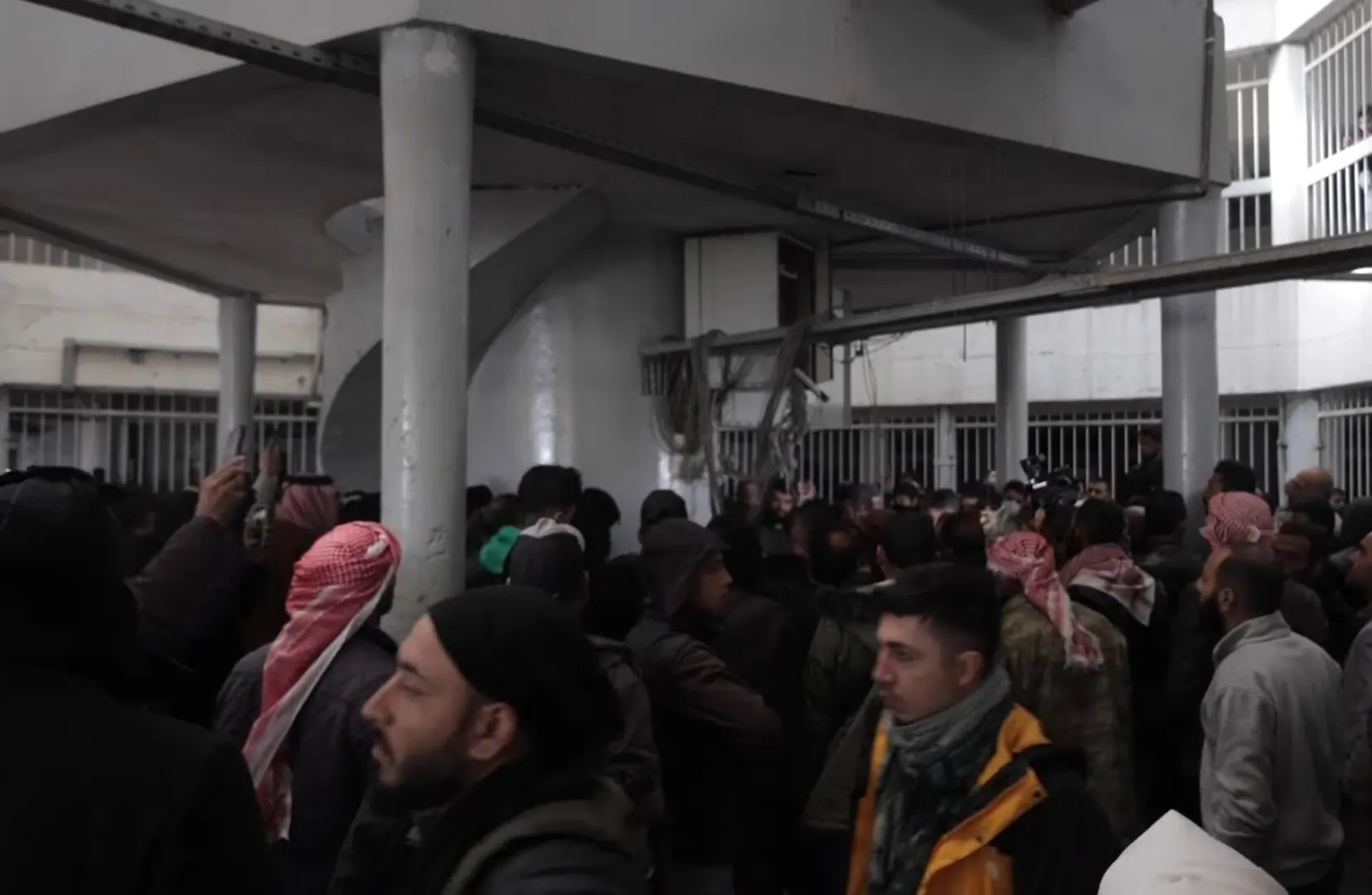
Sednaya, 2024-12-18 – Syrians citizens flock Sednaya Prison to help search effort
Sednaya · Rif Dimashq · 2024Voice of America · Public domain · Wikimedia Commons
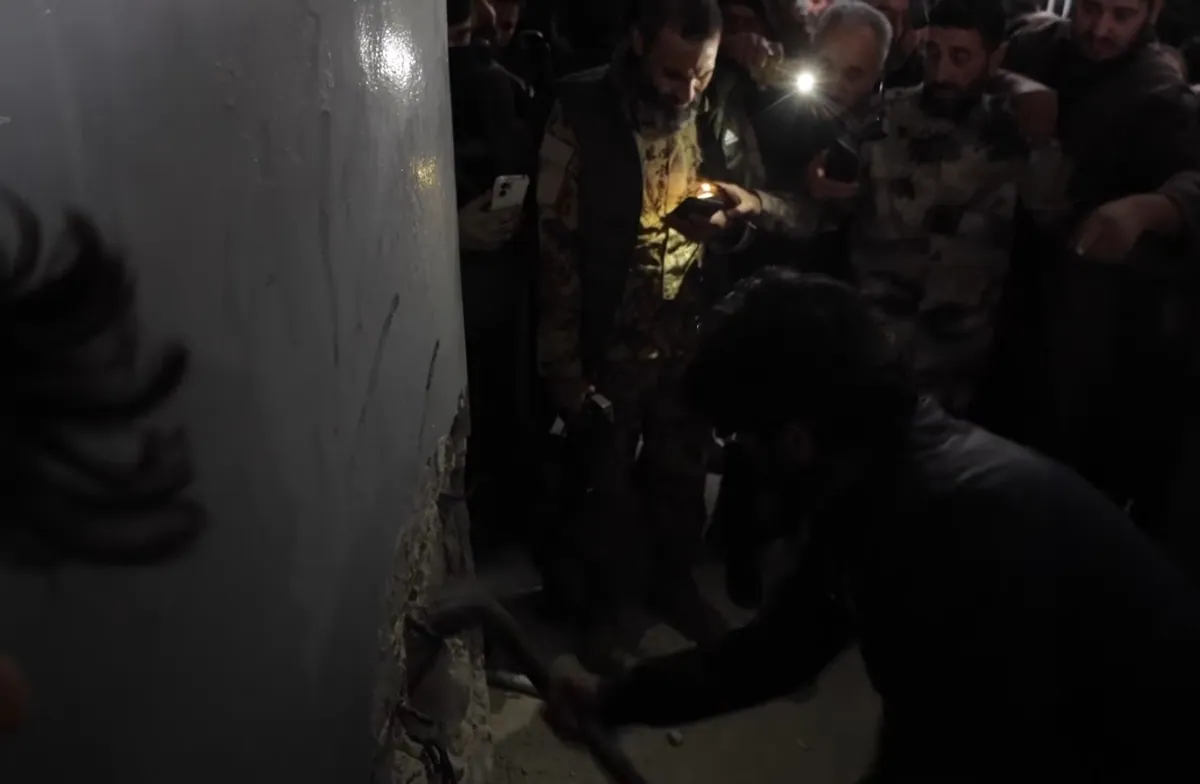
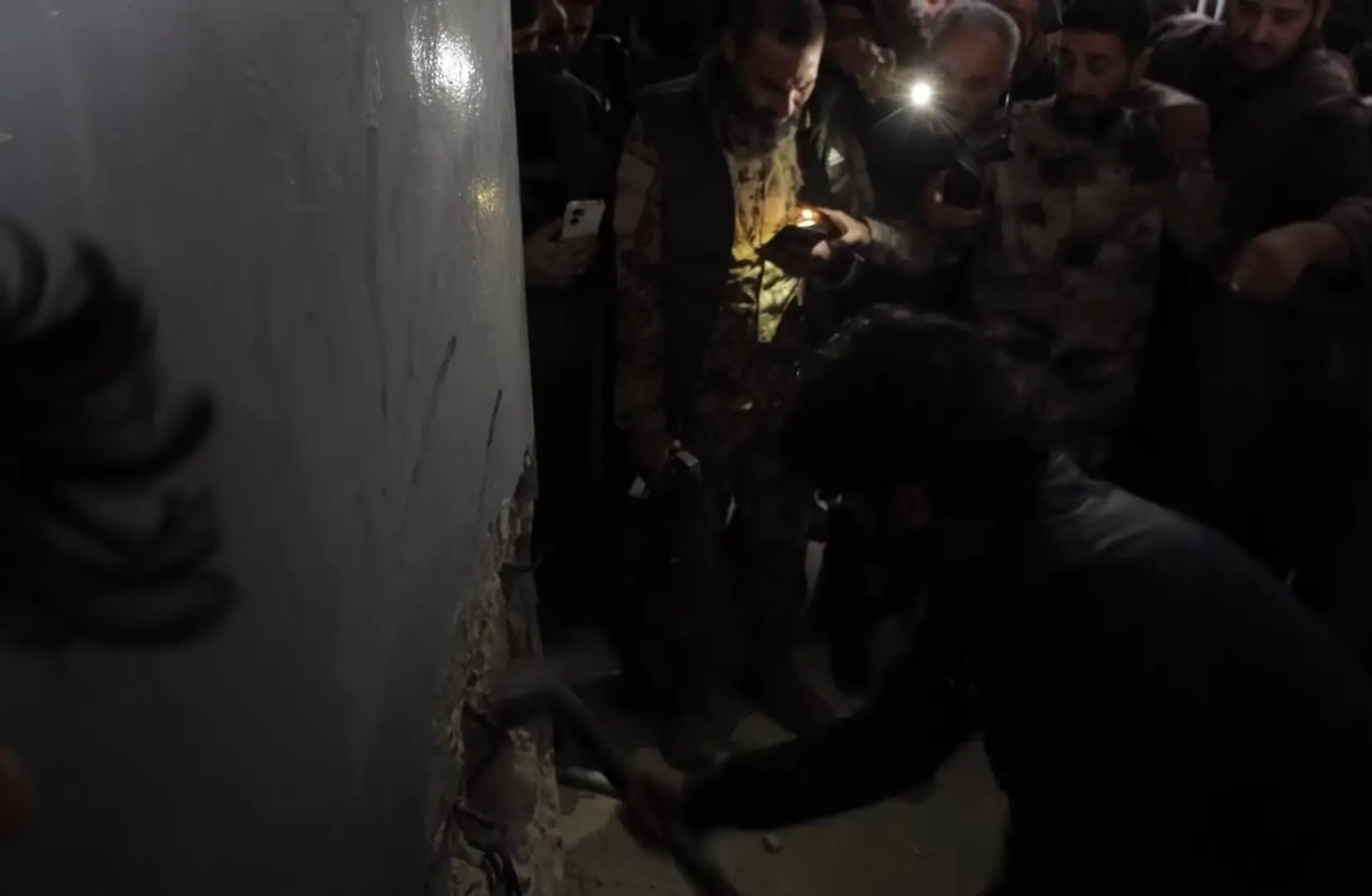
Sednaya, 2024-12-18 – Man attempts to make a hole through concrete at Sednaya Prison to find enclosed rooms
Sednaya · Rif Dimashq · 2024Voice of America · Public domain · Wikimedia Commons
Sednaya, 2024-12-18 – Assad's Sednaya prison often last stop in Syrian families’ search
Sednaya · Rif Dimashq · 2024Voice of America · Public domain · Wikimedia Commons
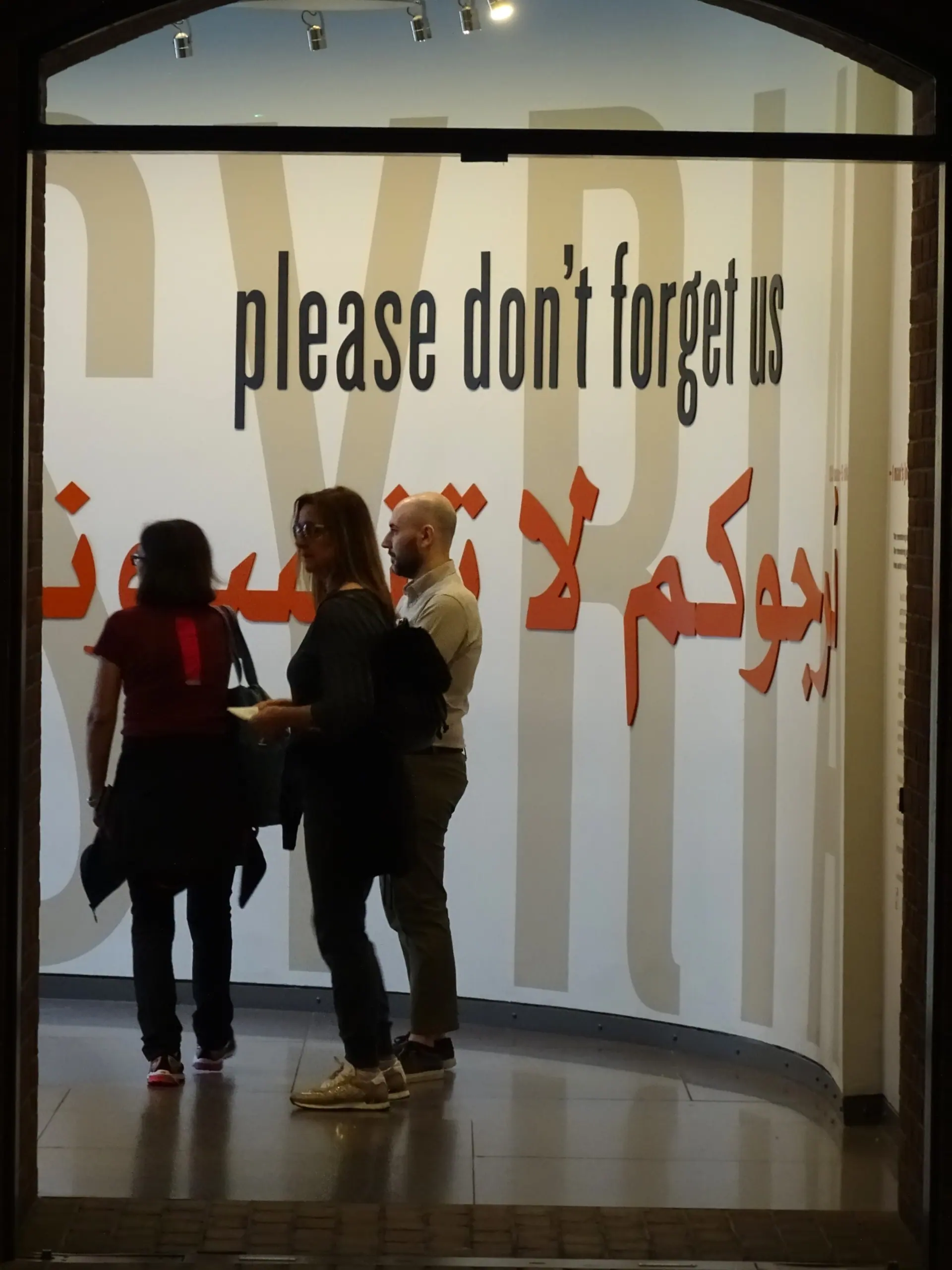
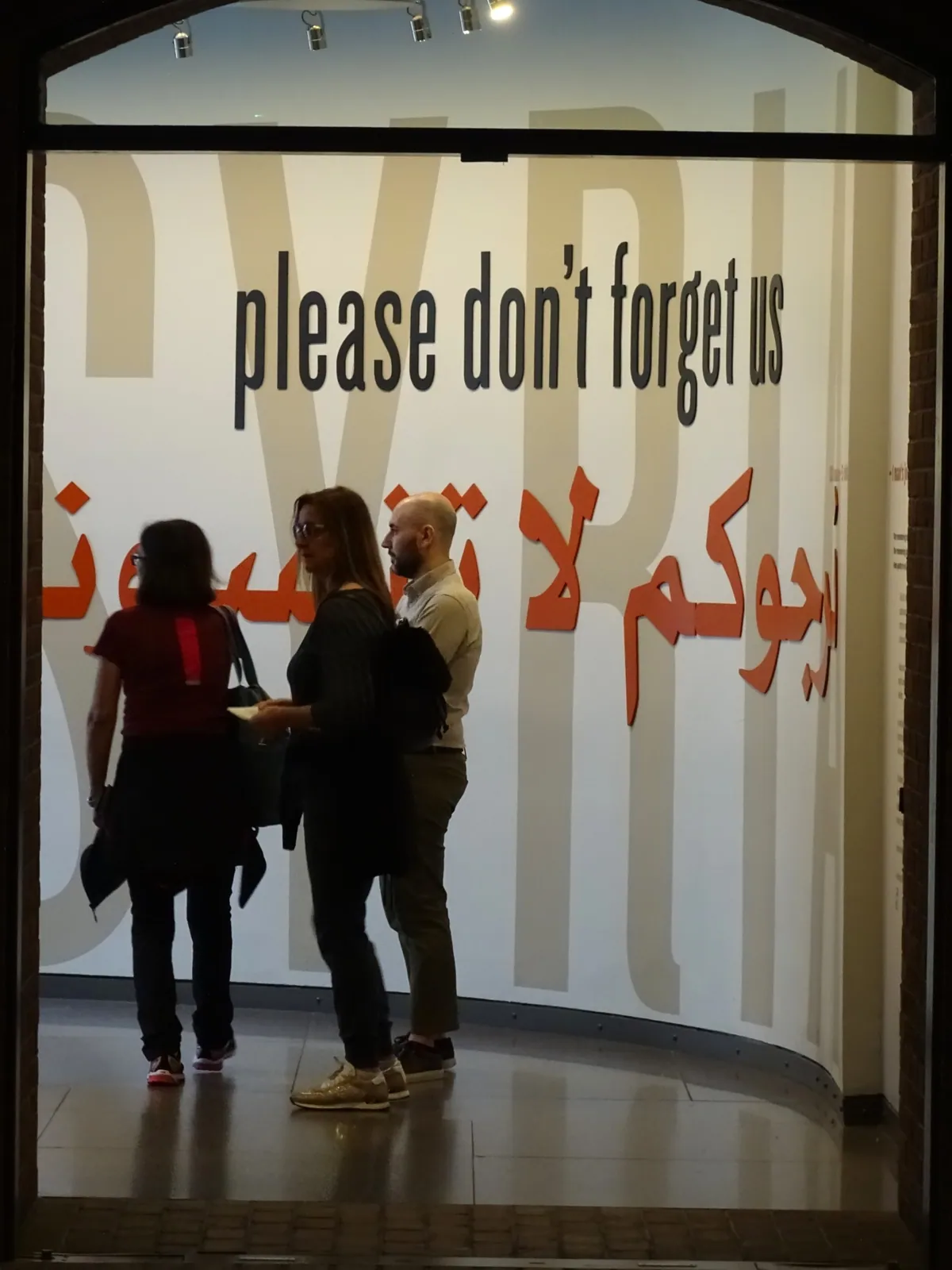
US Holocaust Memorial Museum, Washington (USA), 2019-05-04 – Please Don't Forget Us - Syria Exhibit at US Holocaust Memorial Museum - Washington - DC - USA
US Holocaust Memorial Museum, Washington · Hoa Kỳ · 2019Adam Jones from Kelowna, BC, Canada · CC BY-SA 2.0 · Wikimedia Commons

Tấn công sarin tại Ghouta

Nguồn: UN News

Tấn công sarin tại Khan Shaykhun

Nguồn: OPCW

Tấn công bằng khí clo tại Douma (được quy cho Không quân Ả Rập Syria)

Nguồn: The Spokesman-Review / Associated Press
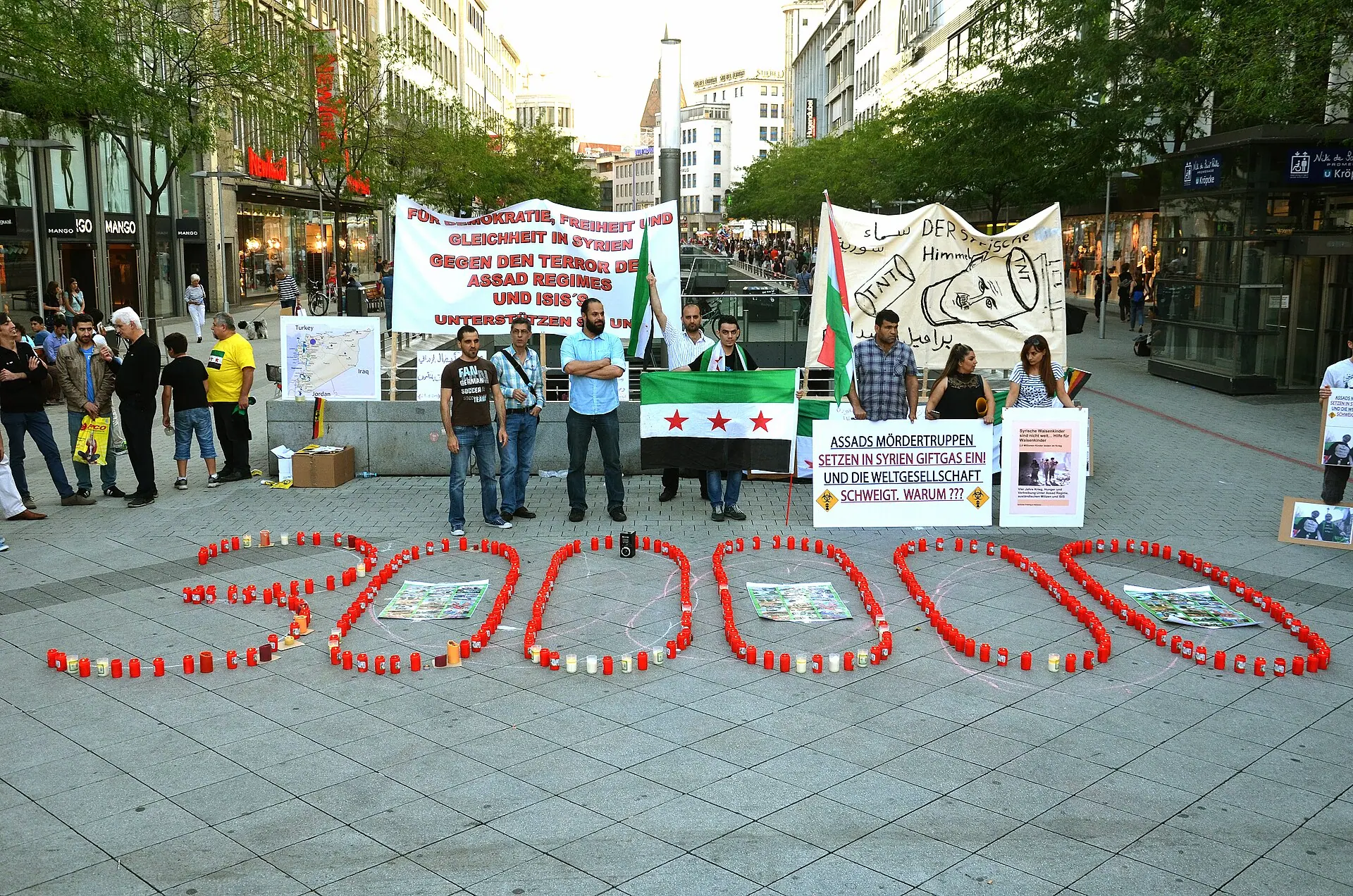
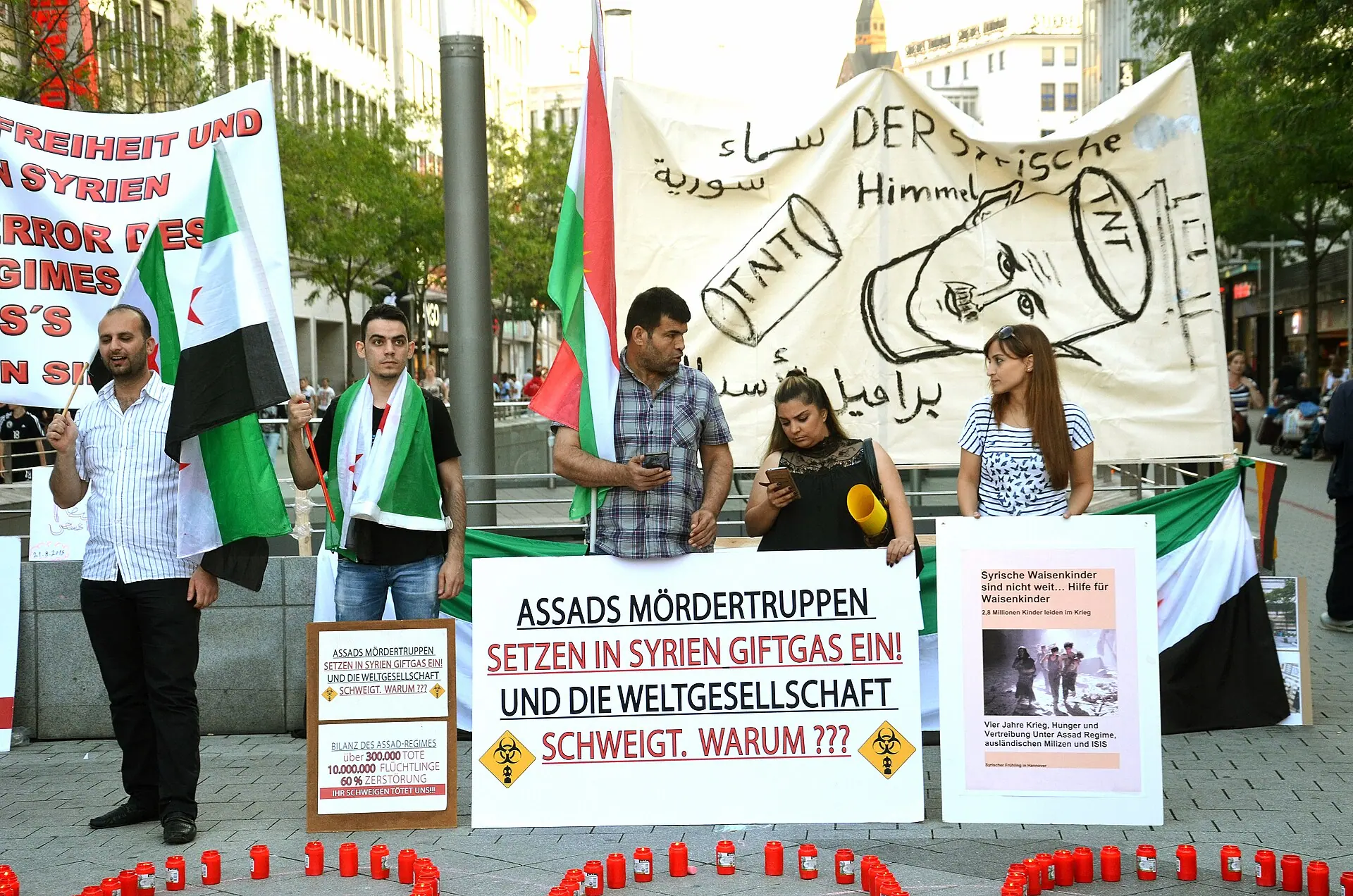
Hannover (Deutschland), 2015-08-21 – On August, 21th 2015 members of the Syrian community of Hannover remembered to the Ghouta chemical attack during the Syrian Civil War ...
Hannover · Đức · 2015Foto: Bernd Schwabe · CC BY-SA 4.0 · Wikimedia Commons
Hannover (Deutschland), 2015-08-21 – On August, 21th 2015 members of the Syrian community of Hannover remembered to the Ghouta chemical attack during the Syrian Civil War ...
Hannover · Đức · 2015Foto: Bernd Schwabe · CC BY-SA 4.0 · Wikimedia Commons
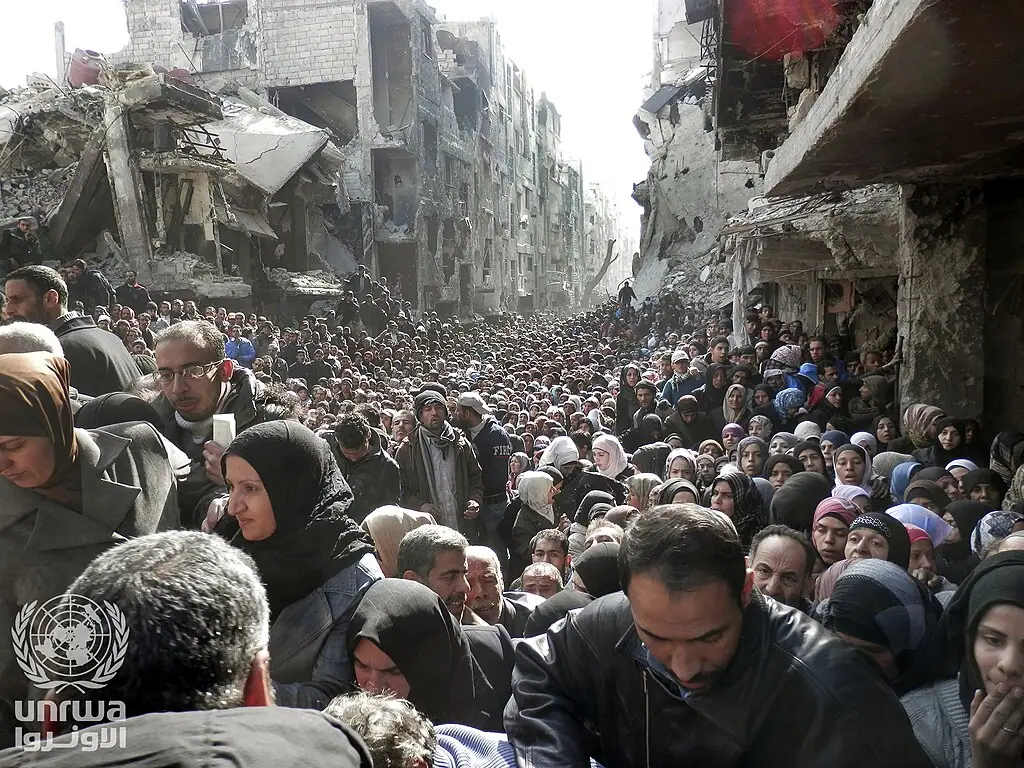
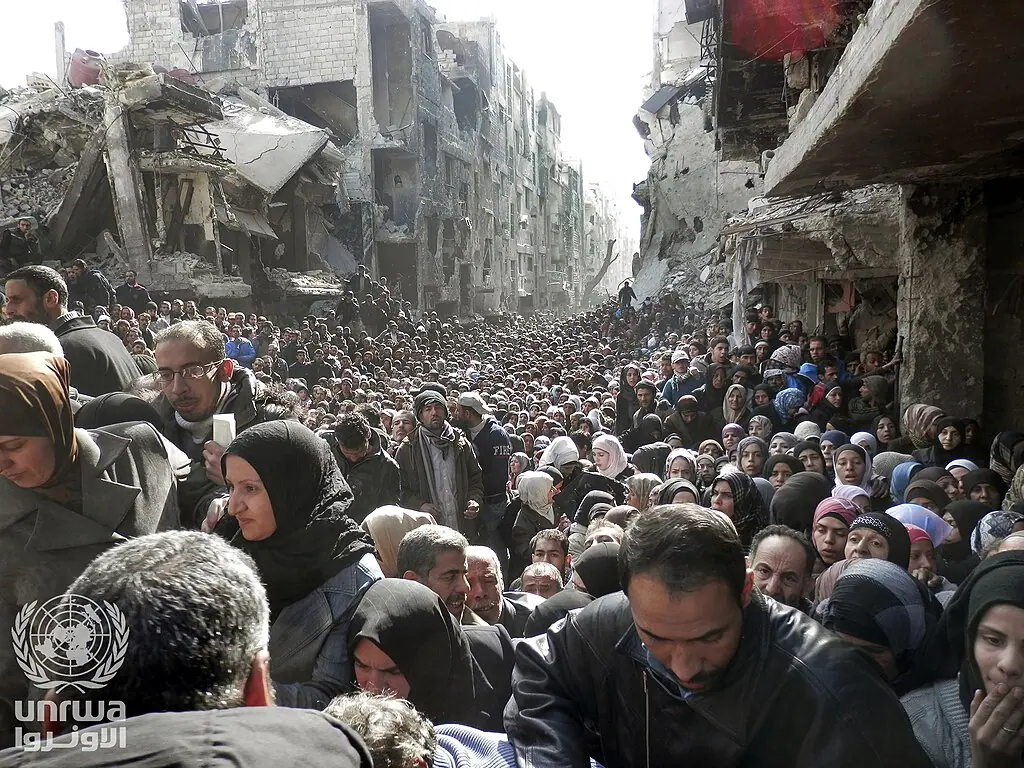
Yarmouk (Damaskus), 2014-01-31 – In January 2014, UNRWA was able to complete its first humanitarian distribution in Yarmouk, Syria, after almost six months of siege. Thousan
Yarmouk · Damascus · 2014UNRWA Archive Photographer Unknown · CC BY-SA 3.0 igo · Wikimedia Commons
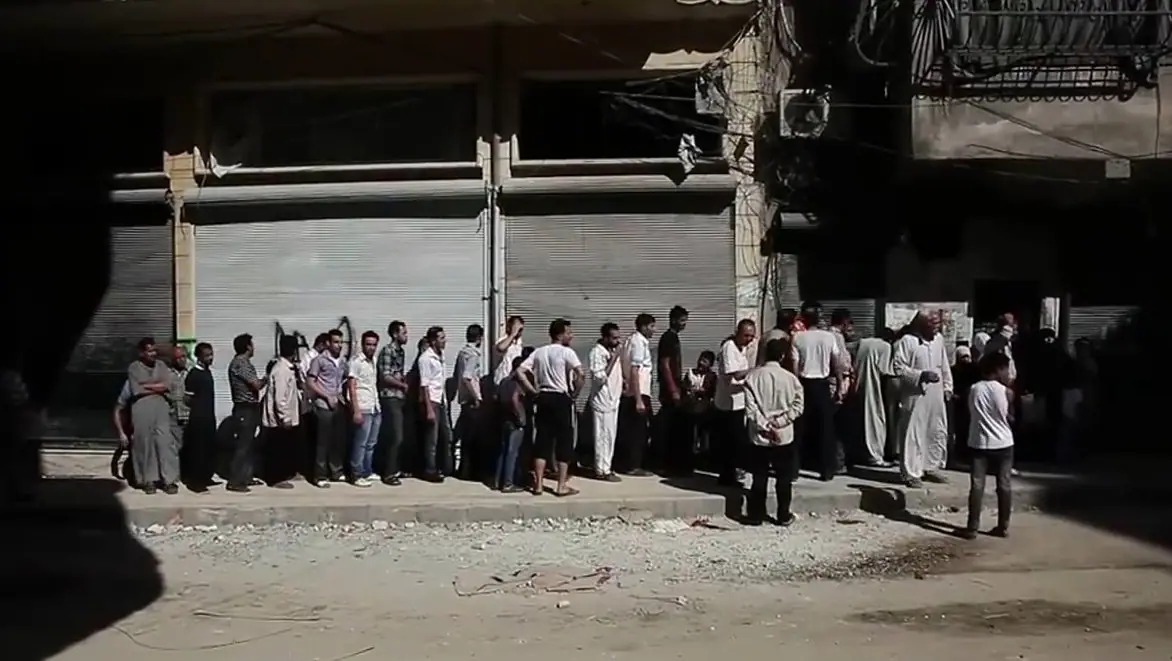
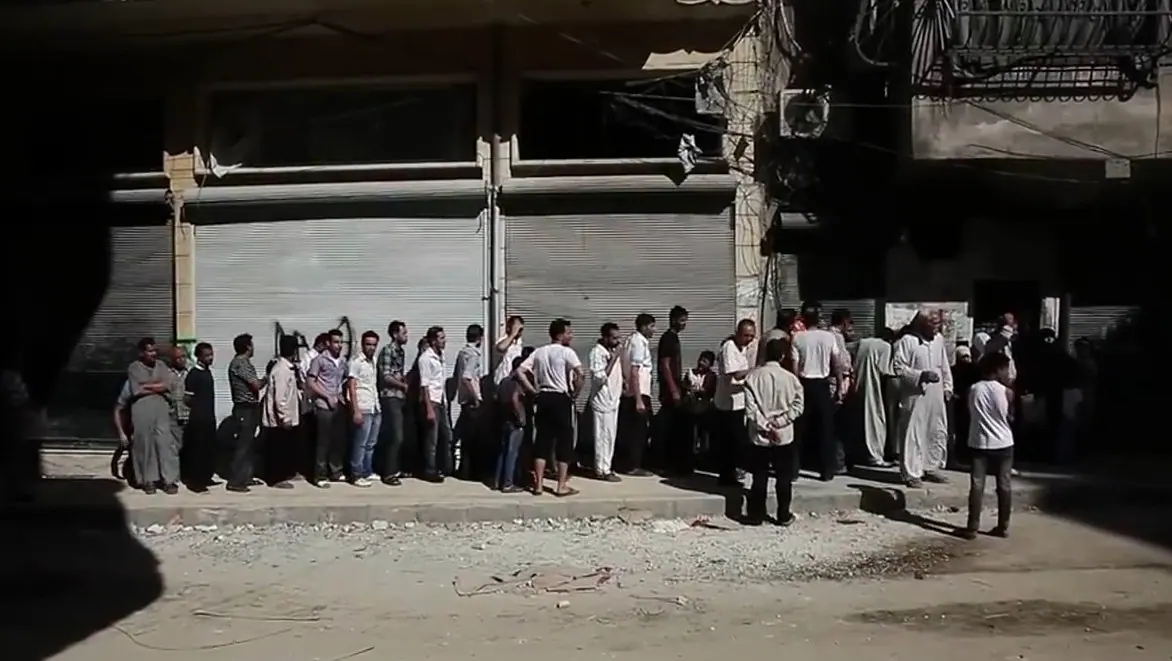
Aleppo, 2012-10-06 – Aleppians waiting in a bread line during the Syrian civil war.
Aleppo · 2012Voice of America News: Scott Bobb reports from Aleppo, Syria · Public domain · Wikimedia Commons
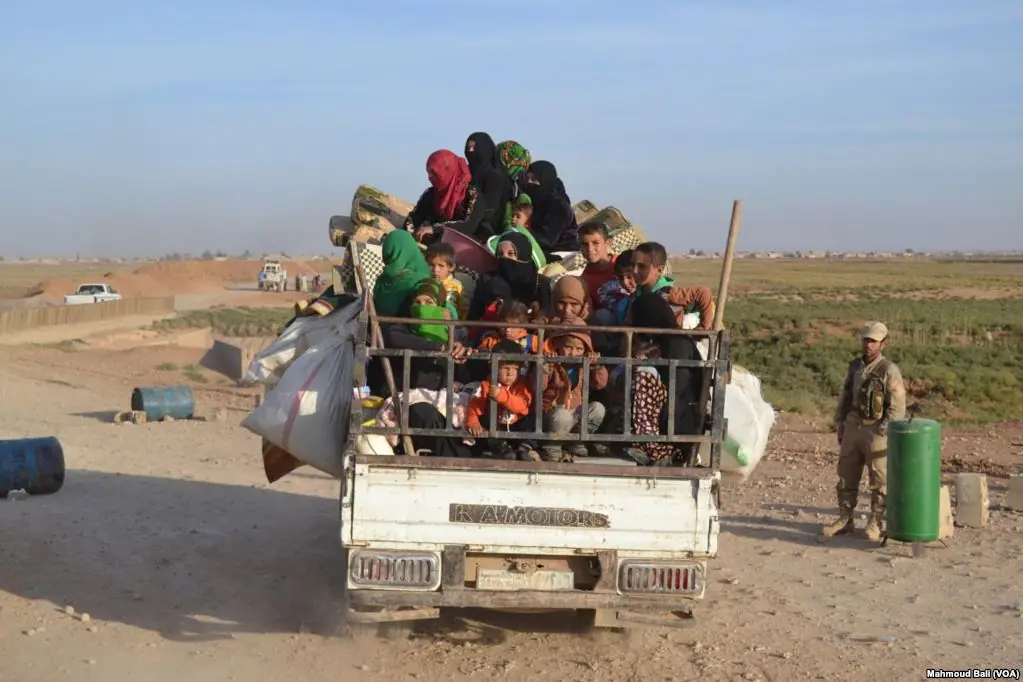
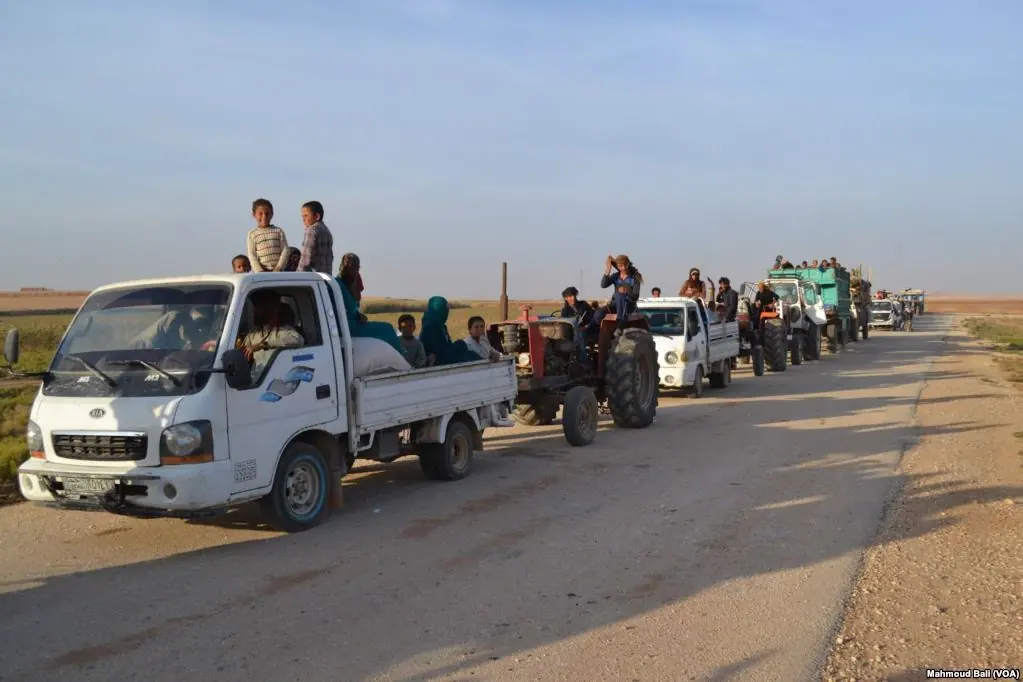
Raqqa, 2017-12-08 – Civils de Raqqa fuyant les combats, novembre 2016.
Raqqa · 2017Mahmud Balî (VOA) · Public domain · Wikimedia Commons
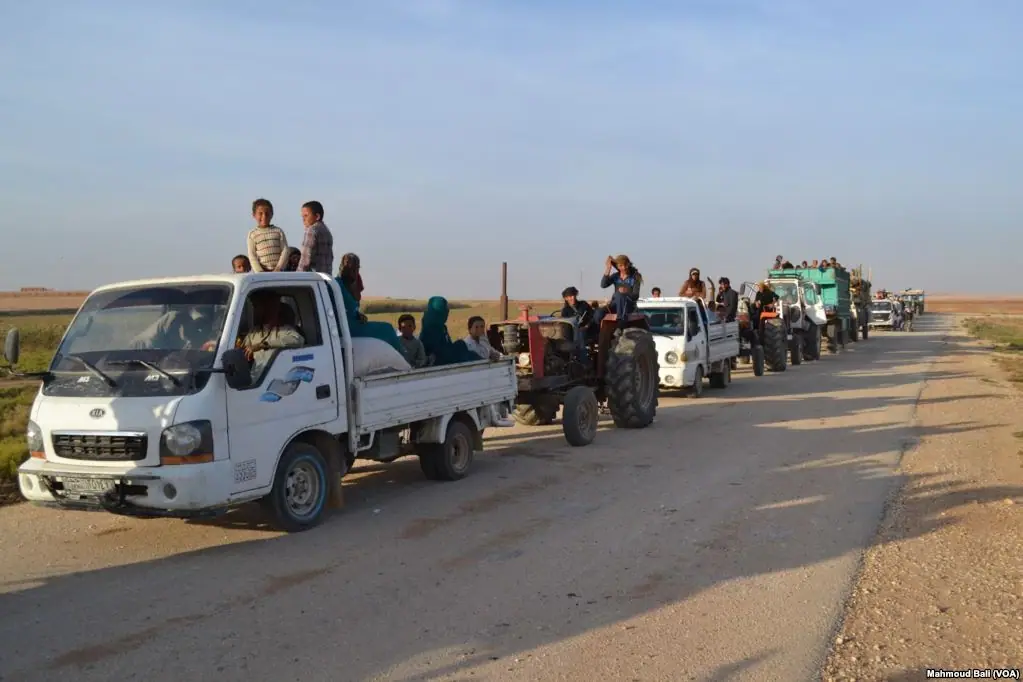
Raqqa, 2017-12-08 – Civils de Raqqa fuyant les combats, novembre 2016.
Raqqa · 2017Mahmud Balî (VOA) · Public domain · Wikimedia Commons
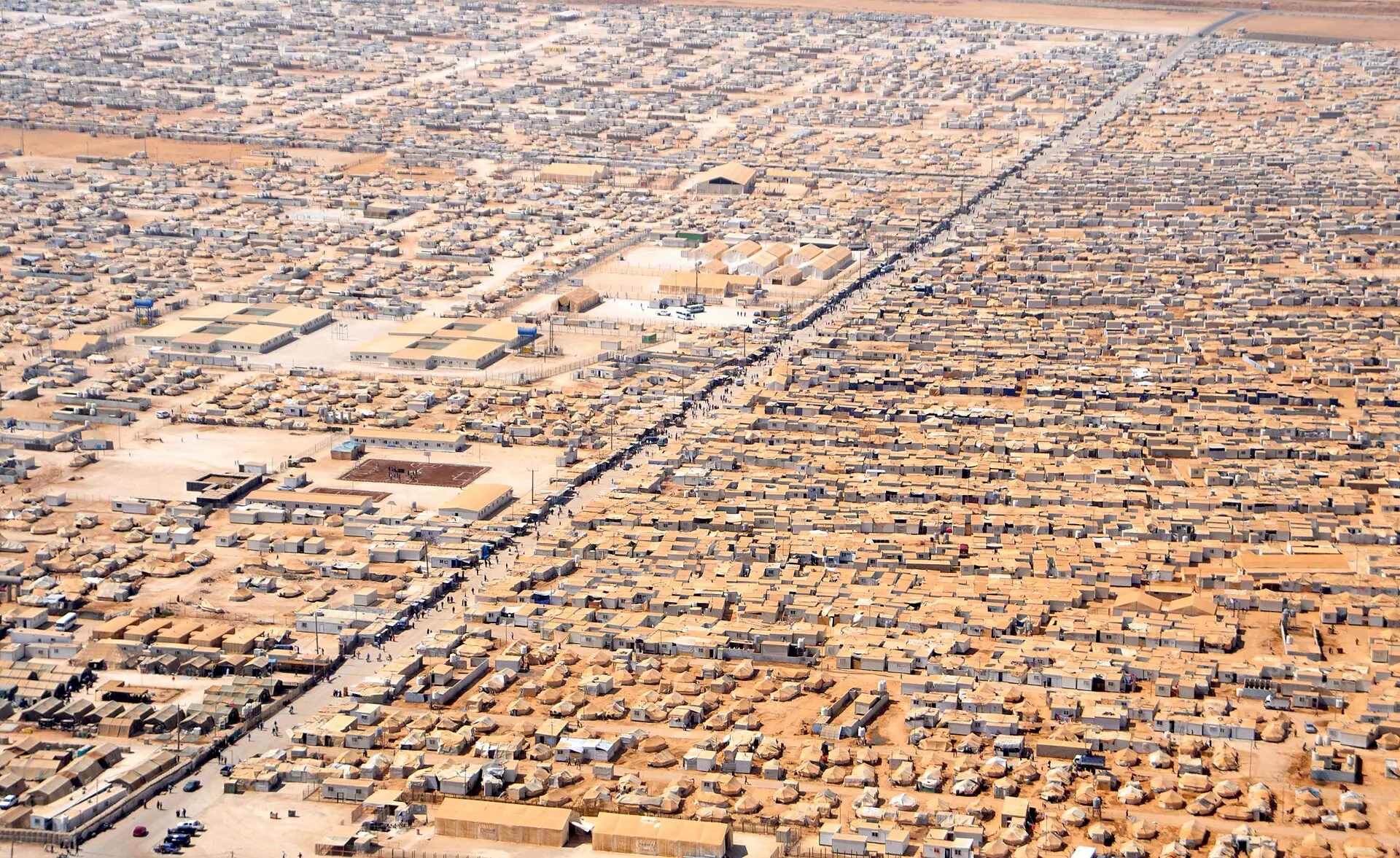
Zaatari-Lager (Jordanien), 2013-07-18 – A close-up view of the Za'atri camp in Jordan for Syrian refugees as seen on July 18, 2013, from a helicopter carrying U.S. Secretary of Sta
Zaatari-Lager · Jordan · 2013U.S. Department of State · Public domain · Wikimedia Commons
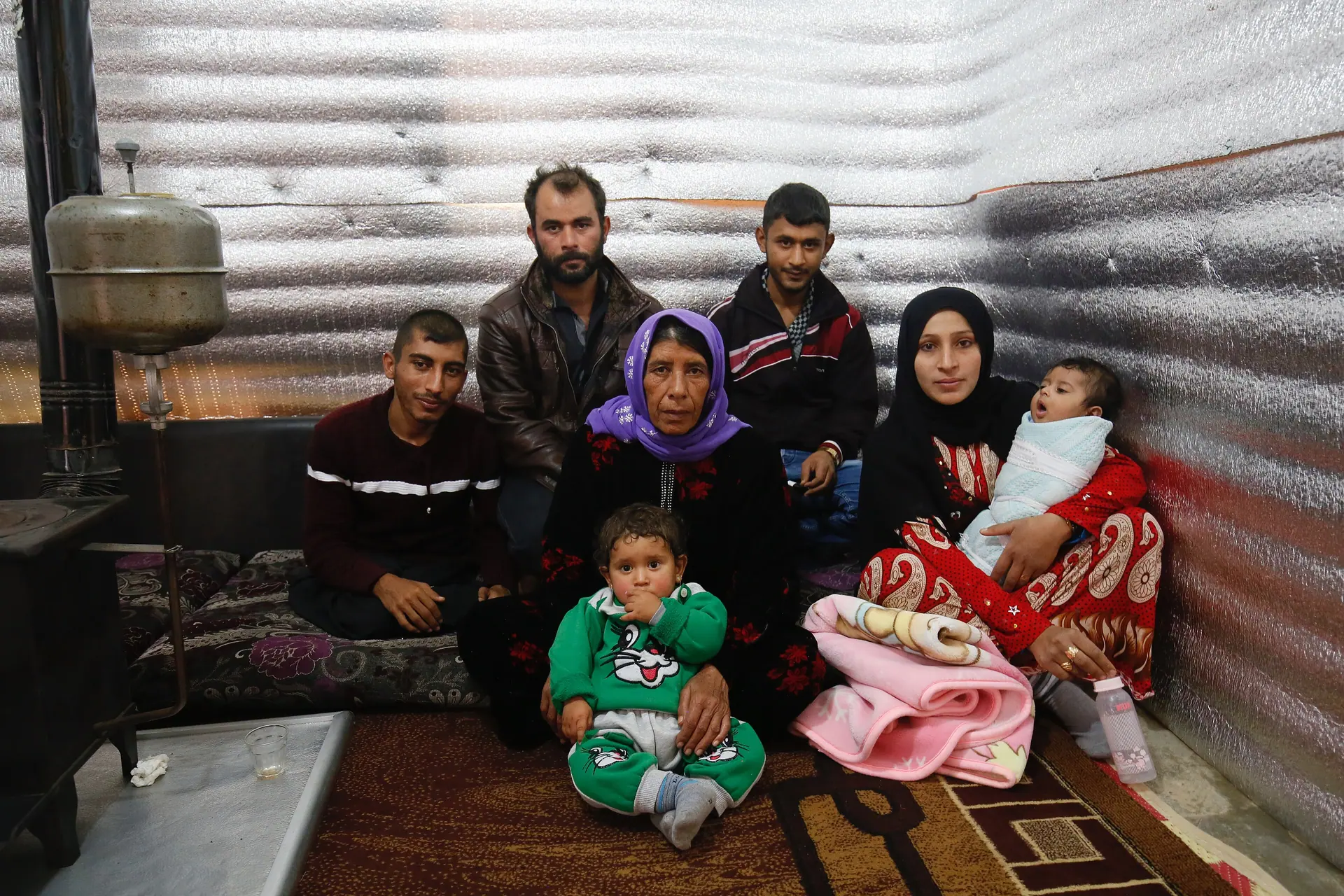
Bekaa Valley, Lebanon, 2017-01-30 – Refugees from Idlib in a camp in Lebanon's Bekaa Valley, 2017
Bekaa Valley, Lebanon · Li-băng · 2017DFID - UK Department for International Development · CC BY 2.0 · Wikimedia Commons
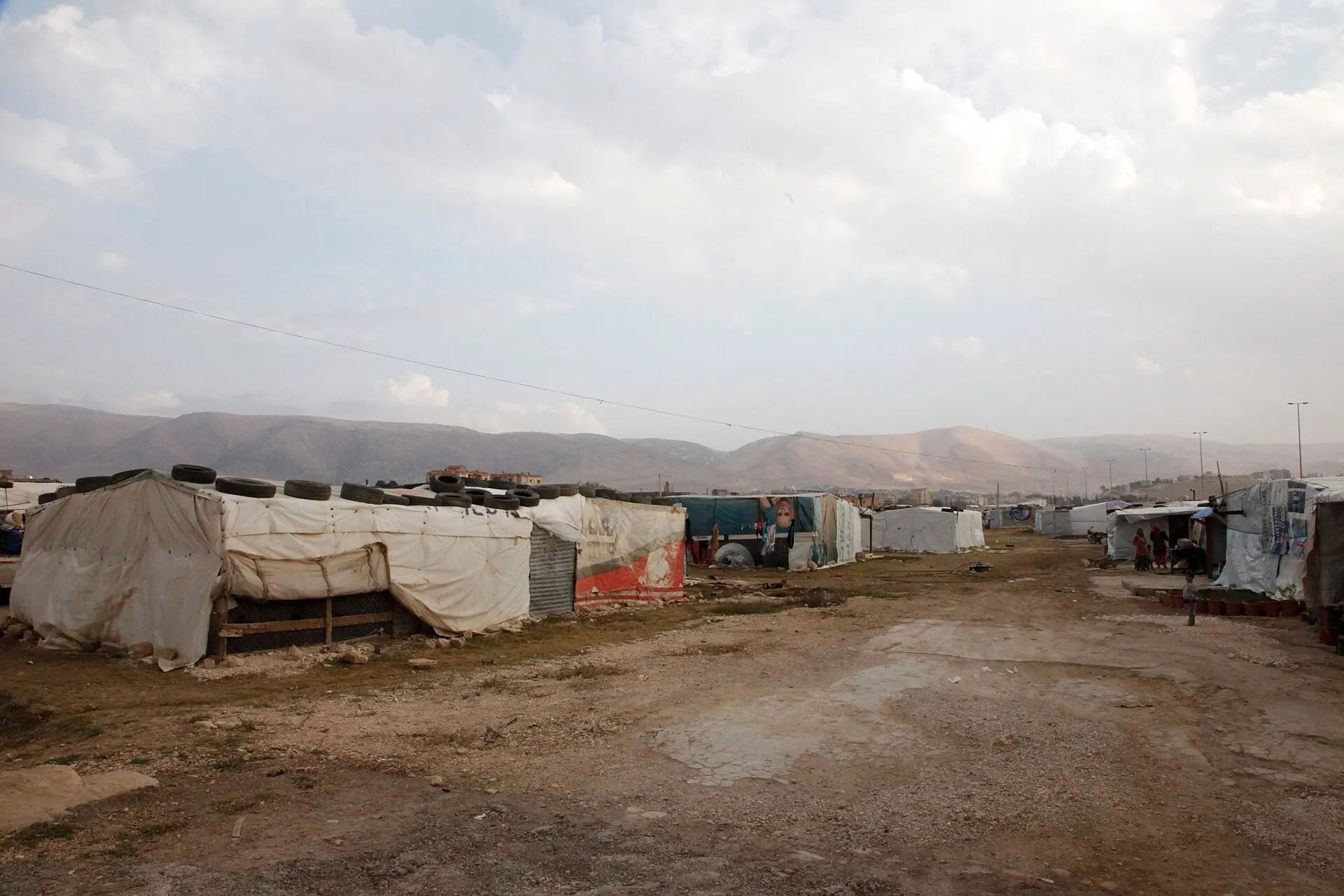
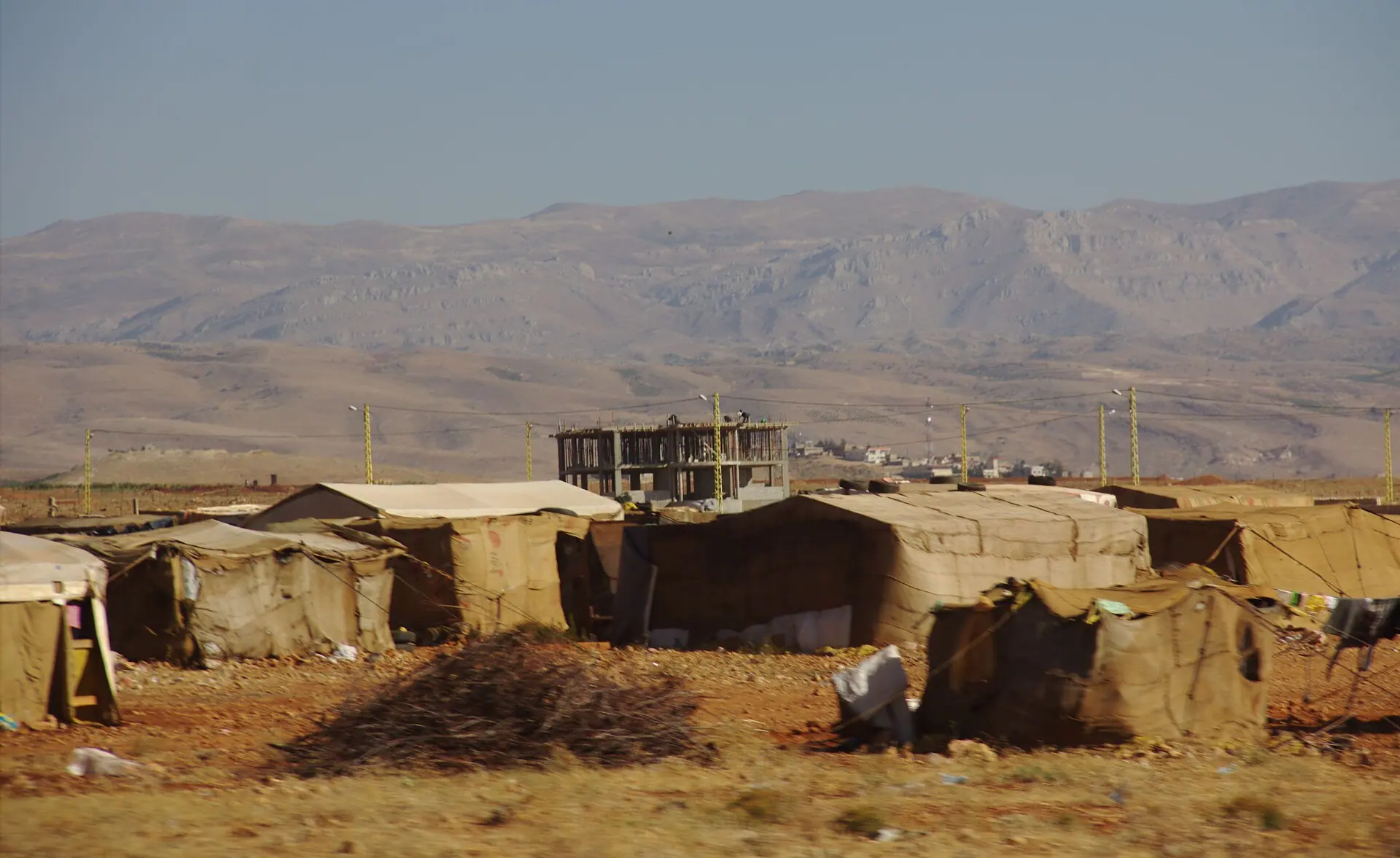
Libanon (Bekaa), 2013-11-05 – An 'informal tented settlement' in Lebanon's Bekaa valley. The mountains in the background form the border with Syria, just a few miles away
Li-băng · 2013DFID - UK Department for International Development · CC BY 2.0 · Wikimedia Commons
Libanon (Bekaa), 2012-08-26 – Camp in Lebanon close to the Syrian border
Li-băng · 2012Elgaard · CC BY-SA 3.0 · Wikimedia Commons
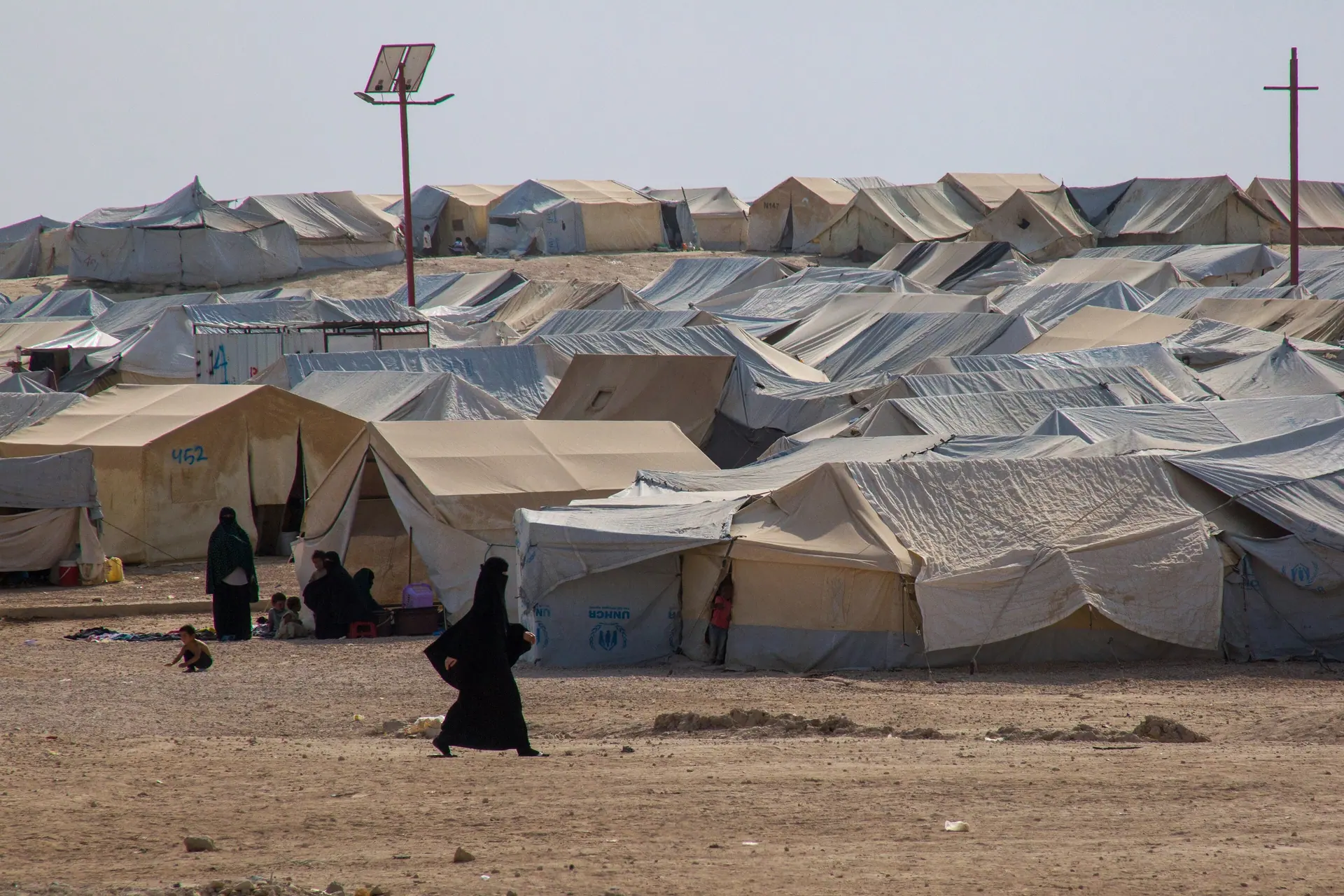
Al-Hol camp, 2019-10-17 – We are the first reporters inside the al-Hol Camp since Turkish military operations began in northeastern Syria last week. Officials say sin
Al-Hol camp · Al-Hasakah · 2019Y. Boechat (VOA) · Public domain · Wikimedia Commons
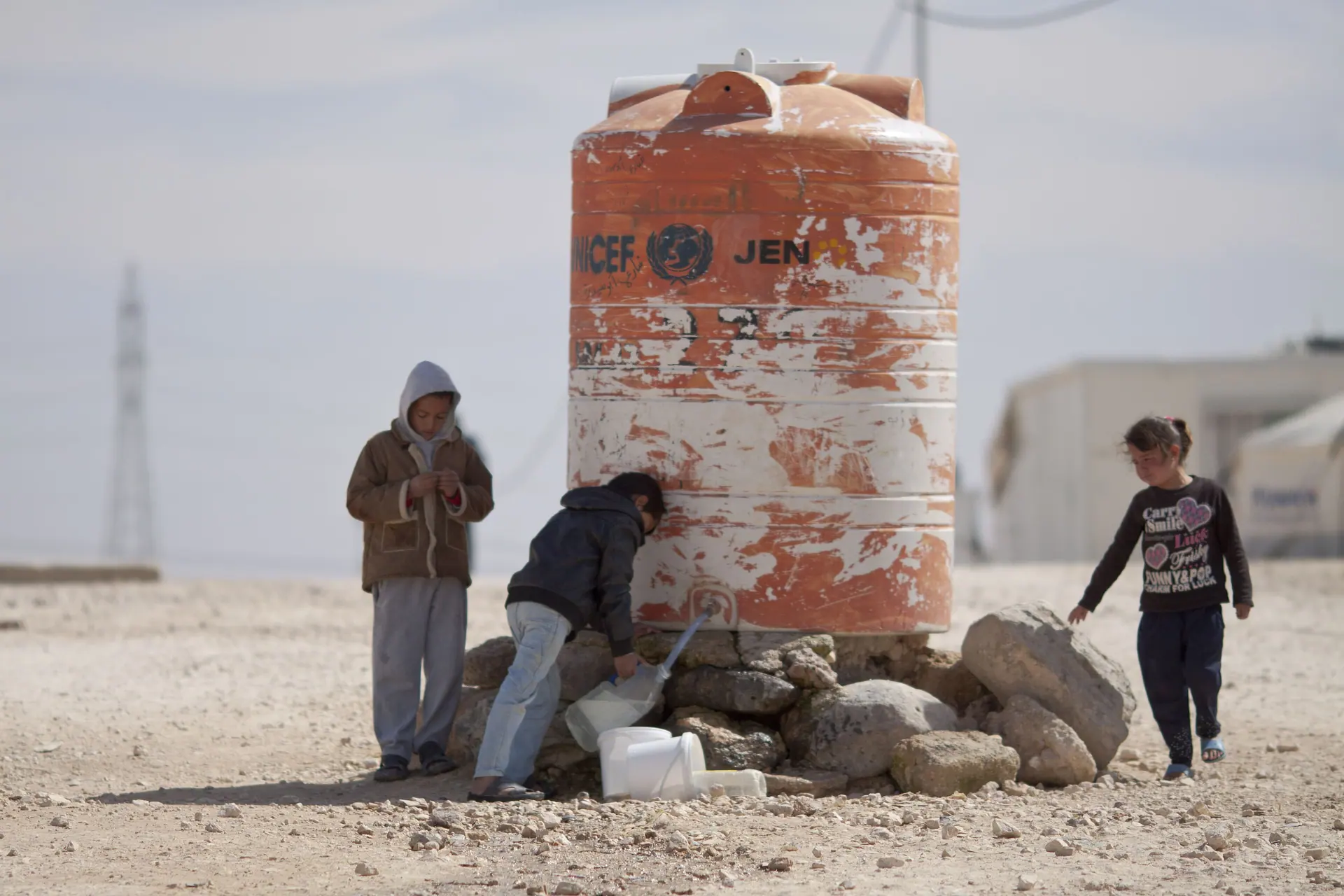
Zaatari camp, Jordan, 2015-02-27 – Syrian children fetch drinking water in the Zaatari camp, Jordan, 2015
Zaatari camp, Jordan · Jordan · 2015Mustafa Bader · CC BY-SA 4.0 · Wikimedia Commons
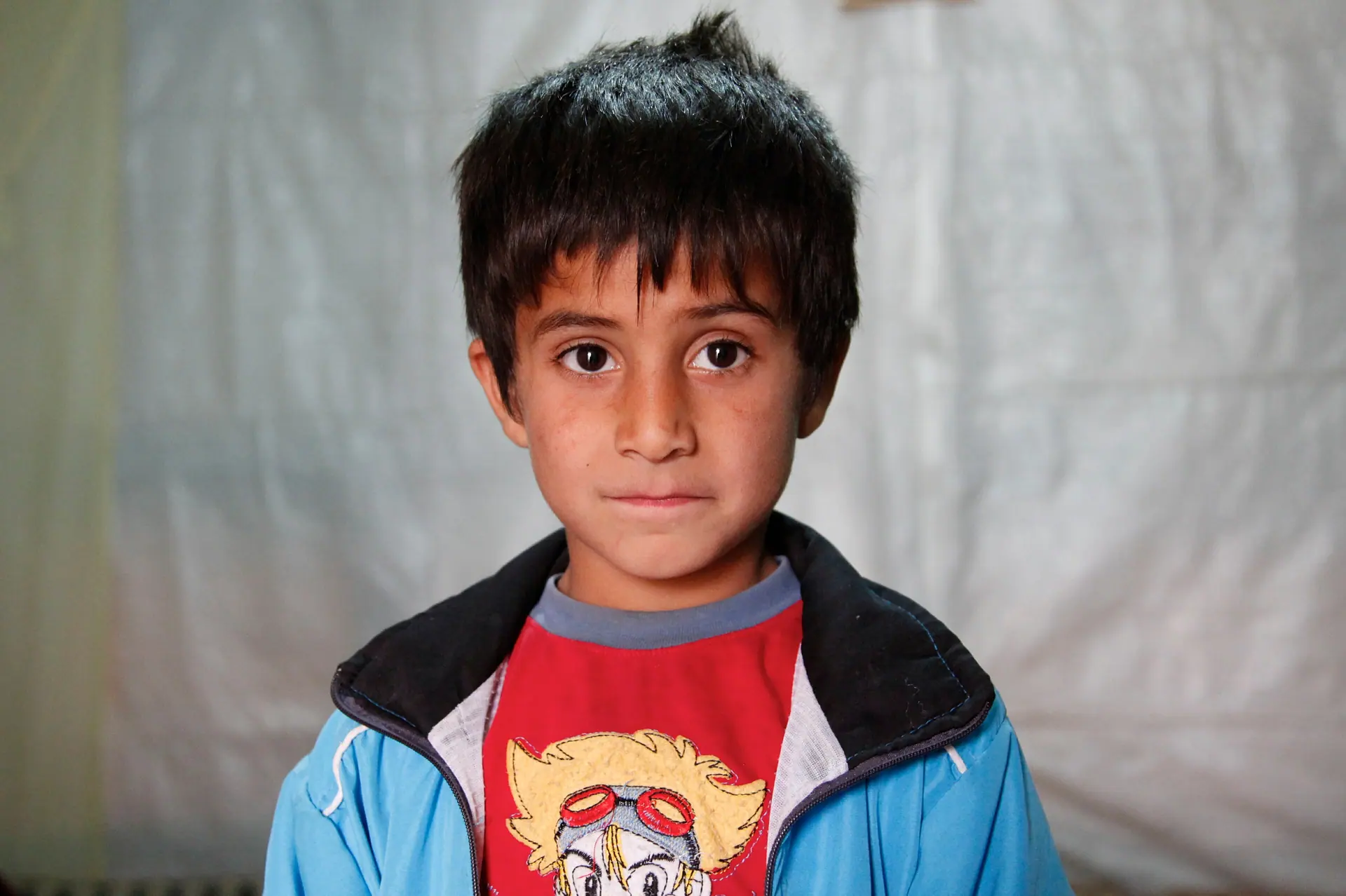
Bekaa Valley, Lebanon, 2013-11-05 – Marwan, 5, a refugee from near Aleppo, in an informal settlement in the Bekaa Valley, 2013
Bekaa Valley, Lebanon · Li-băng · 2013DFID - UK Department for International Development · CC BY 2.0 · Wikimedia Commons
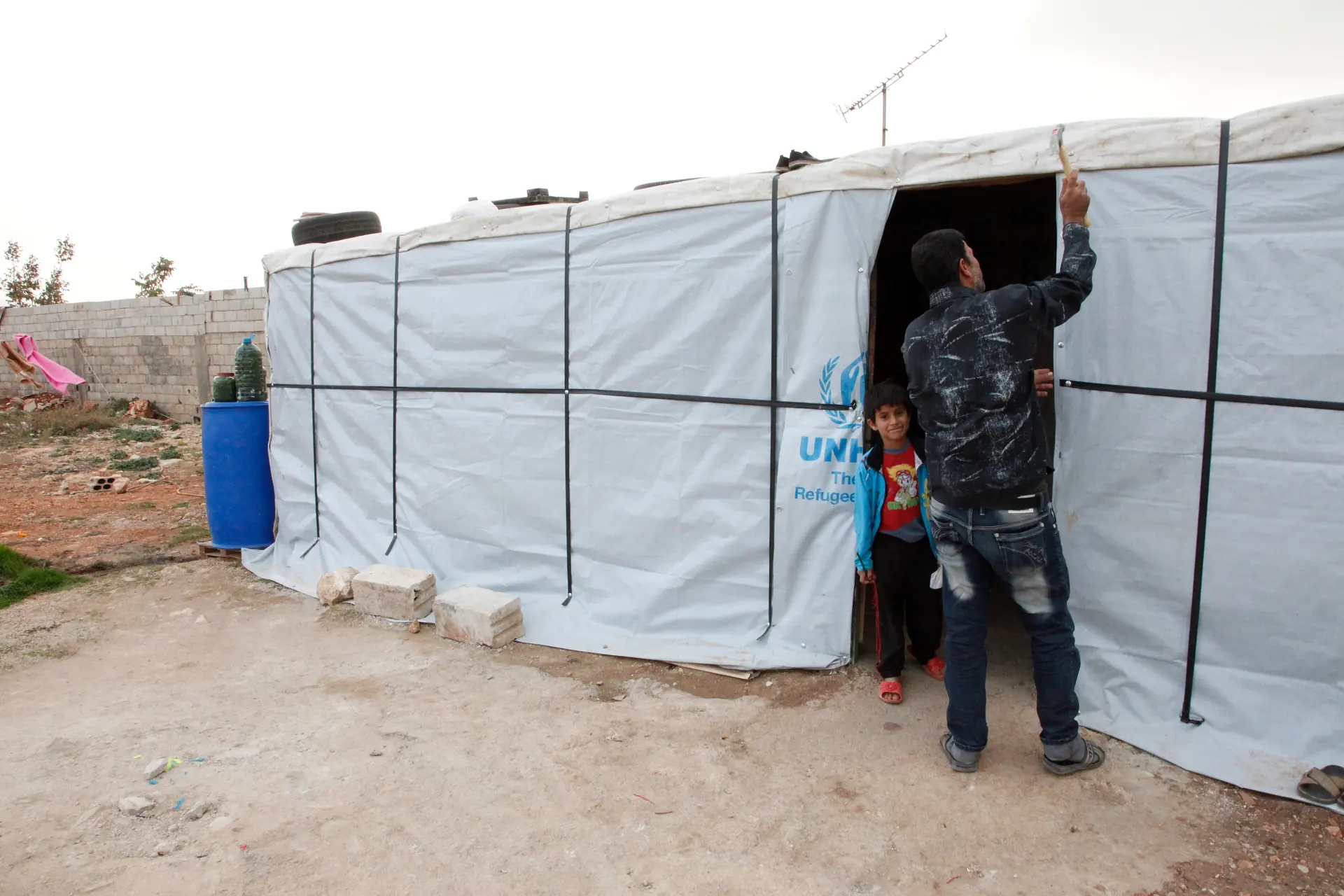
Bekaa Valley, Lebanon, 2013-11-05 – A father reinforces the family's shelter before winter, Bekaa Valley, 2013
Bekaa Valley, Lebanon · Li-băng · 2013DFID - UK Department for International Development · CC BY 2.0 · Wikimedia Commons
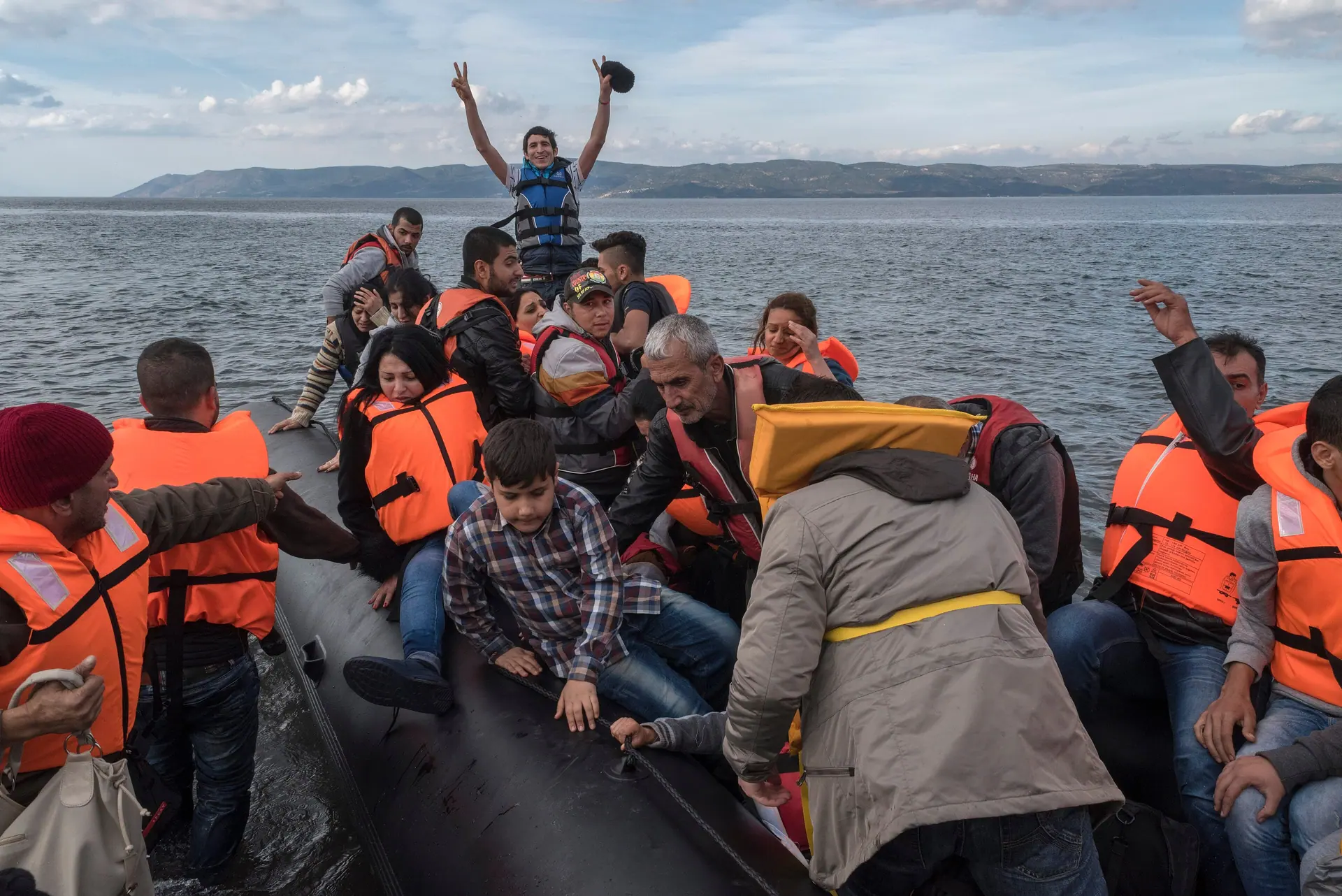
Skala Sykamias, Lesbos (Greece), 2015-10-29 – An inflatable boat with Syrian Refugees just arrived safely to Skala Sykamias, Lesvos island, Greece.
Skala Sykamias, Lesbos · Hy Lạp · 2015Ggia · CC BY-SA 4.0 · Wikimedia Commons
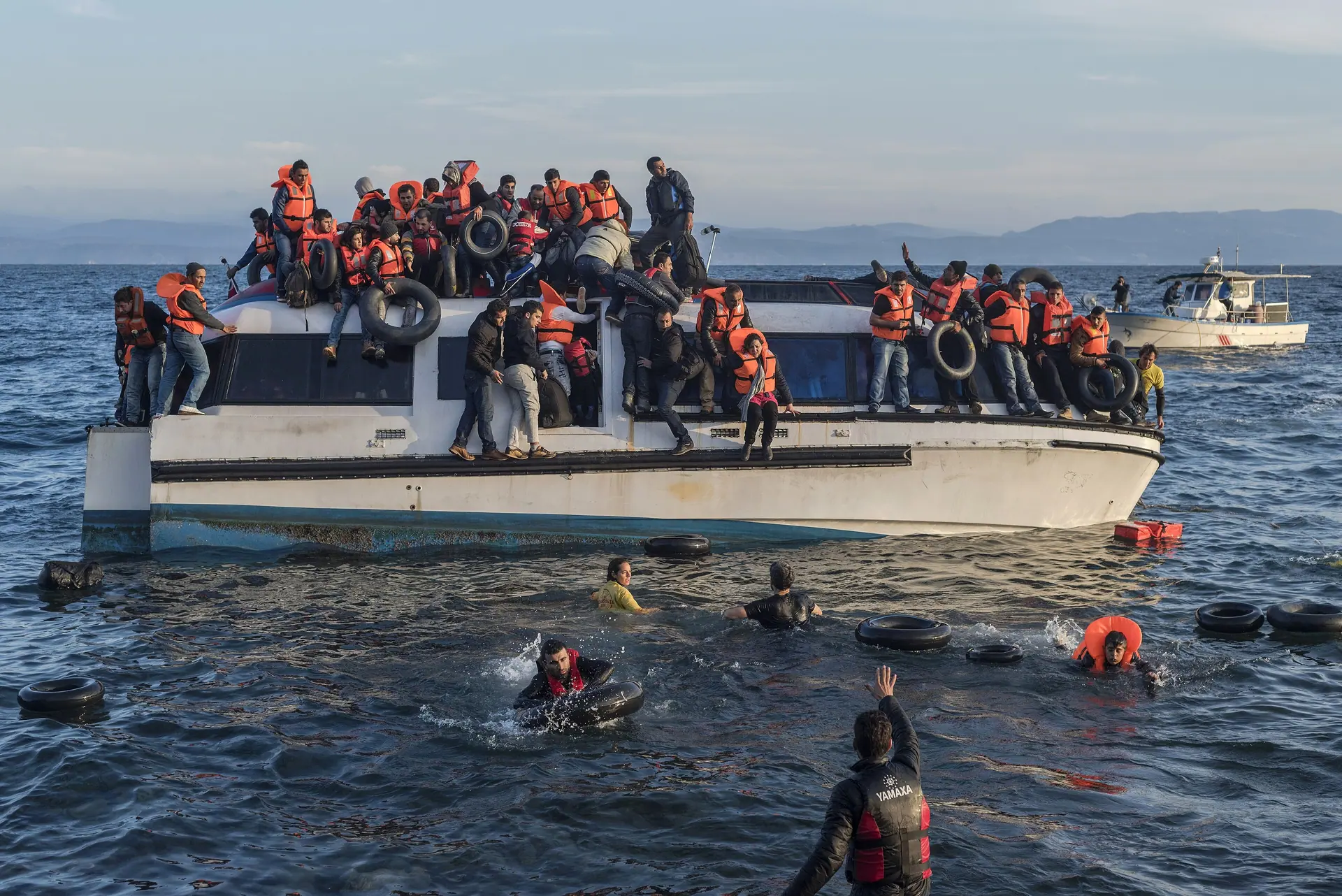
Skala Sykamias, Lesbos (Greece), 2015-10-30 – Syrian and Iraqi refugees arrive from Turkey to Skala Sykamias, Lesbos island , Greece. Volunteers (life rescue team - with yellow-red cloth
Skala Sykamias, Lesbos · Hy Lạp · 2015Ggia · CC BY-SA 4.0 · Wikimedia Commons
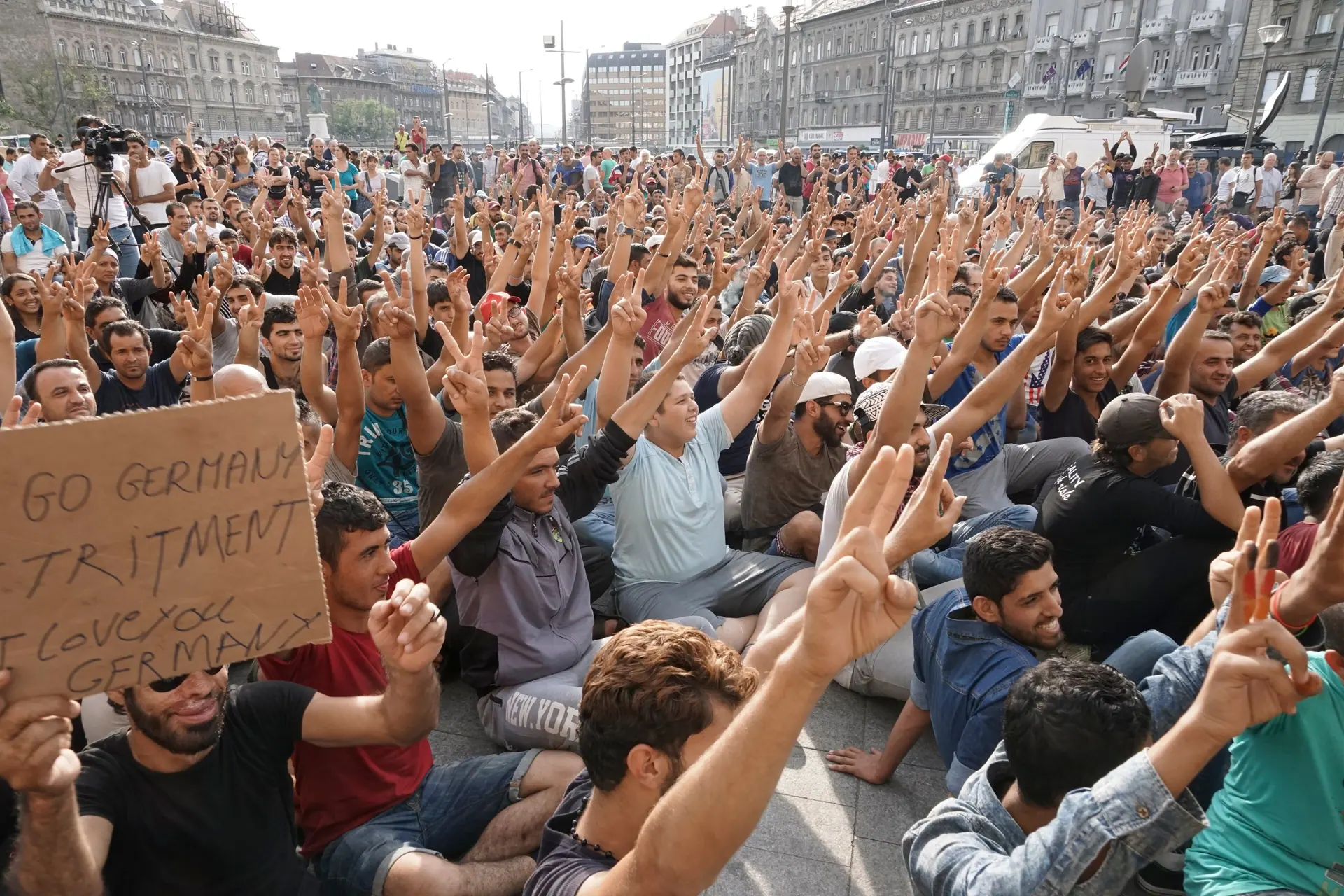
Keleti station, Budapest (Hungary), 2015-09-03 – Syrian young males refugees strike in front of Budapest Keleti railway station. Refugee crisis. Budapest, Hungary , Central Europe, 3 Septem
Keleti station, Budapest · Hungary · 2015Mstyslav Chernov · CC BY-SA 4.0 · Wikimedia Commons
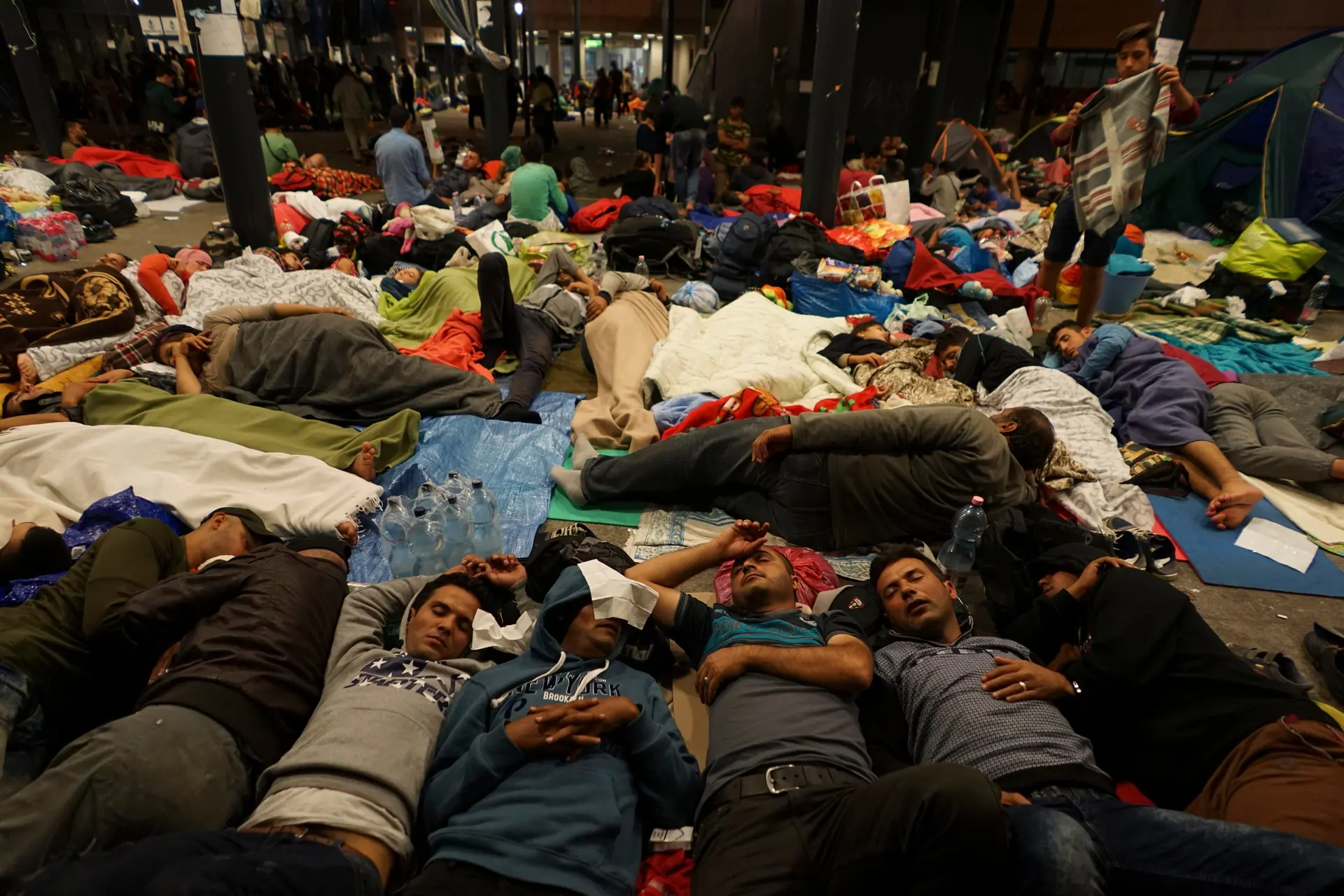
Keleti station, Budapest (Hungary), 2015-09-05 – Syrian refugees having rest at the floor of Keleti railway station. Refugee crisis. Budapest, Hungary, Central Europe, 5 September 2015.
Keleti station, Budapest · Hungary · 2015Mstyslav Chernov · CC BY-SA 4.0 · Wikimedia Commons
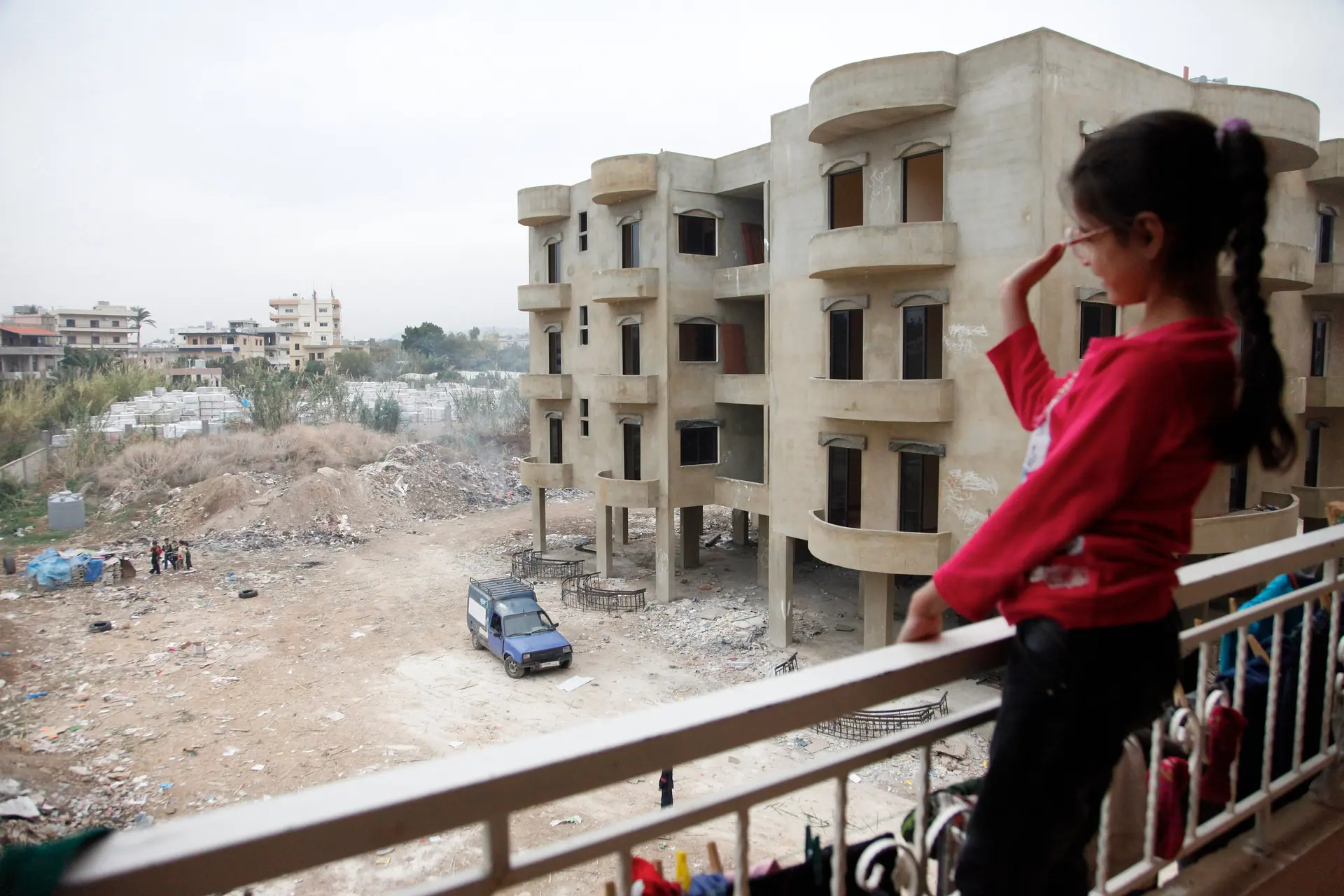
Northern Lebanon, 2013-11-07 – A Syrian girl in an unfinished apartment block in northern Lebanon, 2013
Northern Lebanon · Li-băng · 2013DFID - UK Department for International Development · CC BY 2.0 · Wikimedia Commons
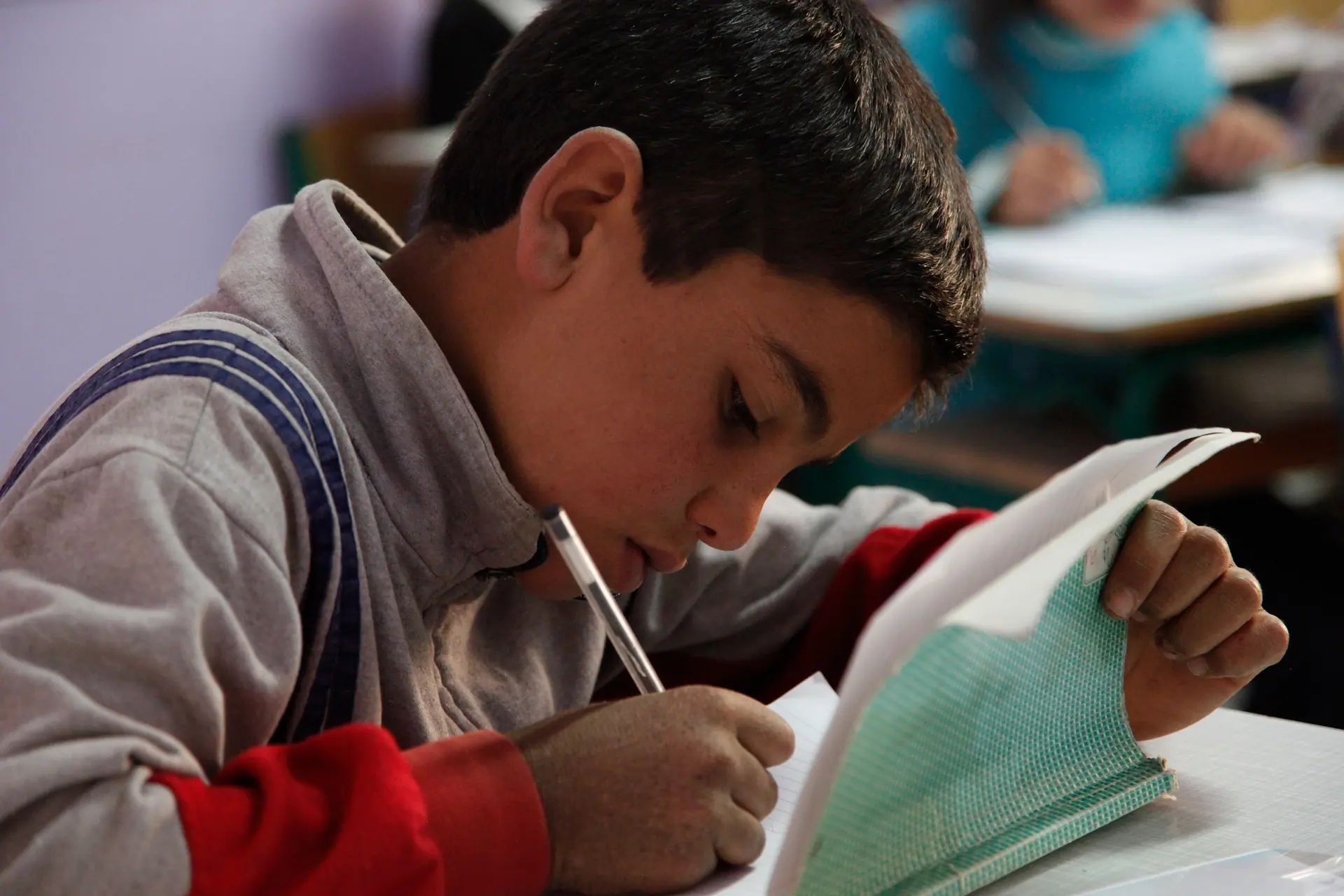
Bekaa Valley, Lebanon, 2013-11-05 – Muhanad, 11, from Syria, back at school in Lebanon's Bekaa Valley, 2013
Bekaa Valley, Lebanon · Li-băng · 2013DFID - UK Department for International Development · CC BY 2.0 · Wikimedia Commons
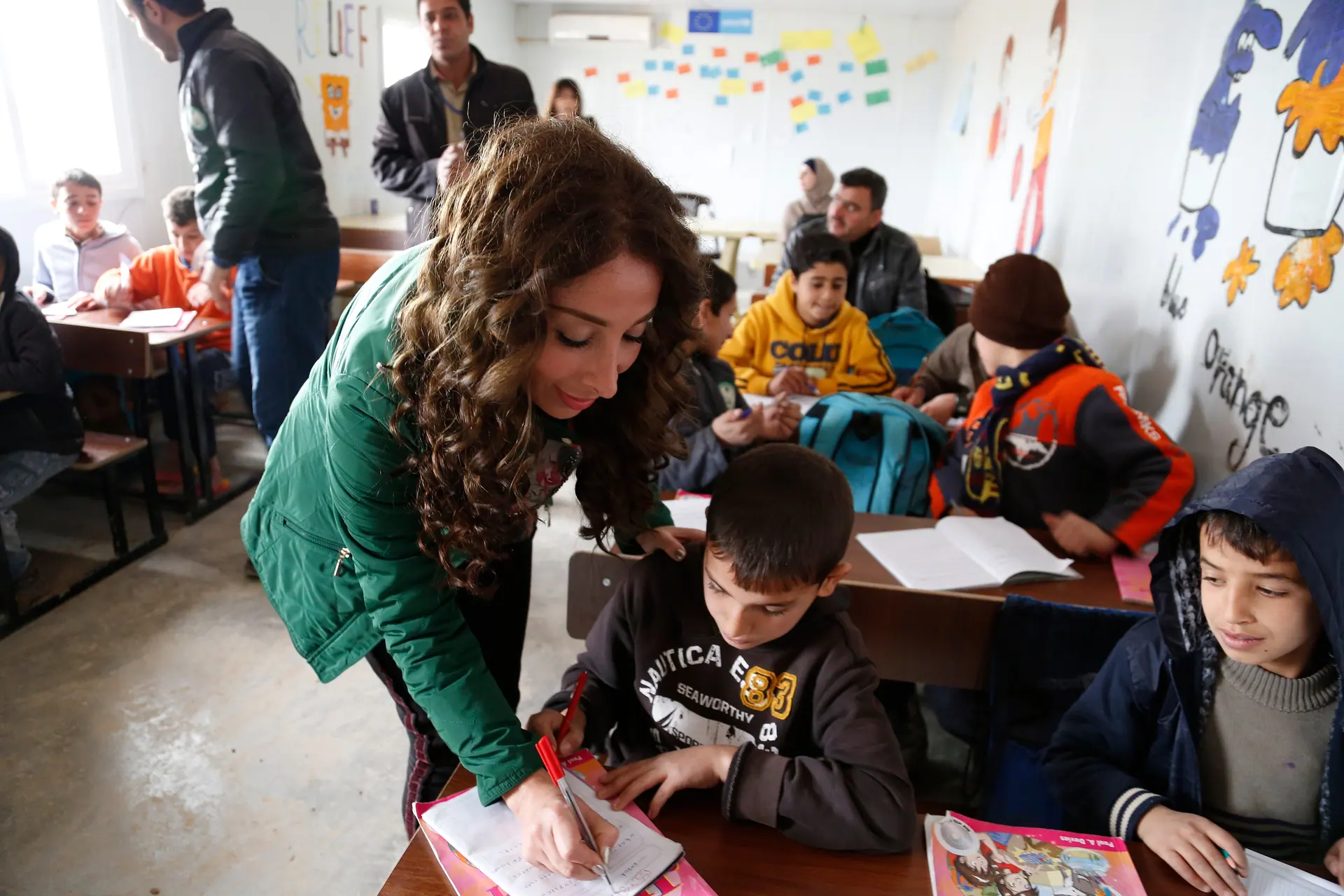
Zaatari camp, Jordan, 2015-03-12 – A teacher with Syrian pupils in a school in the Zaatari camp, Jordan, 2015
Zaatari camp, Jordan · Jordan · 2015DFID · CC BY 2.0 · Wikimedia Commons
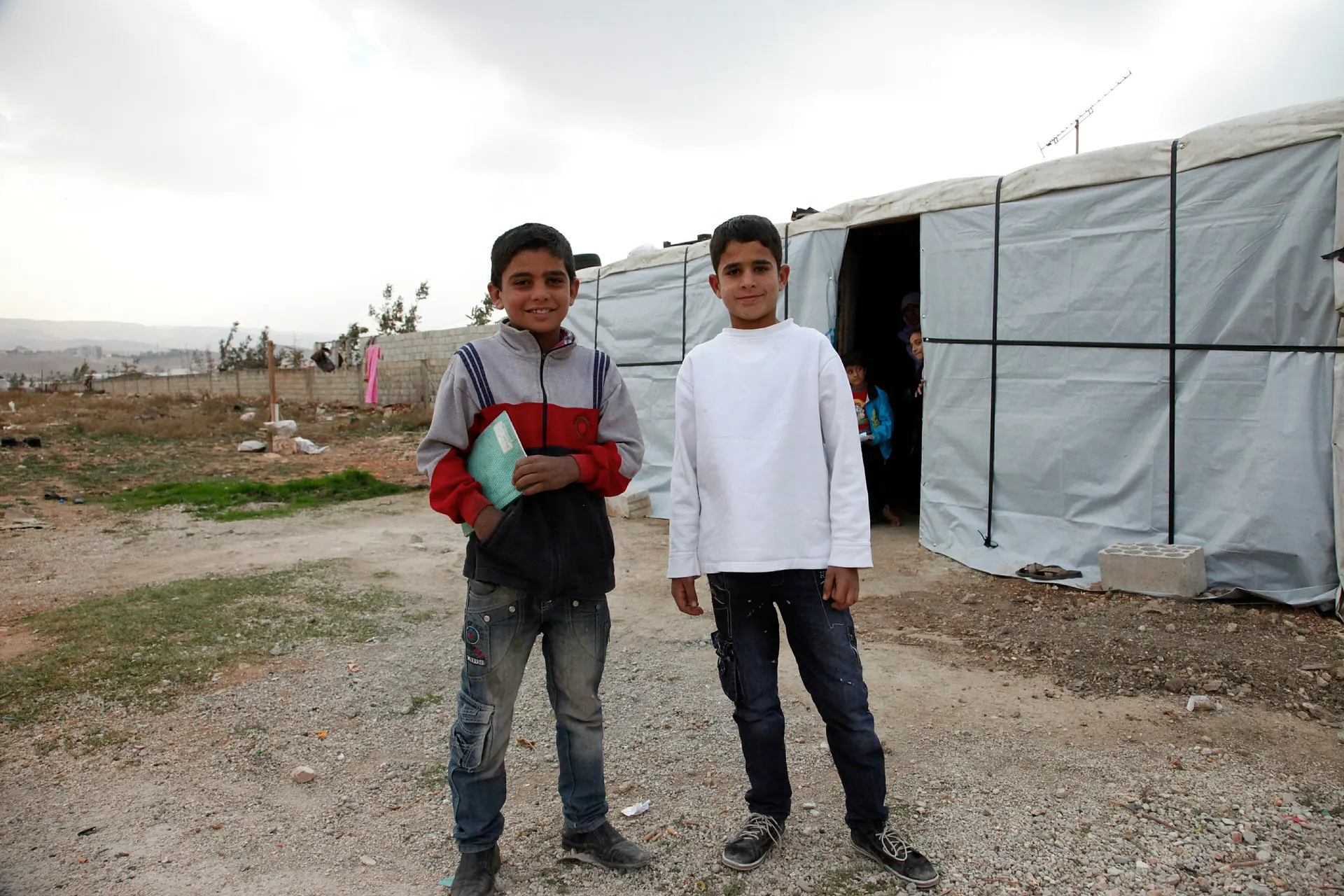
Bekaa Valley, Lebanon, 2013-11-05 – Two Syrian boys still smiling, Bekaa Valley, 2013
Bekaa Valley, Lebanon · Li-băng · 2013DFID - UK Department for International Development · CC BY 2.0 · Wikimedia Commons
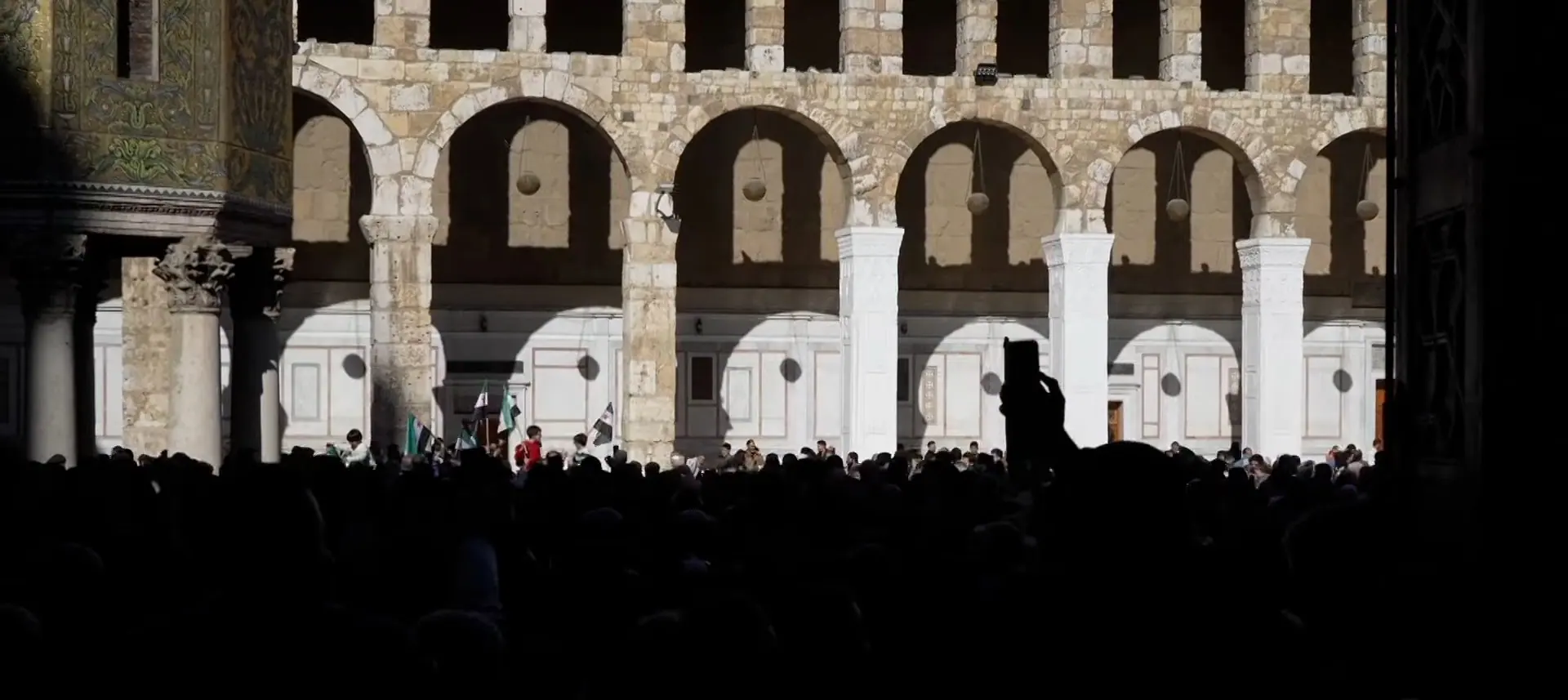
Damaskus, 2024-12-14 – Rebels celebrate the fall of the Assad Regime during the first Friday Prayers at the Umayyad mosque, 14 December 2024
Damascus · 2024Voice of America · Public domain · Wikimedia Commons
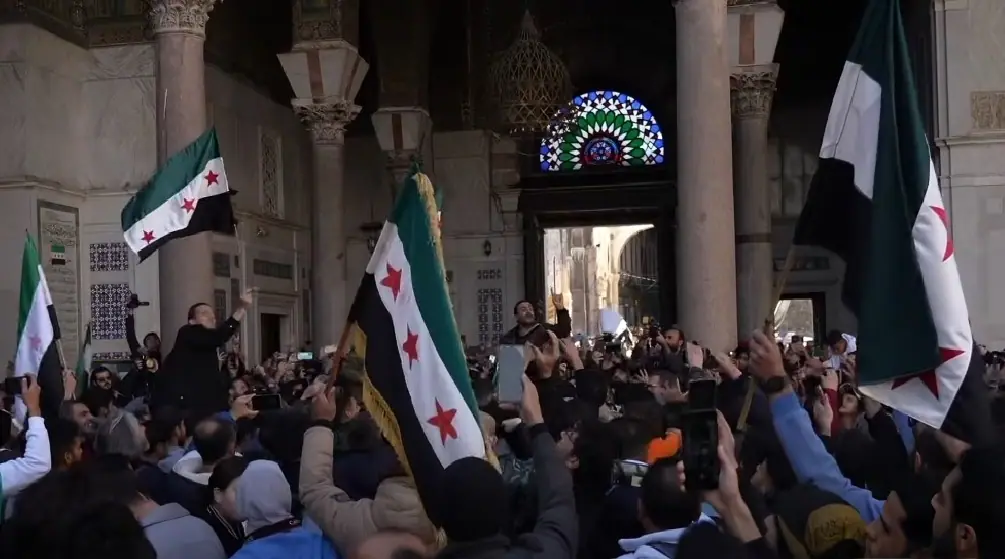
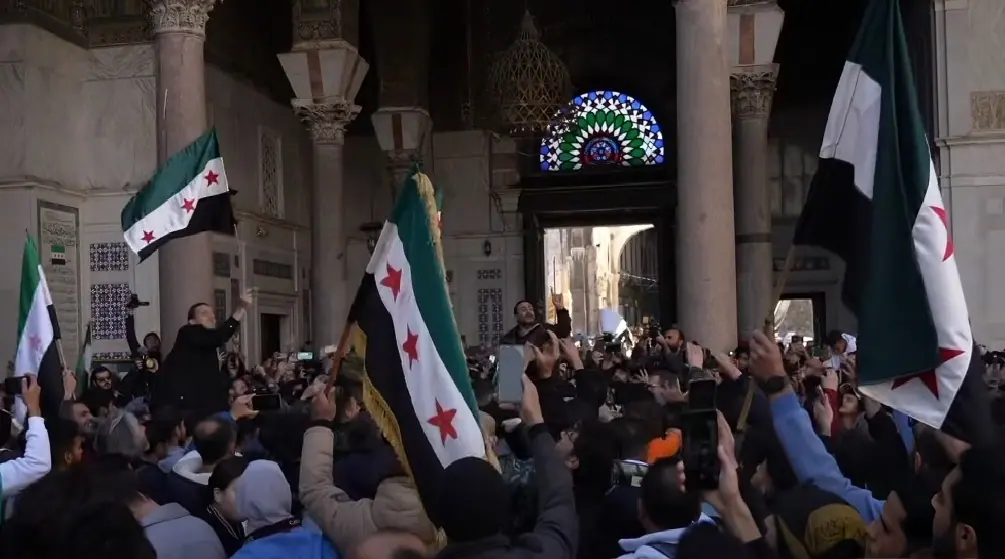
Damaskus, 2024-12-14 – Worshippers congregate at the Umayyad Mosque celebrating the Fall of the Assad regime and praying the First Friday Prayers without any gover
Damascus · 2024Voice of America · Public domain · Wikimedia Commons
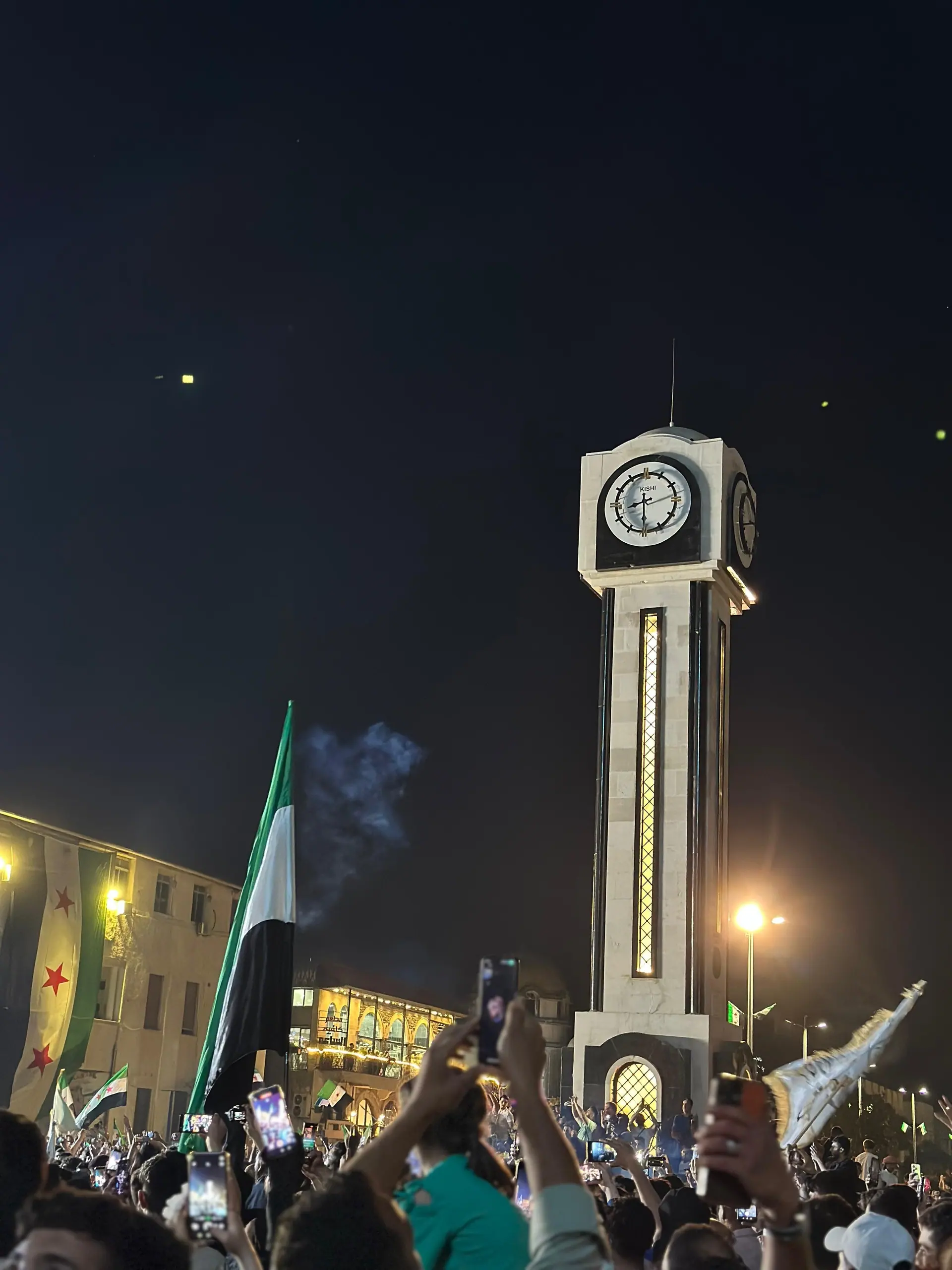
Homs, 2025-06-09 – Homs New Clock
Homs · 2025Bo yaser · CC BY 4.0 · Wikimedia Commons
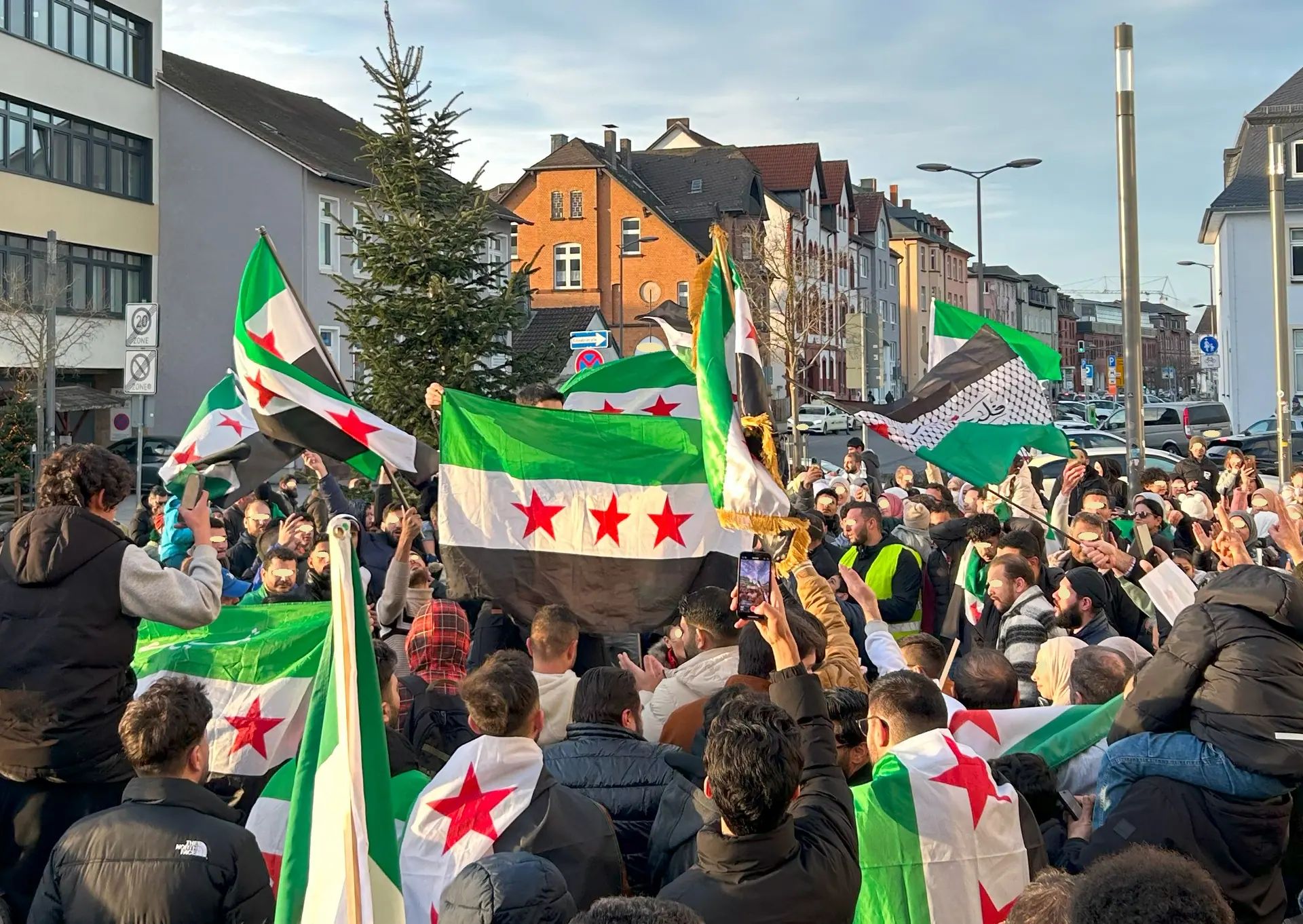
Deutschland, 2024-12-08 – Syrians in Germany celebrate Fall of Assad Regime, 8 December 2024
Đức · 2024Shark1989z · CC BY-SA 4.0 · Wikimedia Commons
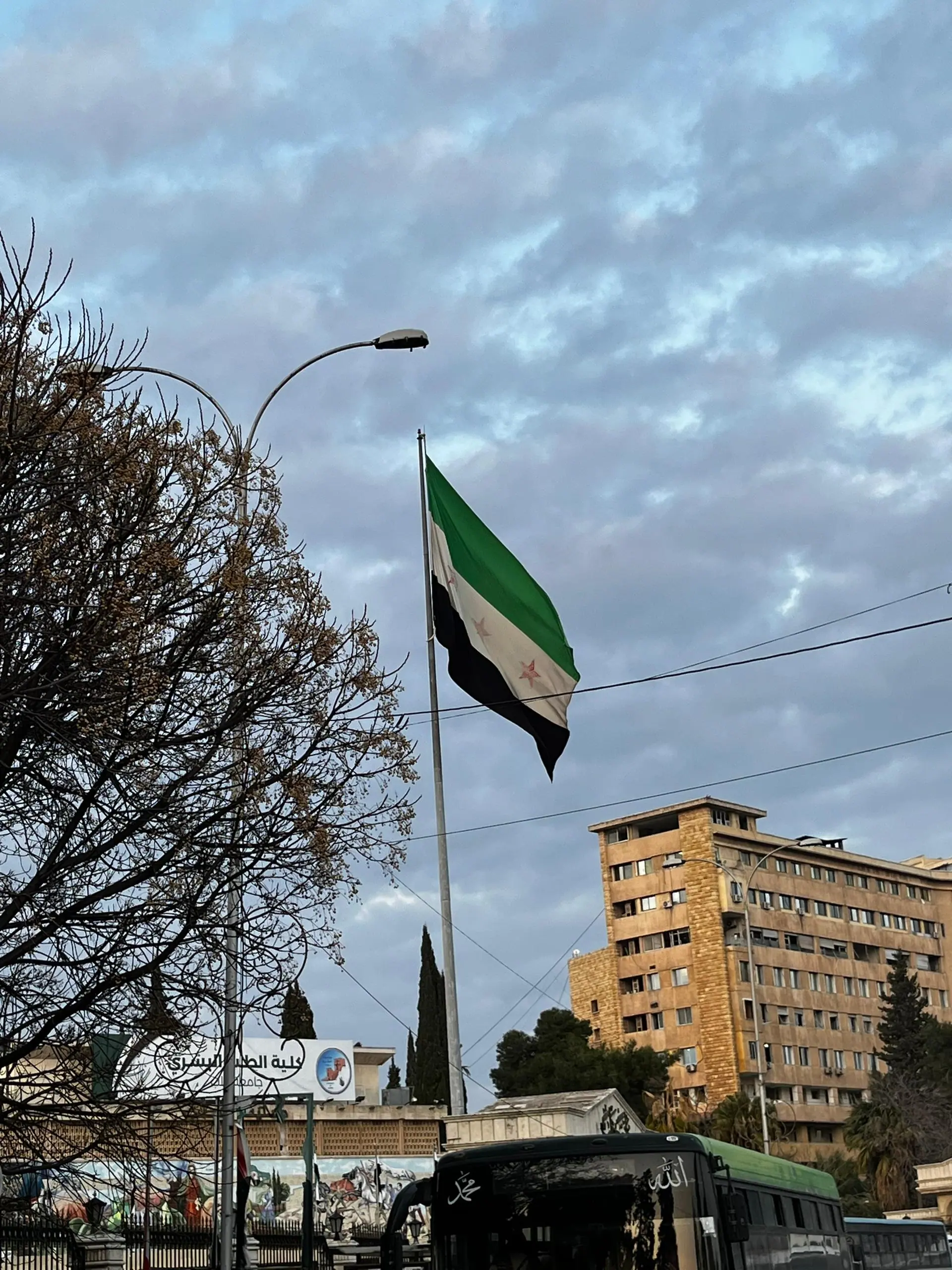
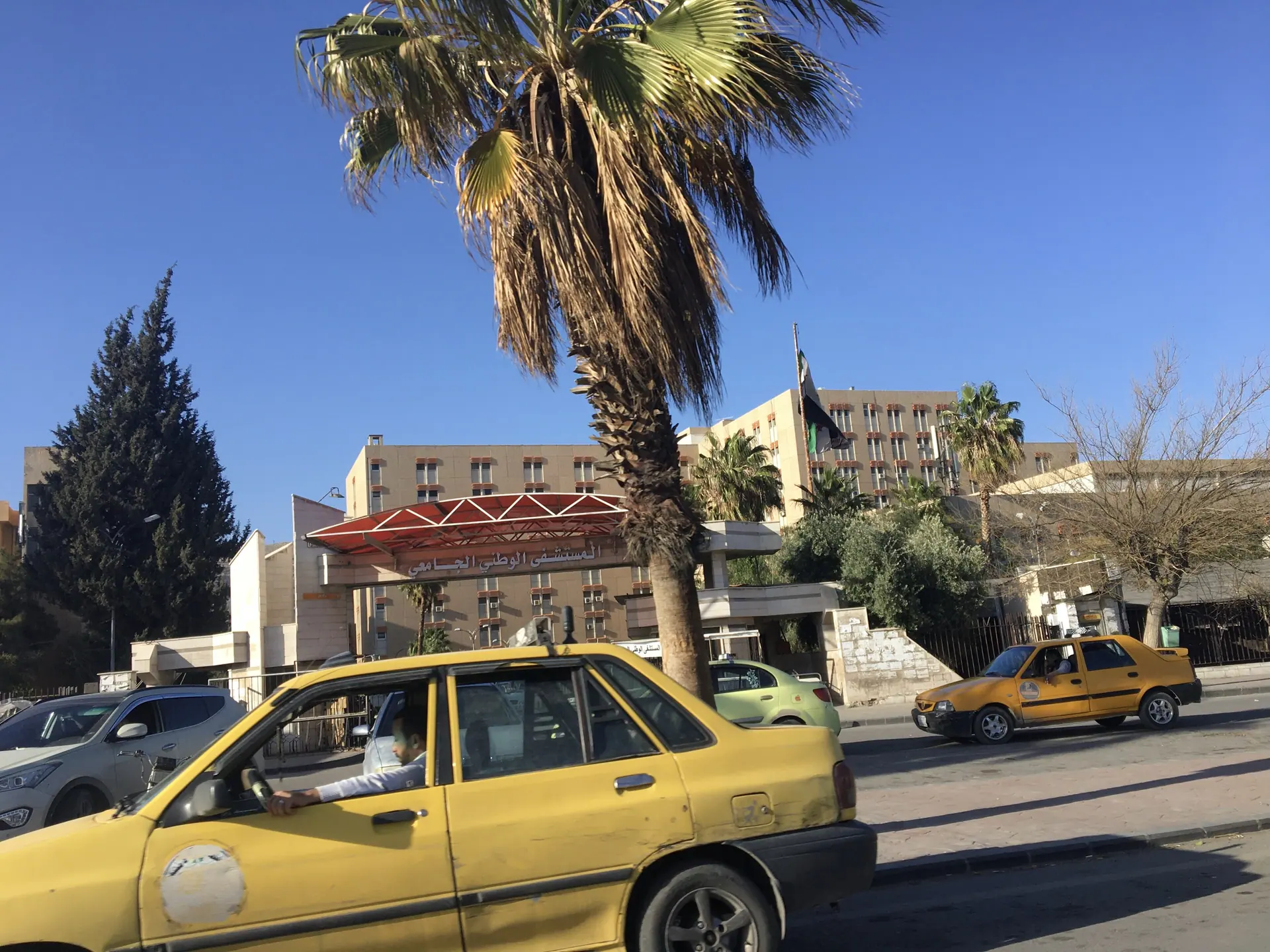
Aleppo, 2025-02-08 – University Square in Aleppo, in front of the Faculty of Medicine, with the new flag of Syria (flag of independence, flag of the Syrian Revol
Aleppo · 2025Ageo.4 · CC BY-SA 4.0 · Wikimedia Commons
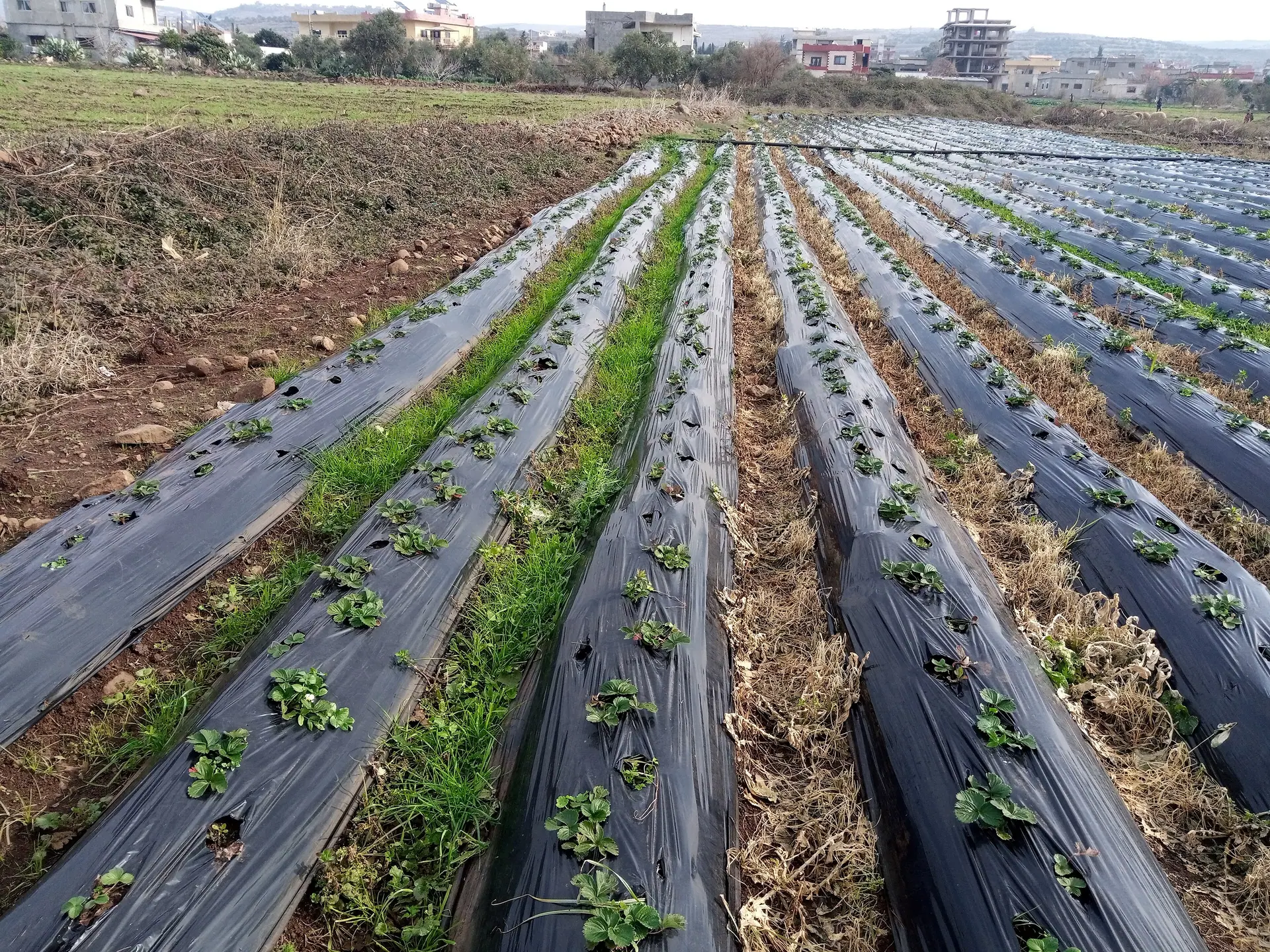
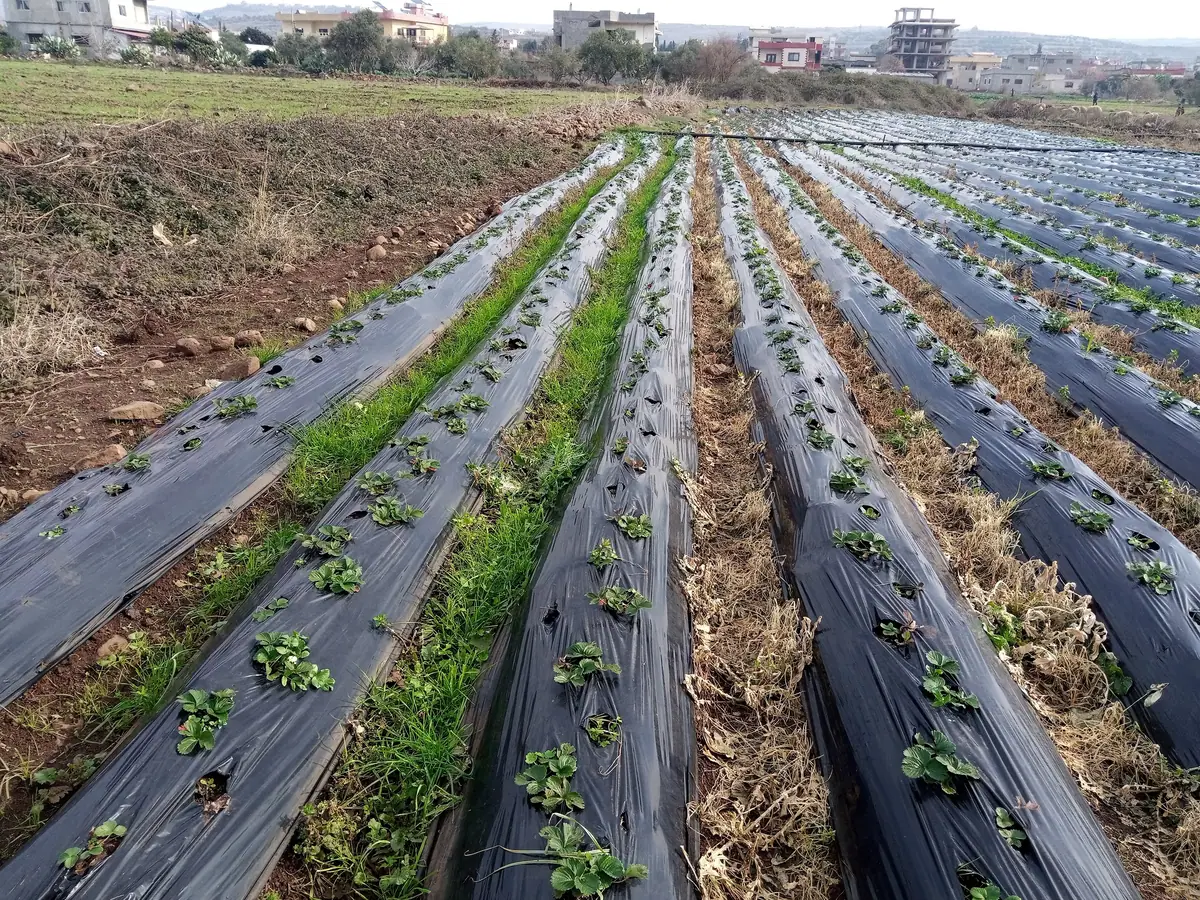
Umm Haratayn al-Gharbiyah, 2025-12-31 – An open-field strawberry plantation without greenhouses in Umm Haratayn al-Gharbiyah, western countryside of Homs, Syria. The image clearly
Umm Haratayn al-Gharbiyah · Homs · 2025Hayan Alhasan · CC BY-SA 4.0 · Wikimedia Commons
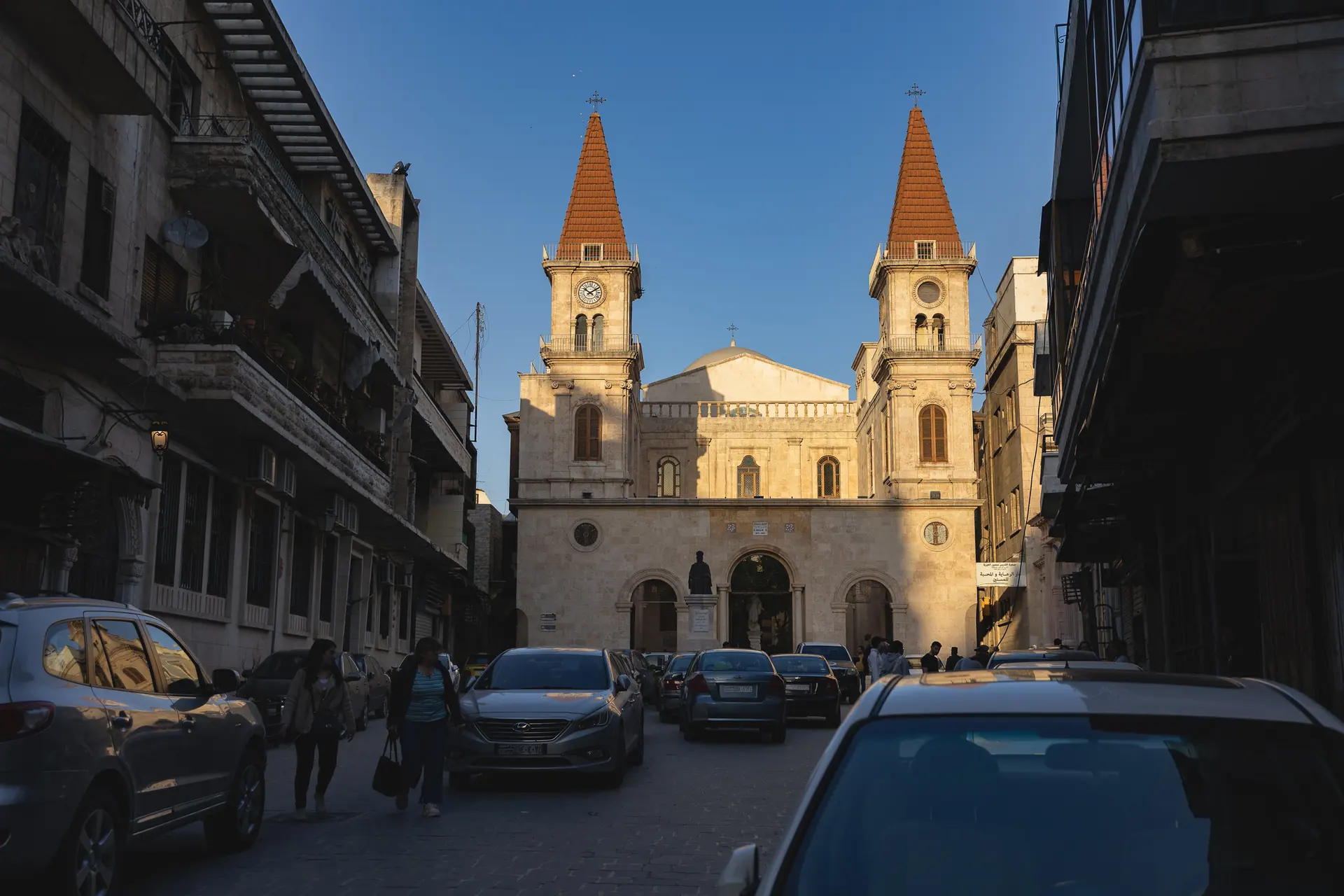
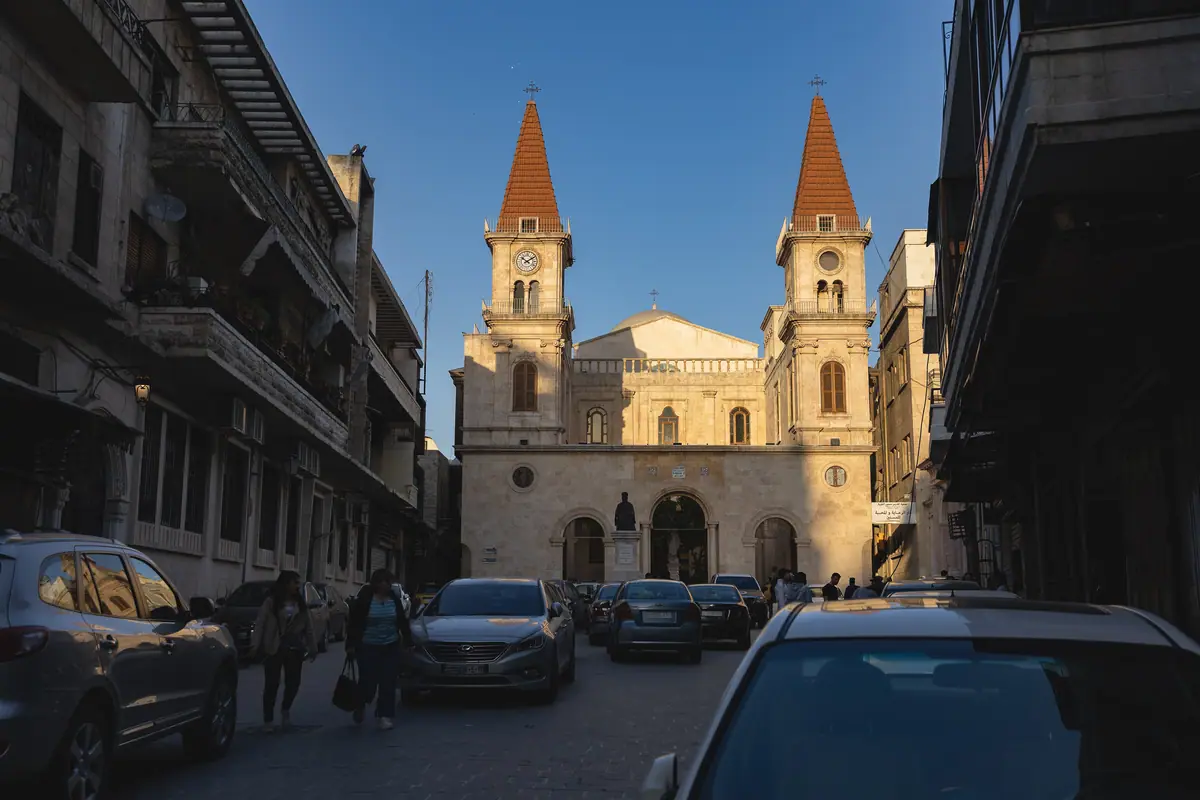
Aleppo, 2025-04-17 – Saint Elias Maronite Cathedral, al-Jdayde, Aleppo, April 2025
Aleppo · 2025By Fares Badawi · CC BY-SA 4.0 · Wikimedia Commons
Damascus, 2025-04-04 – Damascus, April 2025
Damascus · 2025Eiyad Mobarak · CC0 · Wikimedia Commons
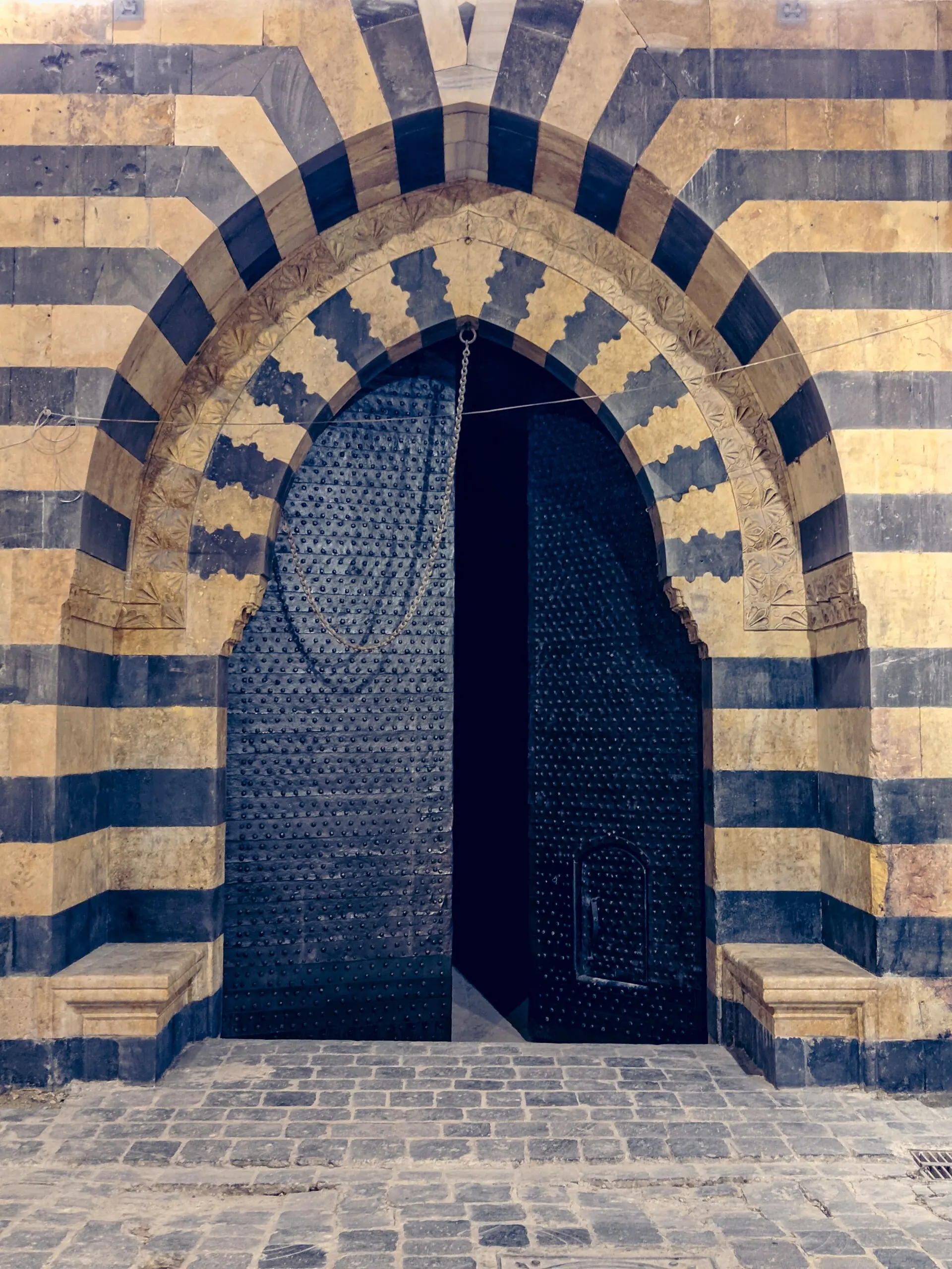
Aleppo, 2020-10-24 – بوابة خان الحرير في سوق خان الحرير في مدينة حلب القديمة بعد إعادة تأهيل وترميم السوق بعد الحرب. ويظهر البوابة الحديدية الضخمة والحجارة الصفر
Aleppo · 2020Anas Badawi · CC BY-SA 4.0 · Wikimedia Commons
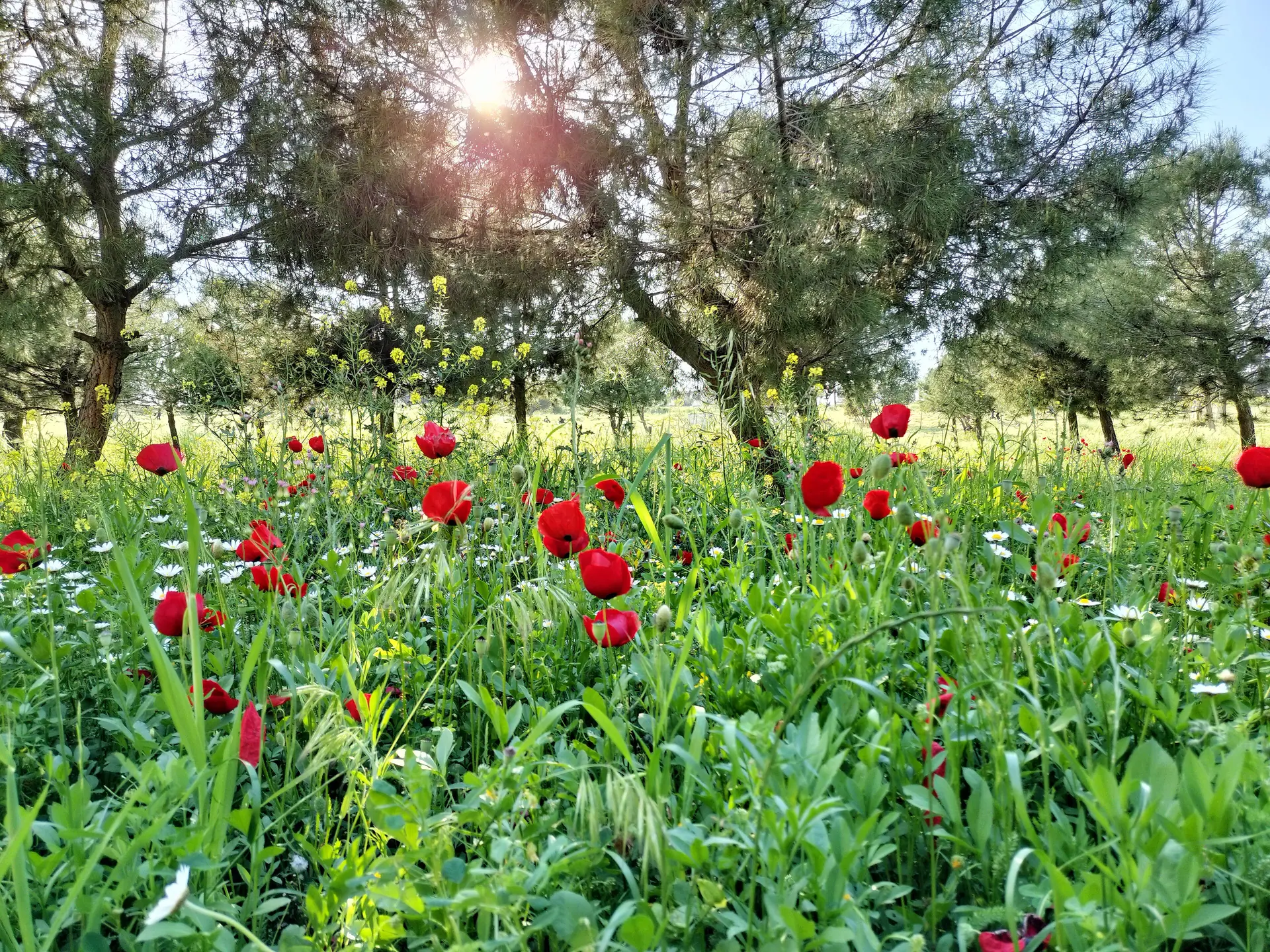
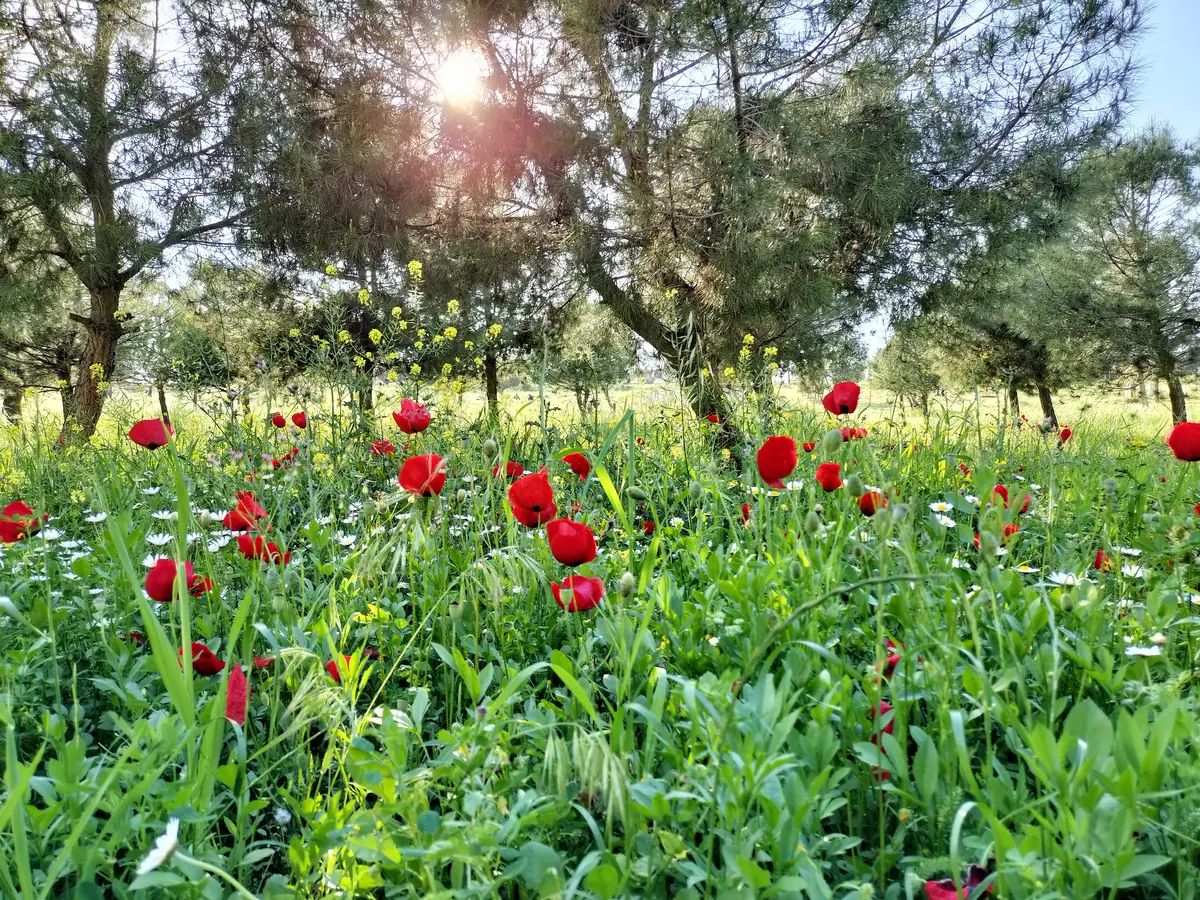
Aleppo, 2024-04-11 – Poppies in Aleppo, spring 2024
Aleppo · 2024Emir Ghazi · CC BY-SA 4.0 · Wikimedia Commons

Phim · Từ đau thương đến hy vọng

Syria: từ đau thương đến hy vọng

2 phút · 78 ảnh thật · 7 chương

Có hình ảnh thật về sự tàn phá, cảnh chạy nạn và cuộc tìm kiếm người mất tích. Không có hình ảnh người chết hoặc bị thương.

Khoảng 2 phút, 78 ảnh thật có giấy phép tự do, chia thành 7 chương; trên điện thoại sẽ phát bản ngắn hơn, khoảng 2 phút. Mỗi ảnh đều có chú thích địa điểm, năm và ghi công tác giả. Nhạc nền là tùy chọn.

♪ Nhạc: „Samaii Hijaz Kar Kurdi“ – Chahadé Saadé (đàn oud), Odeon, khoảng năm 1926 · „Lamma Bada Yatathanna (muwashshah)“ – Shaykh Sayyid al-Safti (1875–1939) · phạm vi công cộng (Wikimedia Commons)

Dòng thời gian có tư liệu 20

  1. Cuộc nổi dậy 2011

    Daraa: trẻ em bị bắt vì vẽ graffiti, biểu tình bùng nổ

    Theo Human Rights Watch, các cuộc biểu tình ở Daraa nổ ra sau khi lực lượng an ninh bắt giữ và tra tấn 15 trẻ em bị cáo buộc vẽ graffiti chống chính phủ. Các cuộc biểu tình bắt đầu vào ngày 18 tháng 3 năm 2011. HRW đã ghi nhận cuộc đàn áp trong báo cáo “We've Never Seen Such Horror”, dựa trên hơn 50 cuộc phỏng vấn.

    Daraa · Daraa
    Nguồn
  2. Giam giữ và người mất tích

    Bộ ảnh “Caesar”

    Một người đào ngũ khỏi quân đội có bí danh “Caesar” đã sao chép và tuồn ra ngoài 53.275 bức ảnh chụp từ tháng 5 năm 2011 đến tháng 8 năm 2013. Trong báo cáo tháng 12 năm 2015 mang tên “If the Dead Could Speak”, Human Rights Watch kết luận rằng các bức ảnh cho thấy ít nhất 6.786 người bị giam đã chết trong trại giam hoặc sau khi bị chuyển đến một bệnh viện quân đội, phần lớn bị năm cơ quan tình báo ở Damascus giam giữ. HRW coi các bức ảnh là bằng chứng xác thực về tội ác chống lại loài người. (Các hình ảnh không được đăng lại ở đây.)

    Damascus (government detention facilities) · Damascus
    Nguồn
  3. Chiến tranh và tàn phá

    Các vụ giết hại ở Houla

    Theo LHQ, ngày 25 tháng 5 năm 2012, 108 người, trong đó có 49 trẻ em, đã bị giết tại khu vực Houla. Tháng 8 năm 2012, Ủy ban Điều tra LHQ kết luận rằng lực lượng chính phủ và các tay súng Shabiha phải chịu trách nhiệm về các vụ giết hại này. Hội đồng Nhân quyền LHQ đã lên án các vụ giết hại tại một phiên họp đặc biệt vào tháng 6 năm 2012.

    Houla (Taldou) · Homs
    Nguồn
  4. Di sản bị hư hại

    Tháp minaret của Đại Thánh đường Hồi giáo Aleppo bị phá hủy

    Ngày 24 tháng 4 năm 2013, tháp minaret của Đại Thánh đường Hồi giáo ở trung tâm thành cổ Aleppo đã sụp đổ trong các cuộc giao tranh; UNESCO bày tỏ sự tiếc thương về mất mát này ngay trong ngày mà không quy trách nhiệm cho bên nào. Trách nhiệm còn bị tranh cãi: truyền thông nhà nước Syria đổ lỗi cho Mặt trận Nusra, trong khi các nhà hoạt động đối lập cho rằng hỏa lực xe tăng của quân đội đã phá hủy tháp.

    Aleppo, Great (Umayyad) Mosque · Aleppo
    Nguồn
  5. Bao vây, đói khát và giá rét

    Cuộc bao vây Yarmouk: tử vong vì đói

    Tháng 3 năm 2014, Ân xá Quốc tế (Amnesty International) báo cáo rằng lực lượng chính phủ Syria đã siết chặt vòng vây khu vực Yarmouk ở Damascus từ tháng 7 năm 2013. Trong gần 200 ca tử vong được ghi nhận kể từ đó, Amnesty cho rằng 128 ca là do đói. Amnesty mô tả việc dùng nạn đói đối với dân thường là một tội ác chiến tranh.

    Yarmouk (Palestinian refugee camp), Damascus · Damascus
    Nguồn
  6. Tấn công hóa học

    Tấn công sarin tại Ghouta

    Rạng sáng ngày 21 tháng 8 năm 2013, các tên lửa đất đối đất chứa sarin đã đánh vào các khu vực do phe đối lập kiểm soát ở Ghouta quanh Damascus. Phái đoàn điều tra LHQ do Åke Sellström dẫn đầu xác nhận vào tháng 9 năm 2013 rằng vũ khí hóa học đã được sử dụng nhằm vào dân thường, bao gồm trẻ em, “trên quy mô tương đối lớn”; việc xác định thủ phạm không thuộc nhiệm vụ của phái đoàn. Tháng 3 năm 2014, Ủy ban Điều tra LHQ cho biết thủ phạm nhiều khả năng đã tiếp cận được kho vũ khí của quân đội Syria. SNHR thống kê ít nhất 1.144 người thiệt mạng; các con số thống kê khác có sự khác biệt.

    Eastern and Western Ghouta (Zamalka, Ein Tarma, Moadamiyah) · Rif Dimashq
    Nguồn
  7. Bao vây, đói khát và giá rét

    Cuộc bao vây và tái chiếm Đông Ghouta

    Ủy ban Điều tra LHQ gọi cuộc bao vây Đông Ghouta kéo dài năm năm, kết thúc vào tháng 4 năm 2018, là “cuộc bao vây kéo dài nhất trong lịch sử hiện đại”. Trong báo cáo tháng 6 năm 2018, ủy ban kết luận rằng các lực lượng thân chính phủ đã cố ý bỏ đói dân thường, cấu thành tội ác chống lại loài người, và các nhóm vũ trang đã phạm tội ác chiến tranh qua các đợt pháo kích bừa bãi vào Damascus. Khoảng 140.000 người phải rời bỏ nhà cửa sau khi khu vực bị tái chiếm vào ngày 14 tháng 4 năm 2018; có tới 50.000 người được đưa đến các tỉnh Idlib và Aleppo theo các thỏa thuận sơ tán.

    Eastern Ghouta · Rif Dimashq
    Nguồn
  8. Di sản bị hư hại

    ISIL chiếm Palmyra; học giả cổ vật bị sát hại

    ISIL chiếm Palmyra từ tay lực lượng chính phủ Syria vào tháng 5 năm 2015. Tháng 8 năm 2015, Tổng Giám đốc UNESCO lên án việc sát hại ông Khaled al-Asaad, 82 tuổi, người đã phụ trách cổ vật của Palmyra hơn 50 năm và đã bị giam giữ hơn một tháng. UNESCO tuyên bố ông bị giết vì không chịu phản bội cam kết của mình với Palmyra.

    Palmyra (Tadmur) · Homs
    Nguồn
  9. Ly tán và tị nạn

    Số người tị nạn Syria vượt bốn triệu

    Ngày 9 tháng 7 năm 2015, UNHCR báo cáo có hơn 4.013.000 người tị nạn Syria tại các nước láng giềng, trong đó khoảng 1,8 triệu người ở Thổ Nhĩ Kỳ và 1,17 triệu người ở Liban, cùng ít nhất 7,6 triệu người phải di tản trong lãnh thổ Syria. Ông Guterres gọi đây là cộng đồng người tị nạn lớn nhất từ một cuộc xung đột duy nhất trong một thế hệ.

    Các nước láng giềng
    Nguồn
  10. Bao vây, đói khát và giá rét

    Trận chiến và cuộc bao vây Đông Aleppo

    Ủy ban Điều tra LHQ kết luận rằng trong trận chiến giành Đông Aleppo (tháng 7–tháng 12 năm 2016), dân thường ở cả hai phía đều là nạn nhân của các tội ác chiến tranh do tất cả các bên gây ra. Các lực lượng thân chính phủ sử dụng chiến thuật bao vây; các cuộc không kích hằng ngày của Syria và Nga đã phá hủy bệnh viện, trường học và chợ, và đến cuối tháng 12 không còn bệnh viện nào hoạt động ở Đông Aleppo. Các nhóm vũ trang pháo kích bừa bãi vào Tây Aleppo và ngăn cản dân thường rời đi.

    Eastern Aleppo · Aleppo
    Nguồn
  11. Ly tán và tị nạn

    Sơ tán Đông Aleppo

    Từ ngày 15 đến 22 tháng 12 năm 2016, ICRC và Hội Trăng lưỡi liềm đỏ Ả Rập Syria đã sơ tán hơn 35.000 người khỏi Đông Aleppo; trong một cuộc di chuyển đồng bộ, 1.200 người đã rời khỏi các thị trấn bị bao vây Foah và Kefraya. Ủy ban Điều tra LHQ sau đó kết luận rằng thỏa thuận sơ tán này cấu thành hành vi cưỡng bức di dời, vì không có sự cần thiết về quân sự.

    Eastern Aleppo · Aleppo
    Nguồn
  12. Giam giữ và người mất tích

    Báo cáo của Amnesty về Saydnaya: “Human Slaughterhouse”

    Ngày 7 tháng 2 năm 2017, Ân xá Quốc tế công bố báo cáo “Human slaughterhouse”, ước tính từ 5.000 đến 13.000 người đã bị hành quyết bằng những đợt treo cổ hàng loạt tại Nhà tù Quân sự Saydnaya trong khoảng từ tháng 9 năm 2011 đến tháng 12 năm 2015, dựa trên phỏng vấn 84 người, bao gồm cựu cai ngục, người bị giam và quan chức. Amnesty kết luận rằng các vụ giết người, tra tấn và tiêu diệt tại đây cấu thành tội ác chống lại loài người. Chính phủ Syria phủ nhận việc giết hại hoặc ngược đãi người bị giam.

    Saydnaya Military Prison · Rif Dimashq
    Nguồn
  13. Tấn công hóa học

    Tấn công sarin tại Khan Shaykhun

    Sáng ngày 4 tháng 4 năm 2017, sarin đã bị phát tán tại Khan Shaykhun. Phái đoàn Tìm hiểu Sự thật của OPCW xác nhận việc phơi nhiễm sarin vào ngày 30 tháng 6 năm 2017 mà không quy trách nhiệm. Cơ chế Điều tra Chung OPCW-LHQ (báo cáo ngày 26 tháng 10 năm 2017) và, một cách độc lập, Ủy ban Điều tra LHQ (ngày 6 tháng 9 năm 2017) đã quy trách nhiệm vụ tấn công cho Cộng hòa Ả Rập Syria/lực lượng Syria. COI thống kê ít nhất 83 người chết, khoảng một phần ba là trẻ em; JIM nêu con số khoảng 100 người thiệt mạng. Syria phủ nhận trách nhiệm.

    Khan Shaykhun · Idlib
    Nguồn
  14. Chiến tranh và tàn phá

    Trận Raqqa

    Từ ngày 6 tháng 6 đến 17 tháng 10 năm 2017, liên minh do Mỹ dẫn đầu và các đối tác địa phương đã giao tranh để đánh đuổi ISIL khỏi Raqqa. Trong báo cáo tháng 6 năm 2018 mang tên “War of annihilation”, Ân xá Quốc tế cho biết việc liên minh liên tục sử dụng vũ khí nổ tại các khu dân cư đã giết chết hàng trăm dân thường và biến phần lớn thành phố thành đống đổ nát, đồng thời ISIL đã phạm tội ác chiến tranh, bao gồm việc dùng dân thường làm lá chắn sống.

    Raqqa · Raqqa
    Nguồn
  15. Chiến tranh và tàn phá

    Ước tính của LHQ: 306.887 dân thường thiệt mạng trong mười năm

    Ngày 28 tháng 6 năm 2022, Văn phòng Nhân quyền LHQ (OHCHR) ước tính 306.887 dân thường đã thiệt mạng do bạo lực liên quan đến xung đột từ ngày 1 tháng 3 năm 2011 đến ngày 31 tháng 3 năm 2021, khoảng 1,5% dân số trước chiến tranh. 143.350 ca tử vong được ghi nhận theo từng trường hợp; số còn lại được ước tính bằng phương pháp thống kê. Các ca tử vong do mất khả năng tiếp cận chăm sóc y tế, lương thực và nước không được tính vào.

    Syria (toàn quốc)
    Nguồn
  16. Chiến tranh và tàn phá

    Động đất ngày 6 tháng 2 năm 2023

    Rạng sáng ngày 6 tháng 2 năm 2023, một trận động đất mạnh 7,7 độ với tâm chấn gần biên giới Thổ Nhĩ Kỳ–Syria, kéo theo nhiều dư chấn, đã tấn công một đất nước vốn đã suy yếu vì chiến tranh. Tính đến ngày 12 tháng 2, LHQ thống kê 5.791 người thiệt mạng và 10.041 người bị thương ở Syria, trong đó 4.377 ca tử vong ở tây bắc; 8,8 triệu người sống ở các khu vực bị ảnh hưởng nặng nhất, chủ yếu ở các tỉnh Aleppo và Idlib.

    North-west and northern Syria · Aleppo
    Nguồn
  17. 8 tháng 12 năm 2024

    Cuộc tấn công từ tây bắc: Aleppo, Hama, Homs

    Ngày 27 tháng 11 năm 2024, các nhóm vũ trang đối lập do Hayat Tahrir al-Sham (HTS) dẫn đầu đã phát động một cuộc tấn công ở tây bắc Syria. Theo AP, họ tiến vào Aleppo ngày 29 tháng 11, tuyên bố kiểm soát thành phố ngày 30 tháng 11, chiếm Hama ngày 5 tháng 12 và chiếm Homs ngày 7 tháng 12 sau khi lực lượng chính phủ rút lui. Ngày 5 tháng 12, OCHA báo cáo ít nhất 178.000 người phải di tản và ít nhất 69 dân thường thiệt mạng, các con số này chưa được xác minh.

    Aleppo, Hama, Homs · Aleppo
    Nguồn
  18. 8 tháng 12 năm 2024

    Sự sụp đổ của chính quyền Assad

    Ngày 8 tháng 12 năm 2024, lực lượng đối lập tiến vào Damascus mà gặp rất ít kháng cự, và truyền hình nhà nước Syria phát đi tuyên bố rằng Tổng thống Bashar al-Assad đã bị lật đổ. Assad rời khỏi đất nước; các hãng thông tấn nhà nước Nga sau đó cho biết ông và gia đình đang ở Moskva và đã được cấp quy chế tị nạn. Tổng Thư ký LHQ Guterres nói rằng tương lai của Syria là vấn đề do người Syria quyết định và kêu gọi một quá trình chuyển đổi chính trị có trật tự.

    Damascus · Damascus
    Nguồn
  19. 8 tháng 12 năm 2024

    Cửa nhà tù mở, người bị giam được giải thoát khỏi Saydnaya

    Ngày 8 tháng 12 năm 2024, cửa của hàng chục nhà tù và trung tâm giam giữ, bao gồm Saydnaya, đã được mở, và Ân xá Quốc tế báo cáo hàng trăm người được trả tự do, trong đó có phụ nữ và trẻ nhỏ. Hình ảnh cho thấy những người bị giam gầy trơ xương. SNHR sau đó nhấn mạnh rằng chỉ một số lượng hạn chế người bị giam được thả ra còn sống, trong khi hàng chục nghìn người vẫn chưa rõ tung tích.

    Saydnaya Military Prison and other detention centres · Rif Dimashq
    Nguồn
  20. Hồi hương và phục hồi

    Số người trở về đạt 1,63 triệu người tị nạn và 1,89 triệu người di tản trong nước

    Đến cuối tháng 4 năm 2026, UNHCR thống kê 1.630.874 người Syria đã trở về từ nước ngoài kể từ ngày 8 tháng 12 năm 2024, chủ yếu từ các nước trong khu vực, và 1.890.390 người di tản trong nước (IDP) đã trở về. UNHCR cho biết thiệt hại về nhà cửa và tài sản, việc làm hạn chế và an ninh vẫn là những yếu tố chính trong quyết định trở về; 15,6 triệu người vẫn cần hỗ trợ tính đến tháng 3 năm 2026. Cổng dữ liệu của UNHCR ghi nhận 1.966.356 lượt IDP trở về tính đến ngày 9 tháng 7 năm 2026 và lưu ý rằng số liệu của họ có thể thấp hơn tổng số người trở về thực tế.

    Syria (toàn quốc)
    Nguồn

Kho lưu trữ ký ức Syria 188

Ảnh thật có giấy phép tự do, mỗi ảnh kèm địa điểm, ngày, tác giả, nguồn và trạng thái xác minh. Khi không có giấy phép tự do, chúng tôi dẫn liên kết đến nguồn thay vì sao chép.

Trước / Sau

Kéo để so sánh · Cả hai ảnh đều chụp cùng một địa điểm, nhưng không phải lúc nào cũng từ cùng một góc nhìn.

Aleppo, 2018-09-28 – أحد أسواق حلب القديمة وقد دُمر وأُحرق بالكامل جراء الحرب
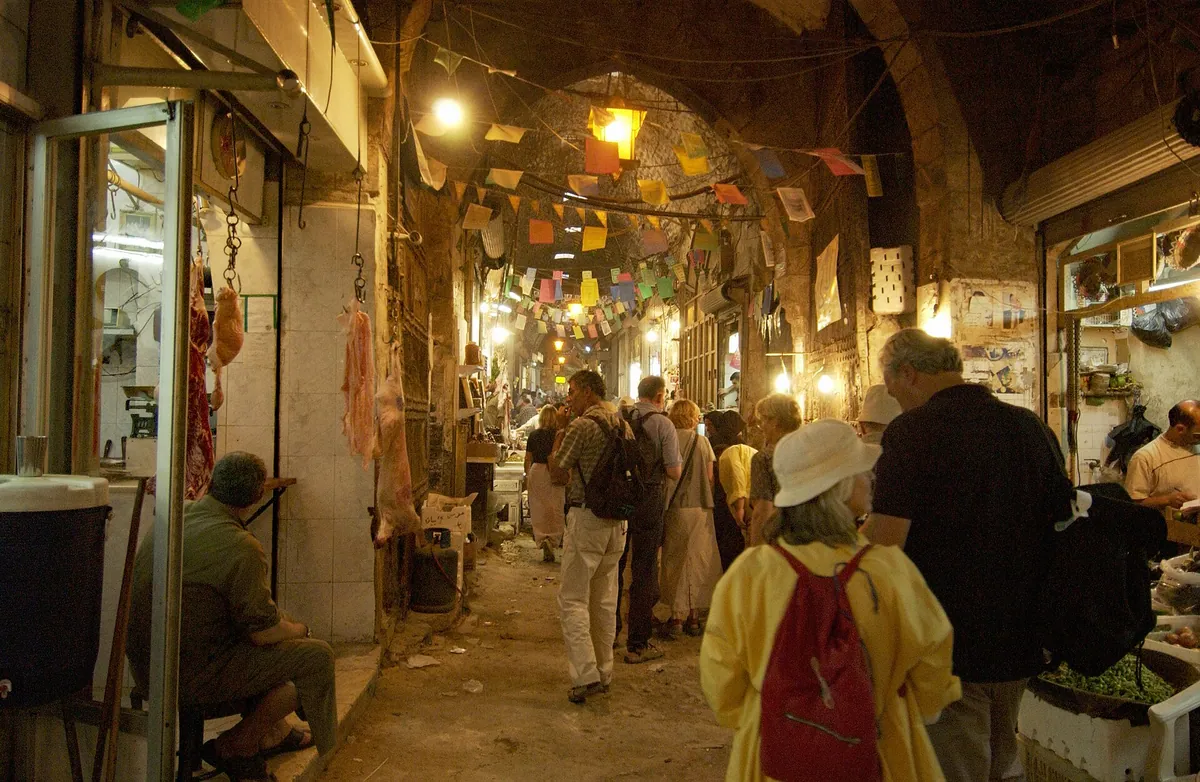
Aleppo, 2005-09-10 – Al-Madina Souq is located in Aleppo, Syria
Trước 2005Sau 2018
Aleppo · Trước: Folkertherlyn · CC BY-SA 4.0 · Wikimedia Commons · Sau: Hussam.shibli · CC BY-SA 4.0 · Wikimedia Commons
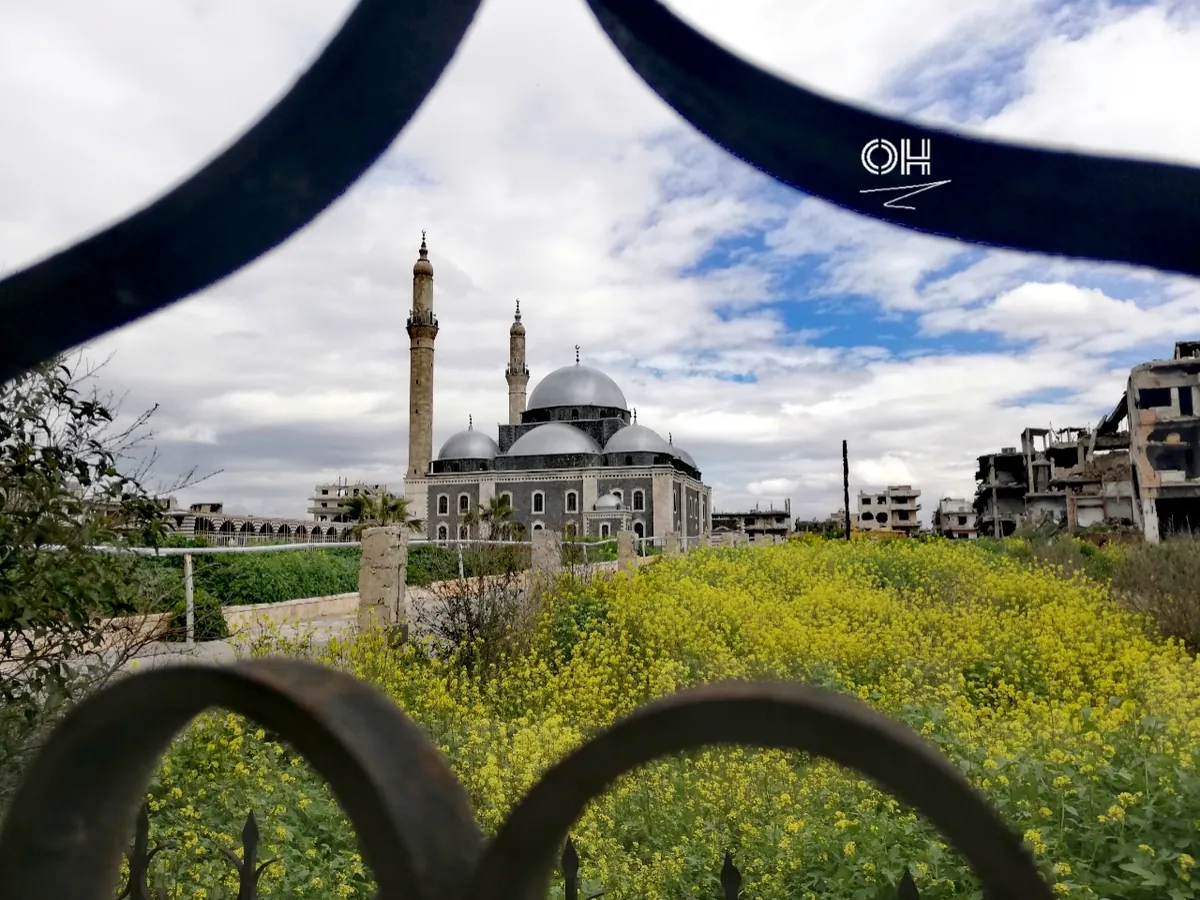
Homs, 2020-11-09 – Khalid ibn al-Walid Mosque | Homs city.
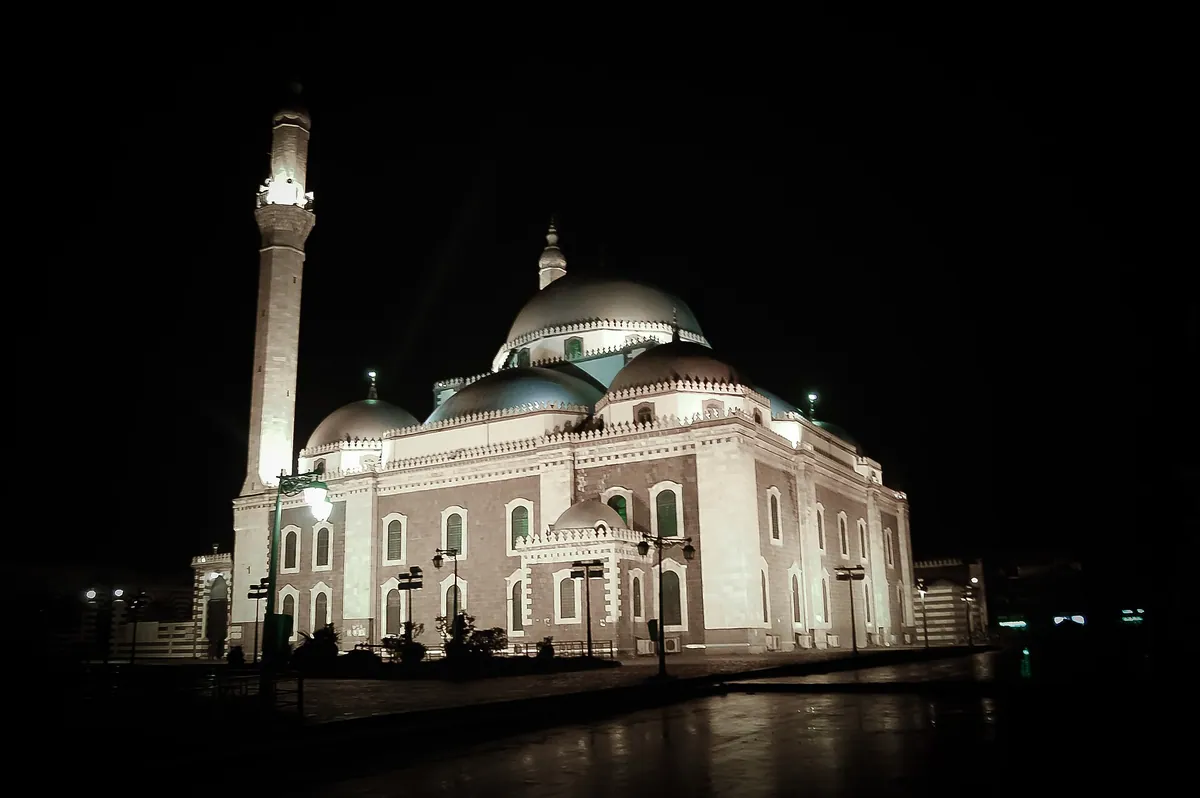
Homs, 2005-12-26 – Khalid ibn al-Walid mosque is located in the Khaldiya district of Homs , the third largest city in Syria . It is situated in a park alongsid
Trước 2005Sau 2020
Homs · Trước: Abdulhadi Najjar · CC BY-SA 3.0 · Wikimedia Commons · Sau: Oday Hassoun · CC BY-SA 4.0 · Wikimedia Commons
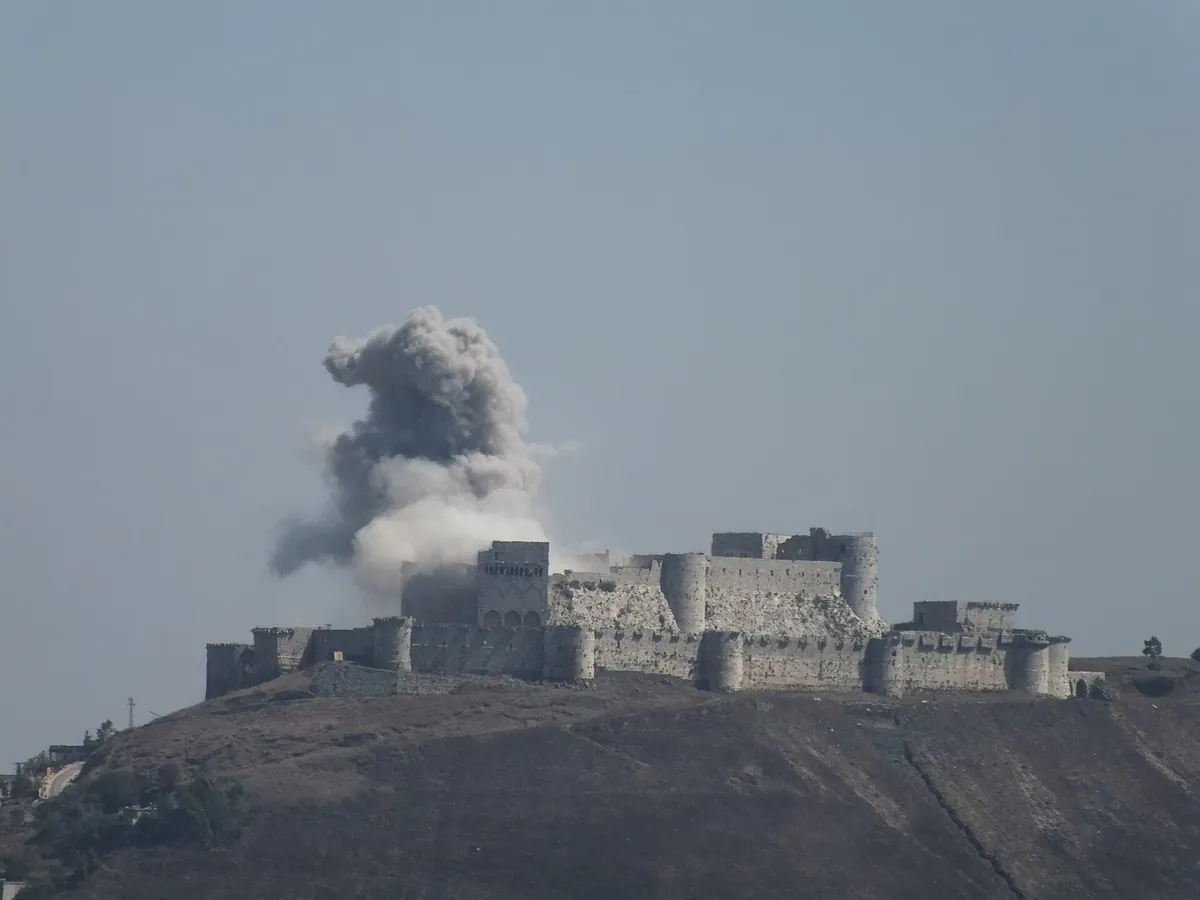
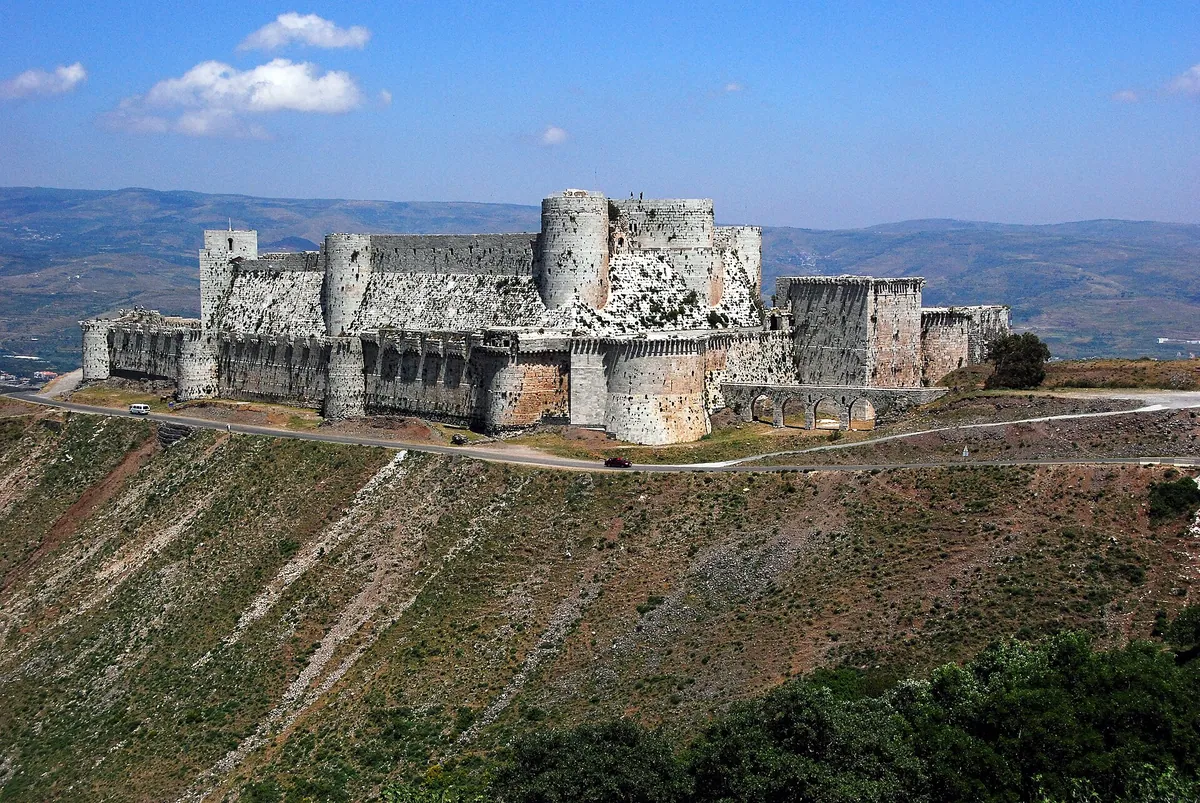
Krak des Chevaliers / al-Husn, 2013-08-18 – Smoke coming out from the castle
Krak des Chevaliers / al-Husn, 2008-05-05 – Krak des Chevaliers is a Crusader castle in Syria and one of the most important preserved medieval castles in the world. The site was first
Trước 2008Sau 2013
Krak des Chevaliers / al-Husn · Trước: James Gordon from Los Angeles, California, USA · CC BY 2.0 · Wikimedia Commons · Sau: Syria963 · CC BY-SA 3.0 · Wikimedia Commons
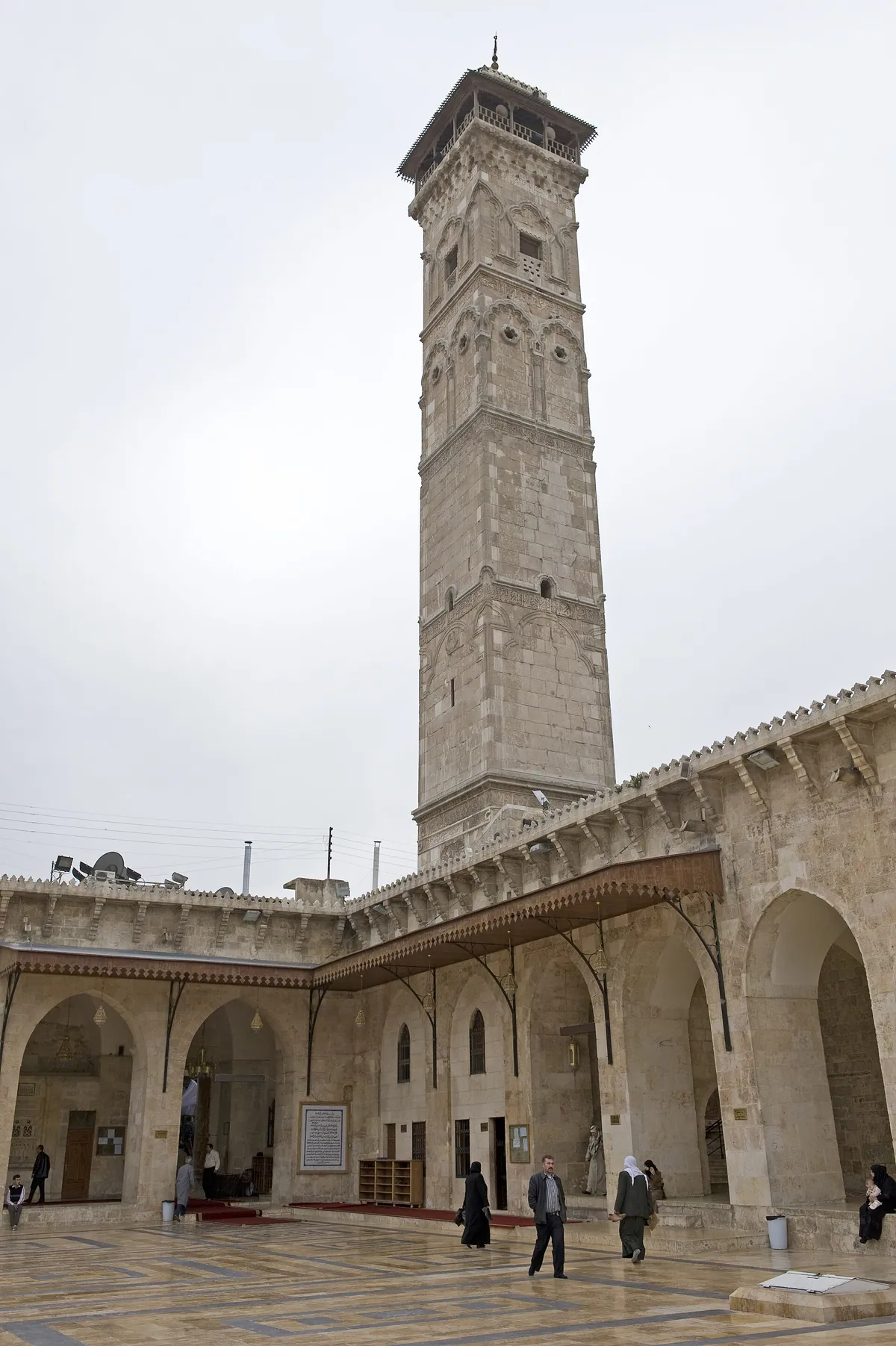
Aleppo, 2016-12-30 – Great Mosque of Aleppo in December 2016
Aleppo, 2009-04-08 – One of pictures of the minaret from several spots, the name indicates roughly from where.
Trước 2009Sau 2016
Aleppo · Trước: Dosseman · CC BY-SA 4.0 · Wikimedia Commons · Sau: Fathi Nezam from Tasnim News Agency · CC BY 4.0 · Wikimedia Commons

Thiệt hại chiến tranh và phục hồi trên bản đồ

Aleppo, old city souks · 44Palmyra (Tadmur) · 44Daraa · 22Houla (Taldou) · 1Yarmouk (Palestinian refugee camp), Damascus · 1Eastern and Western Ghouta (Zamalka, Ein Tarma, Moadamiyah) · 1Homs, Old City · 1Marea · 1Madaya · 1Kafr Zita (Wadi al-Aanz) · 1Ltamenah · 1Khan Shaykhun · 1Raqqa · 1Saraqib (eastern part) · 1Douma · 1Damascus · 1Saydnaya Military Prison and other detention centres · 1
  • Cuộc nổi dậy 2011
  • Chiến tranh và tàn phá
  • Di sản bị hư hại
  • Bao vây, đói khát và giá rét
  • Tấn công hóa học
  • Ly tán và tị nạn
  • 8 tháng 12 năm 2024

Tấn công hóa học

Các vụ việc được ghi nhận cùng kết luận của LHQ và OPCW. Mỗi mục đều nêu cơ quan điều tra và kết luận của cơ quan đó.

  • 222 chemical attacks documented 23 Dec 2012 – 8 Dec 2024; 1,514 killed; 11,080 injured; 217 attributed by SNHR to Assad-government forces, 5 to ISIL (SNHR, 2026-08-21)
  • COI (Sept 2017) held the Syrian government responsible for at least 23 other chemical attacks since March 2013 (Al Jazeera 2017-09-06 reporting COI)

Ghouta, Damascus countryside: Ein Tarma and Zamalka (Eastern Ghouta), Moadamiyah (Western Ghouta)

sarin · surface-to-surface rockets

at least 1,144 killed (1,119 civilians incl. 99 children and 194 women; 25 fighters); about 5,935 injured (SNHR, 2026-08-21)

no casualty total given; mission confirmed use against civilians including children 'on a relatively large scale' (UN Mission (final report A/68/663–S/2013/735))

NguồnKết luậnBên quy trách nhiệm
United Nations Mission to Investigate Allegations of the Use of Chemical Weapons in the Syrian Arab Republic (head: Åke Sellström)A/67/997–S/2013/553 · 2013-09-16Sarin found in impacted surface-to-surface rockets, environmental contamination and positive blood/urine samples; consistent epidemiology from >50 interviews.None – identifying perpetrators was not part of the mission's mandate.
United Nations Mission (as above)A/68/663–S/2013/735 · 2013-12-13Restates the Ghouta conclusion (paras 109–110).None (fact-finding mandate).
UN Independent International Commission of Inquiry on the Syrian Arab Republic (COI)2014-03-05Agents used in Ghouta and Khan al-Assal (19 March 2013) bore the same distinctive markers.No formal attribution; COI said the perpetrators 'likely had access to the chemical weapons stockpile of the Syrian military'.

Bên quy trách nhiệm: No UN or OPCW body has formally attributed this attack (status per sources opened 2026-10-30). The OPCW's attribution team (IIT) has not issued a report on Ghouta.

Other published tallies (e.g. governments, medical NGOs) differ widely; they were not verified in this run and are not reproduced.
Marea

sulfur mustard · artillery shells modified to disperse a liquid payload

11 named individuals with symptoms consistent with sulfur-mustard exposure; no deaths reported (OPCW IIT 4th report)

NguồnKết luậnBên quy trách nhiệm
OPCW Investigation and Identification Team (IIT)S/2255/2024 · 2024-02-22Sulfur mustard used during attacks aimed at capturing Marea.Reasonable grounds to believe that units of ISIL were the perpetrators; ISIL's Delegated Committee likely ordered the attack.

Bên quy trách nhiệm: ISIL (OPCW IIT, 2024).

Umm Hawsh

sulfur mustard · mortar shell (per JIM summary)

two women exposed (15 and 17 September 2016); no death toll given (UN Meetings Coverage SC/13060 (JIM))

NguồnKết luậnBên quy trách nhiệm
OPCW-UN Joint Investigative Mechanism (JIM)S/2017/904 · 2017-10-26Sulfur mustard exposure confirmed.ISIL (Da'esh) held responsible.

Bên quy trách nhiệm: ISIL (OPCW-UN JIM, 2017). No town coordinates: Umm Hawsh not present in the OSM snapshot.

Kafr Zita (cave system in Wadi al-Aanz valley)

chlorine · yellow pressurised cylinder

35 named individuals injured, dozens more affected (OPCW IIT 5th report)

NguồnKết luậnBên quy trách nhiệm
OPCW Investigation and Identification Team (IIT)S/2478/2026 · 2026-01-22Chlorine released when the cylinder ruptured.Reasonable grounds to believe that the Syrian Arab Air Forces were the perpetrators.

Bên quy trách nhiệm: Syrian Arab Air Forces (OPCW IIT, 2026). SNHR stresses this is not a judicial ruling.

Ltamenah

sarin · M4000 aerial bomb dropped by an Su-22 aircraft (departed Shayrat airbase)

at least 16 affected (OPCW IIT Coordinator's remarks, 2020-04-08)

NguồnKết luậnBên quy trách nhiệm
OPCW Investigation and Identification Team (IIT)S/1867/2020 · 2020-04-08Use of sarin as a chemical weapon.Reasonable grounds to believe: 50th Brigade of the 22nd Air Division, Syrian Arab Air Force.

Bên quy trách nhiệm: 50th Brigade of the 22nd Air Division, Syrian Arab Air Force (OPCW IIT, 2020).

Ltamenah (hospital)

chlorine · cylinder dropped by a helicopter onto the Ltamenah hospital (departed Hama airbase)

at least 30 affected (OPCW IIT Coordinator's remarks, 2020-04-08)

NguồnKết luậnBên quy trách nhiệm
OPCW Investigation and Identification Team (IIT)S/1867/2020 · 2020-04-08Use of chlorine as a chemical weapon.Reasonable grounds to believe: Syrian Arab Air Force.

Bên quy trách nhiệm: Syrian Arab Air Force (OPCW IIT, 2020).

Ltamenah

sarin · M4000 aerial bomb dropped by an Su-22 aircraft (departed Shayrat airbase)

at least 60 affected (OPCW IIT Coordinator's remarks, 2020-04-08)

NguồnKết luậnBên quy trách nhiệm
OPCW Investigation and Identification Team (IIT)S/1867/2020 · 2020-04-08Use of sarin as a chemical weapon.Reasonable grounds to believe: 50th Brigade of the 22nd Air Division, Syrian Arab Air Force.

Bên quy trách nhiệm: 50th Brigade of the 22nd Air Division, Syrian Arab Air Force (OPCW IIT, 2020).

Khan Shaykhun

sarin · aerial bomb (COI: dropped by an Su-22, an aircraft only the Syrian air force operates)

at least 83 killed (about one third children), nearly 300 wounded (UN COI, 2017-09-06 (via Al Jazeera))

around 100 killed, about 200 affected (OPCW-UN JIM (UN Meetings Coverage SC/13060))

at least 87 killed (other sources) (Al Jazeera 2017-09-06, unnamed 'other sources')

NguồnKết luậnBên quy trách nhiệm
OPCW Fact-Finding Mission in Syria (FFM)S/1510/2017 · 2017-06-30People were exposed to sarin.None – FFM mandate excludes attribution.
UN Independent International Commission of Inquiry on the Syrian Arab Republic (COI)2017-09-06Reasonable grounds to believe Syrian forces dropped an aerial bomb dispersing sarin; no evidence for the claim that an opposition depot was hit.Syrian forces.
OPCW-UN Joint Investigative Mechanism (JIM)S/2017/904 · 2017-10-26Sarin from a precursor very likely from Syria's original stockpile; crater most likely from an aerial bomb; no evidence of staging.The Syrian Arab Republic (no individual actors identified).

Bên quy trách nhiệm: Syrian Arab Republic (JIM 2017); Syrian forces (COI 2017). Syria denied responsibility.

Saraqib (eastern part)

chlorine · at least one cylinder dropped by a military helicopter

12 named individuals affected (OPCW IIT 2nd report)

NguồnKết luậnBên quy trách nhiệm
OPCW Investigation and Identification Team (IIT)S/1943/2021 · 2021-04-12Chlorine released from a ruptured cylinder.Reasonable grounds to believe: a helicopter of the Syrian Arab Air Force under the control of the Tiger Forces.

Bên quy trách nhiệm: Syrian Arab Air Force / Tiger Forces (OPCW IIT, 2021).

Douma

chlorine · two yellow cylinders

43 named individuals killed, dozens more affected (OPCW IIT 3rd report)

more than 40 killed (medical workers at the time) (AP, 2019-03-01)

NguồnKết luậnBên quy trách nhiệm
OPCW Fact-Finding Mission in Syria (FFM)S/1731/2019 · 2019-03-01Reasonable grounds that a toxic chemical containing reactive chlorine (likely molecular chlorine) was used as a weapon.None – FFM mandate excludes attribution.
OPCW Investigation and Identification Team (IIT)S/2125/2023 · 2023-01-27Toxic chlorine released from two cylinders.Reasonable grounds to believe that the Syrian Arab Air Forces were the perpetrators; at least one helicopter of the Tiger Forces Elite Unit dropped the cylinders.

Bên quy trách nhiệm: Syrian Arab Air Forces / Tiger Forces (OPCW IIT, 2023). Syria and Russia rejected responsibility.

Giam giữ và người mất tích

Phần này mô tả tra tấn và các ca tử vong trong trại giam. Không có hình ảnh gây sốc. Tiếp tục?

Những câu chuyện từ Syria

Các bài viết đã công bố, trong đó người sống sót và thân nhân lên tiếng, kèm liên kết đến bản gốc. Câu chuyện cá nhân chỉ được bổ sung sau khi xác minh và có sự đồng ý.

Phục hồi là một quá trình đang tiếp diễn; với nhiều người Syria, nỗi đau vẫn chưa kết thúc.

Ý kiến của bạn rất quan trọng

Góp ý, khiếu nại & phản hồi

Bạn có ý tưởng, khiếu nại hoặc phát hiện lỗi? Hãy viết cho chúng tôi – tin nhắn của bạn sẽ đến thẳng người điều hành trang web này.

Nội dung về điều gì?